Parque de la Biodiversidad
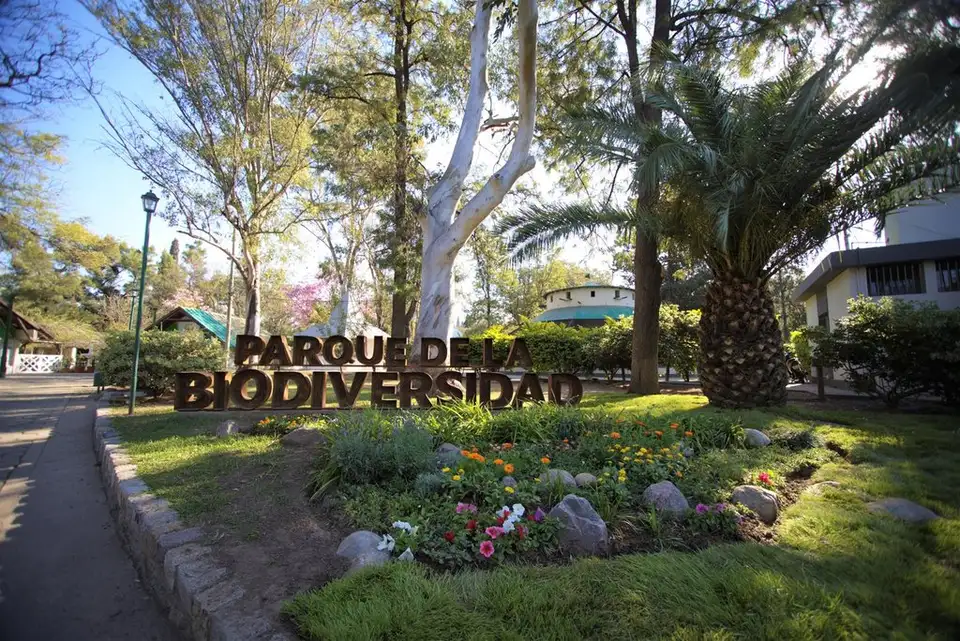
Located within Parque Sarmiento, the Parque de la Biodiversidad represents a profound transformation in the management of public space in Córdoba. What historically operated as a traditional zoo — built on a model of spectacle and species exhibition — has given way to a 17-hectare site dedicated exclusively to the protection, rescue, and rehabilitation of fauna and flora. This paradigm shift positions the park not as a place of visual entertainment, but as a center for environmental education and active conservation within the urban landscape of the provincial capital.
A journey through local ecosystems
The park’s current layout is organized around zones that replicate different geographic environments, allowing for a respectful approach to nature. In its current phase, the site includes open sectors representing the regions of Ansenuza, the Yungas, and North America. The design of these spaces seeks to encourage non-invasive contemplation; here, interaction with animals moves away from the concept of exhibition and toward observation from a distance and respect for their well-being. As refunctionalization work progresses, the opening of new areas dedicated to regions such as the Chaco and Patagonia is expected, completing a more extensive biodiversity map.
The trail routes are designed to integrate technology with nature. The park uses specific signage and technological features that serve as educational tools, giving visitors access to detailed information about the species inhabiting the site and the recovery processes underway. This mode of visit — which can be taken freely or through guided tours — turns a walk through the park into a learning experience about the importance of conservation and the care of the local ecosystem.
Commitment to wildlife and the urban environment
The operational core of the Parque de la Biodiversidad is its rescue and reintegration work. The space functions as a refuge where animals requiring special care are rehabilitated before returning to their natural habitat. This mission goes beyond mere preservation; the park acts as an essential green lung for Córdoba, integrating into the Corredor Ambiental and contributing value to the Parque Sarmiento ecosystem. By removing traditional exhibition barriers, the site reclaims its character as a public space devoted to environmental education, where the priority is the protection of wildlife and raising citizens’ awareness of the biodiversity crisis.