Centro Cultural España Córdoba
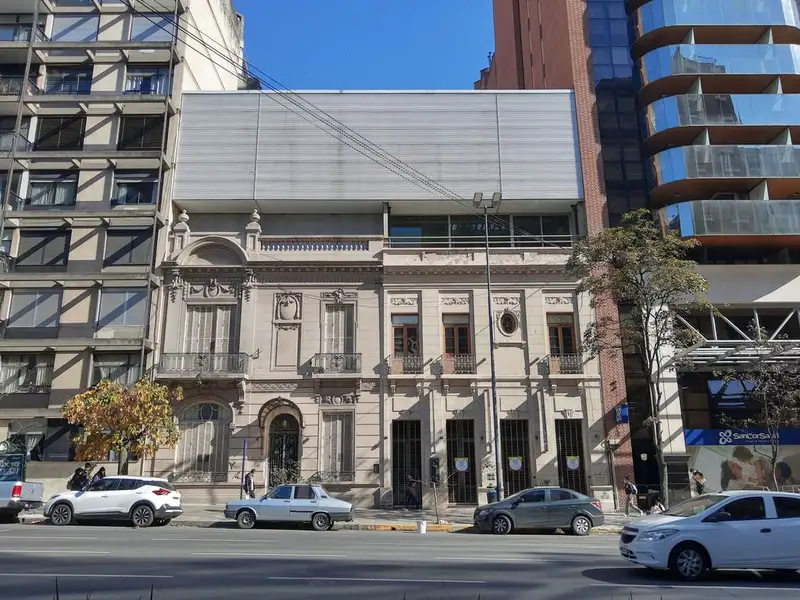
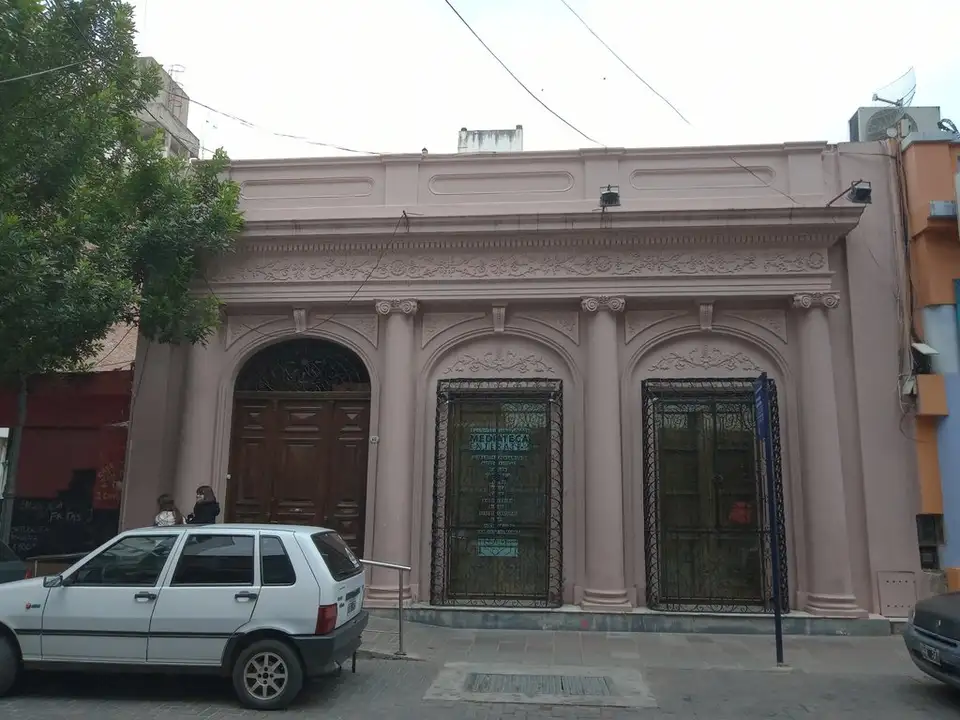
Located in a strategic part of the city, the Centro Cultural España Córdoba functions as a meeting point where diverse artistic disciplines converge. This institution, operating under a mixed management model, was established at its founding in 1998 through cooperation between the Agencia Española de Cooperación Internacional para el Desarrollo and the Municipalidad de Córdoba. Beyond being an exhibition space, it constitutes a central node for cultural production, acting as a bridge between local artists and Ibero-American aesthetic currents.
A space for convergence and creation
The center’s identity is defined by its capacity to integrate processes of thought and experimentation. It is not limited to displaying finished works, but positions itself as a platform where practitioners from different fields can cross-pollinate projects and explore new forms of expression. The institutional approach seeks to stimulate diverse sensibilities and foster coexistence within diversity, offering an environment for the development of dissenting ideas. In this sense, the space functions as a laboratory of ideas that connects young people and adolescents with the dynamics of living culture.
Diversity of languages and expressions
Activity within the center spans a wide range of formats that allow exploration of different facets of contemporary culture. Programming covers everything from visual arts and film to music, radio, and literature. Through its various platforms, activities range from exhibitions and academic forums to workshops and sound and audiovisual experimentation labs. This multiplicity of disciplines makes the space a point of reference on Córdoba’s cultural calendar, incorporating modern formats such as podcasts and new digital narratives into its content offering.
Integration with Córdoba’s cultural fabric
The center is embedded in Córdoba’s urban environment as a driver of cultural dynamism that extends beyond the purely institutional. By promoting collaborative creation and the circulation of works, it strengthens the local circuit of public and private institutions. Its role is fundamental in giving visibility to new expressions and in maintaining constant alignment with local aesthetics, allowing the region’s cultural processes to connect with a broader international context without losing their territorial roots.