Anthropology Museum of the Universidad Nacional de Córdoba
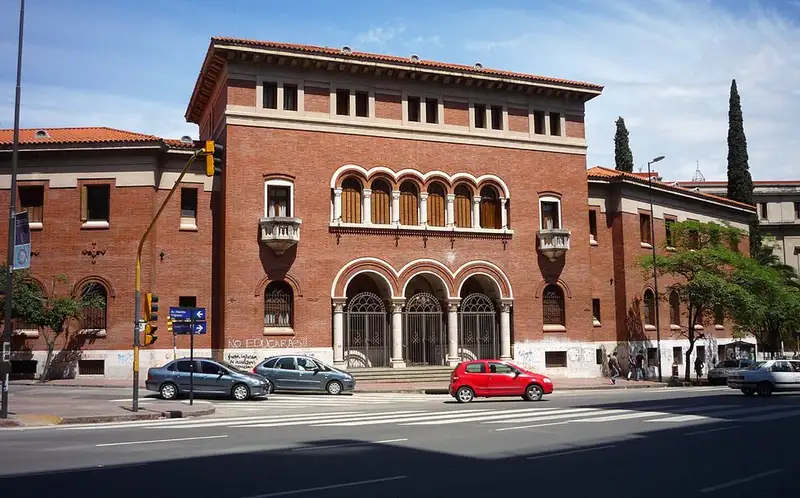
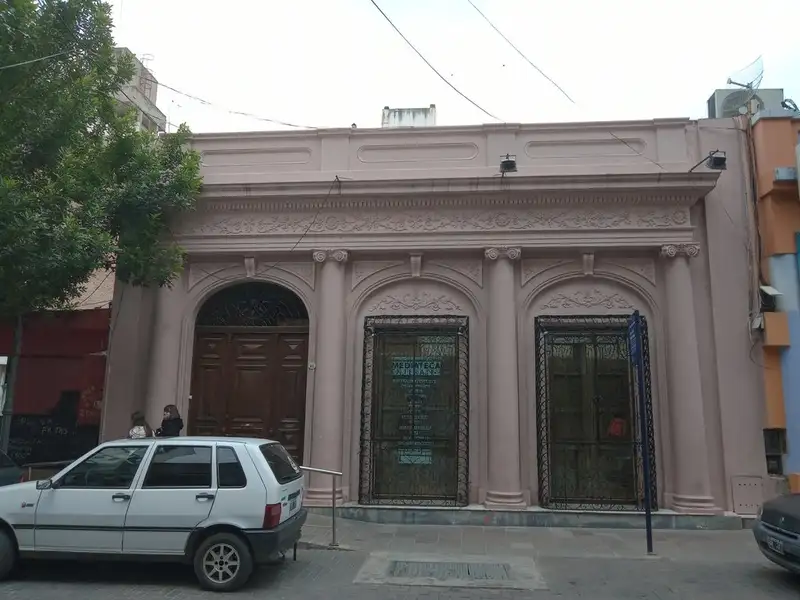
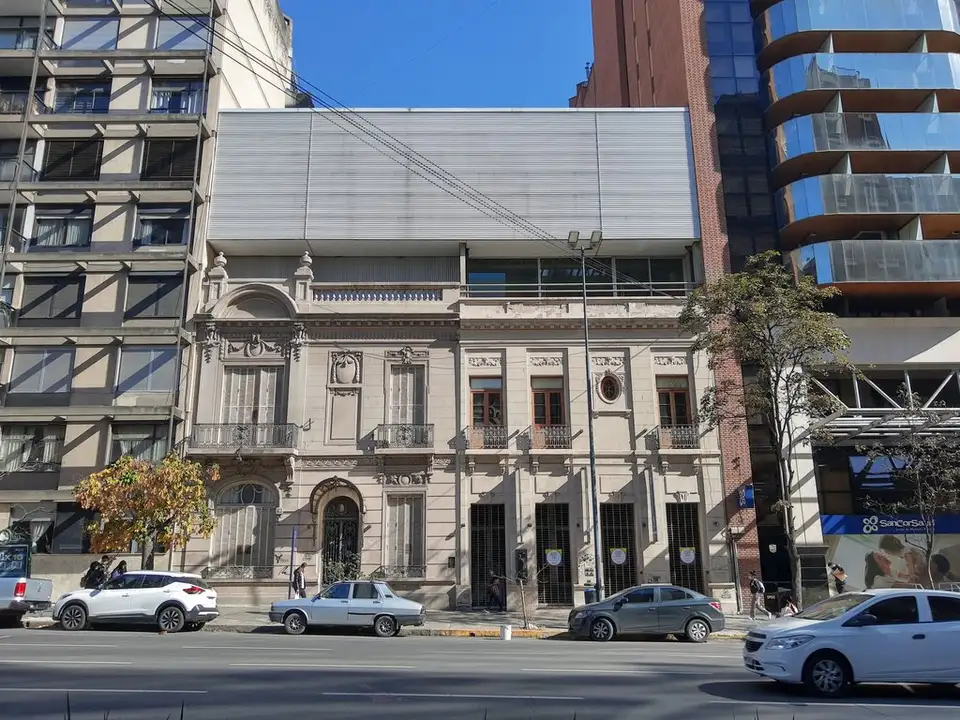
The Anthropology Museum is a fundamental point of reference in the city of Córdoba for understanding the cultural roots of the territory. Located in an early twentieth-century house of significant heritage value, this space functions as a link between the academic research of the Universidad Nacional de Córdoba and the recognition of indigenous communities. Its importance lies not only in the custody of archaeological and documentary materials, but in its role as a platform for dialogue and identity for the peoples who inhabited and continue to inhabit various regions of the country.
A journey through material heritage
The visit is organized across eight permanent exhibition rooms spread over two floors. The route follows a chronological and thematic logic, beginning on the ground floor where visitors can appreciate the architectural history of the house itself that holds the collection. As one moves through the space, the museum presents ethnographic pieces that allow for a reconstruction of the worldview and daily life dynamics of different human groups.
Within the rooms, sections dedicated to Andean Archaeology and Highland Archaeology stand out. These areas offer a detailed look at the cultural development of various communities, allowing visitors to observe types of dwellings and objects that reflect adaptation to the geographic environment. The exhibition is not limited to static displays; it includes spaces such as the ‘Excavation’ room, which shows the technical and scientific work carried out by archaeologists to recover the material memory of the past.
Identity and contemporary culture
Beyond the historical dimension, the museum incorporates the present reality of communities. The ‘Messages of Identity’ room is dedicated to showing the continued vitality of the indigenous peoples of Córdoba, connecting findings from the past with contemporary cultural expressions. This approach prevents the heritage from being seen solely as something inert or vanished, placing it within a context of social and political continuity.
The character of the museum is complemented by a programme of temporary exhibitions and outreach activities. Through photographic exhibitions and displays on Andean rituals and identities, the space seeks to extend its reach beyond its permanent collections. This dynamism allows the institution to function as a living centre of learning, where scientific research is translated into content accessible to the educational community and the general public.