Basilica De La Merced
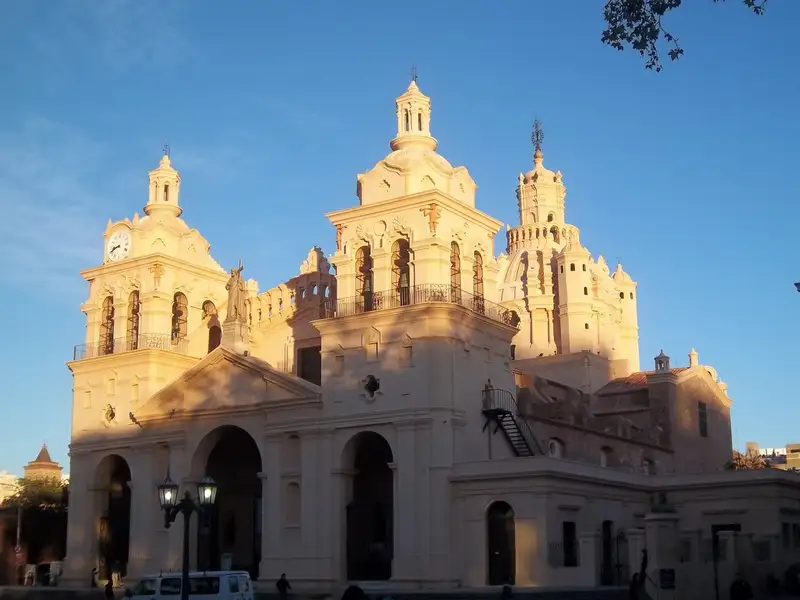
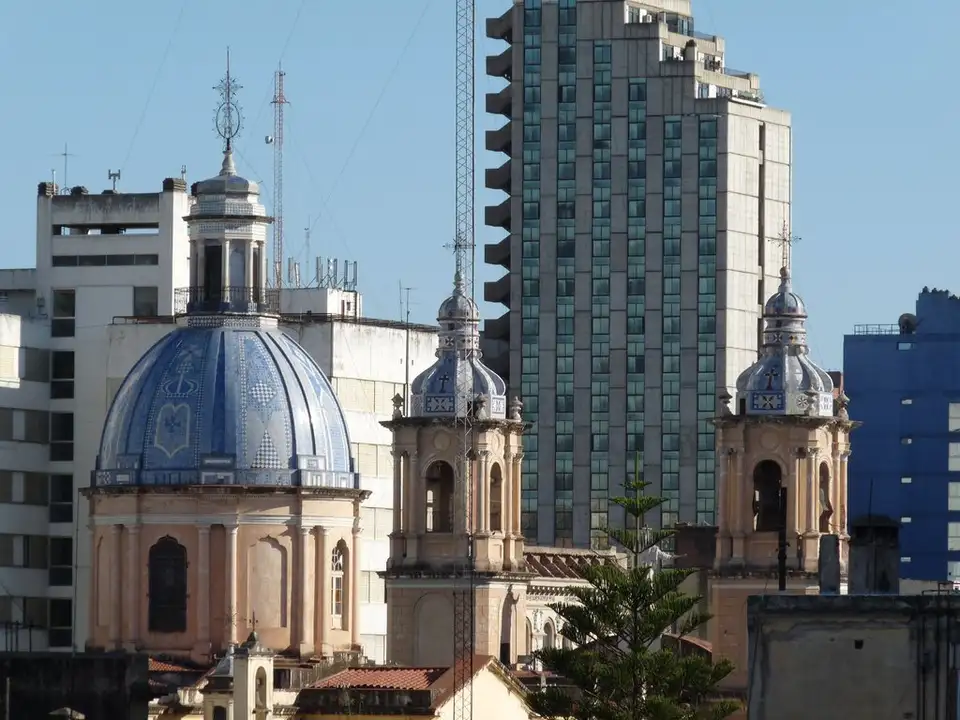
Located at a key intersection in the historic center of Córdoba Capital, the Basilica of Our Lady of Mercy stands as one of the points of greatest symbolic weight for local identity. Situated on calle 25 de Mayo, at the corner with Rivadavia, this building is not only a Catholic place of worship under the jurisdiction of the Archdiocese of Córdoba, but a material witness to the urban and spiritual development of the city. Its presence marks the pulse of an area where religious memory intertwines with the everyday movement of the city center.
Heritage and religious architecture
The significance of this temple lies in its direct connection to the Order of Mercy, whose influence has shaped much of the religious tradition of the region. As a place of worship within the Archdiocese of Córdoba, the building functions as a node where colonial history and subsequent architectural transformations converge. The structure integrates into the fabric of the city not only through its strategic location, but through the scale of its presence in the urban landscape, offering a counterpoint of solemnity to the commercial dynamism of its surroundings.
A visit to this space allows one to observe the sobriety and devotion that characterize the temples of the Mercedarian order. The visit unfolds in an atmosphere of quiet contemplation, where the details of its construction reflect the importance the institution has held in the social and religious organization of Córdoba since its origins. The interior of the temple invites a measured observation of its liturgical elements and the arrangement of its sacred space, designed to host the ceremonies that have defined the cultural calendar of the area.
Context within the historic quarter
The Basilica connects organically with other landmarks of Córdoba’s heritage. Its proximity to areas of great historical relevance allows it to form part of an itinerary that traces the foundations of the city, integrating into the flow of those who walk the oldest streets of the center. Situated in an area of high pedestrian and commercial density, the Basilica acts as an anchor of permanence and memory within an environment that is in constant change.
This temple does not function in isolation; it is part of a cultural ecosystem where architectural heritage engages in dialogue with urban life. Its location facilitates a natural transition between routes through the old quarter and areas of greater modern activity, establishing itself as an unavoidable point of reference for understanding the historical configuration of Córdoba Capital.