Iglesia y Convento Santa Catalina de Siena
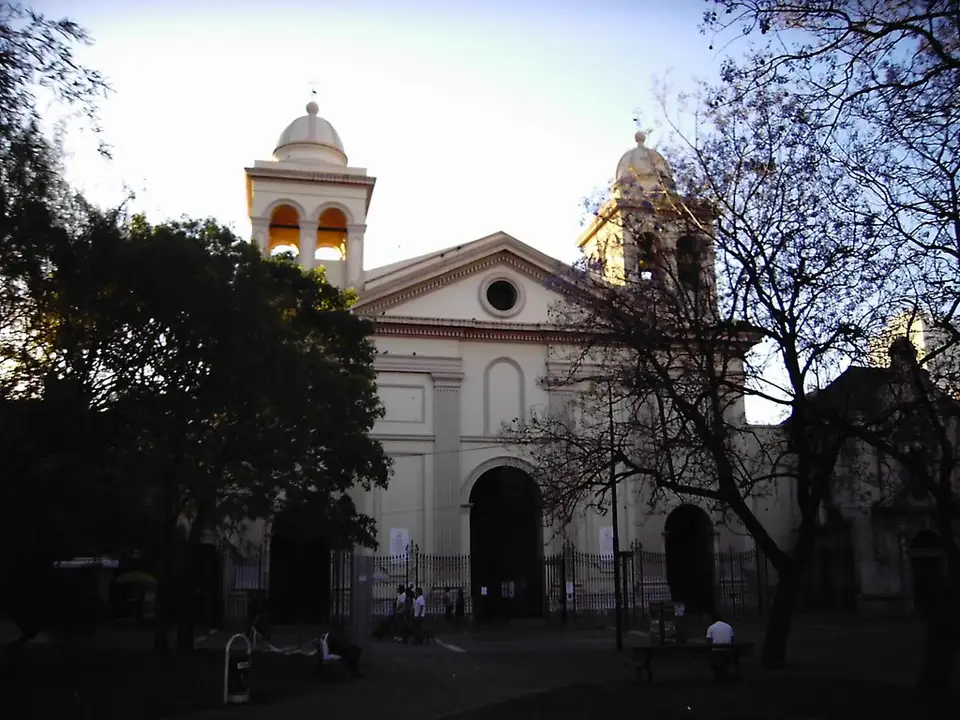
The Iglesia y Convento Santa Catalina de Siena is one of the most significant centers of religious memory in the city of Córdoba. This eighteenth-century architectural complex is not only a place of worship but a preserved fragment of the social and ecclesiastical organization of the colonial period. Its importance lies in its capacity to reflect the influence of religious orders on the urban development of the region, serving as a reference point where baroque architecture meets the history of the expansion of faith across Argentine territory.
Architecture and Colonial Legacy
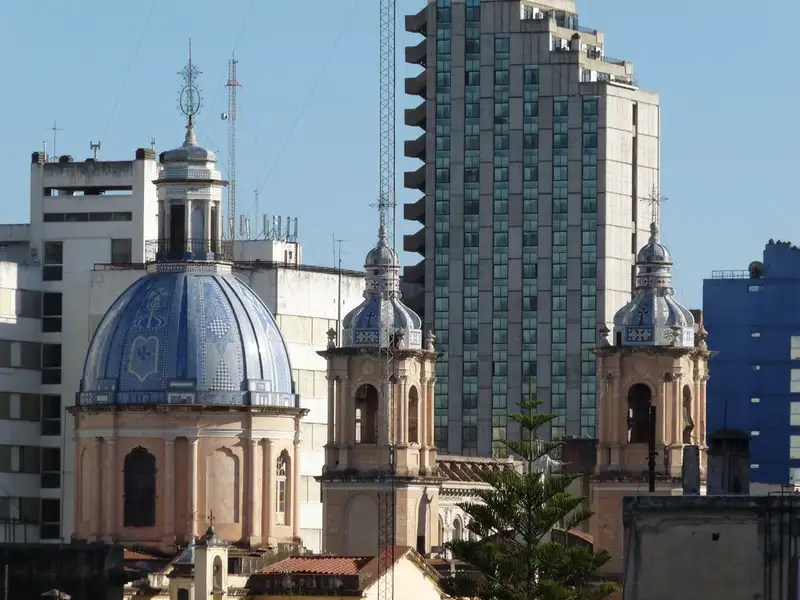
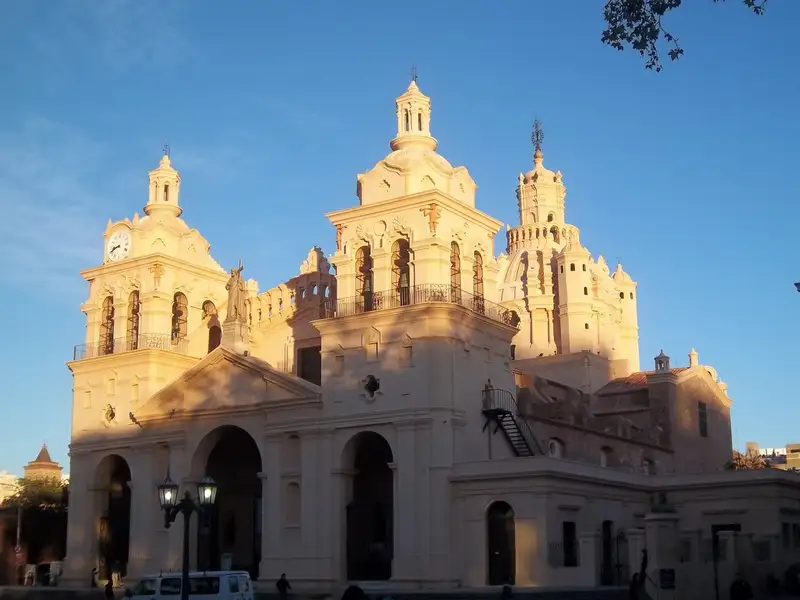
The complex is notable for its pronounced baroque influences, expressed in a structure that was imposing for its time. The church features an ornate interior, where the altars and intricate works of art offer a visual testament to the religious significance the site maintained throughout the colonial period. These decorative elements are not mere adornments; they function as vehicles of cultural and spiritual expression, allowing visitors to understand the aesthetics and devotion of eighteenth-century Córdoba society.
The construction belongs to a context in which religious orders played a fundamental role in shaping Spanish colonial cities. The convent, designed for contemplative life, makes it possible to appreciate how religious architecture sought to create spaces of withdrawal and distinction within the urban fabric of Córdoba.
Spaces of Withdrawal and Memory
Moving through the complex invites direct contact with the atmosphere of monastic life. The convent is recognized for offering an environment of tranquility, where the courtyards and common areas allow an approach to the scale of the former enclosure. These spaces, designed for introspection, retain a serenity that contrasts with the dynamism of the modern city, allowing the visitor to understand the spatial logic within which the lives of its former residents unfolded.
The connection between the church and its immediate surroundings is key to understanding its heritage value. Positioned at a strategic point in the capital of Córdoba, the monument acts as a bridge between the colonial past and the present, integrating the history of religious heritage with the cultural identity of the region. The presence of this site makes it possible to observe how architectural landmarks of the period continue to form an essential part of Córdoba’s historic landscape.