Avenida de Mayo
Avenida de Mayo functions as the backbone of the Monserrat neighborhood and one of the most significant axes of the entire City of Buenos Aires. This main artery crosses the historic heart of the capital, extending from Plaza de Mayo to the Congreso Nacional. Its importance lies in the fact that it is not merely a transit route, but a corridor that concentrates much of the city’s architectural heritage and political memory, connecting the most emblematic centers of power with the areas of greatest commercial and cultural activity in the microcentro.
Architecture and urban heritage
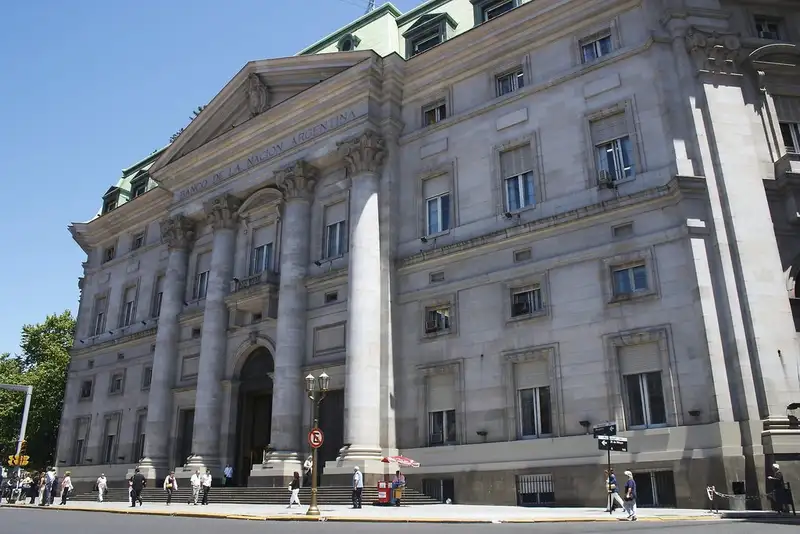
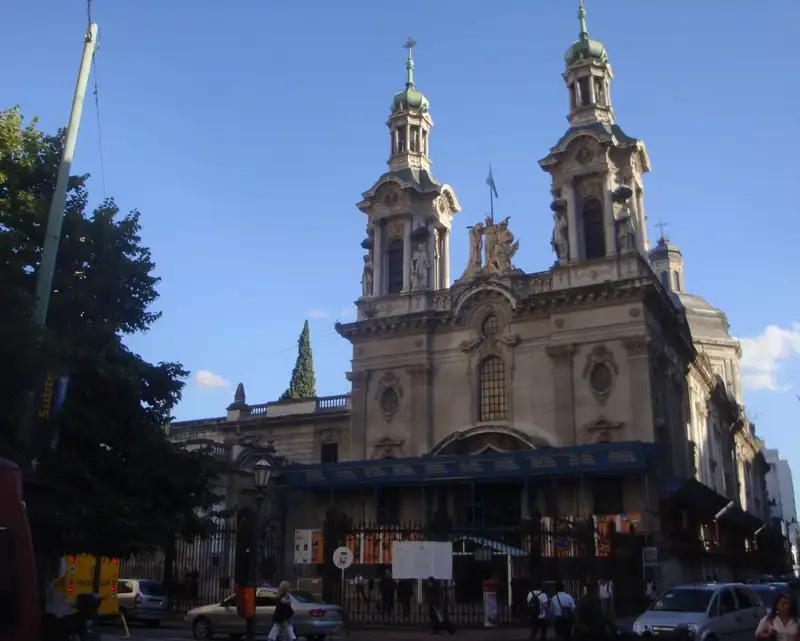
The avenue’s layout is defined by a succession of buildings that reflect different periods of Buenos Aires history. Along its route, architectural works can be observed that lend the streetscape a monumental character. Among the most notable landmarks is the Palacio Barolo, whose imposing presence and intricate design mark an unavoidable visual reference point; from its lighthouse, the structure offers an elevated perspective over the urban fabric. The surroundings are also composed of public buildings and monuments that form part of Monserrat’s identity, situated close to other key points such as the Cabildo, the Catedral Metropolitana, and the Casa Rosada.
The avenue acts as a link between the various points of interest in the Buenos Aires city center. Walking along it, one perceives a fluid transition toward areas such as the Microcentro or the illuminated block, allowing a stroll along its sidewalks to become part of a broader exploration of the historic district. The scale of its buildings and the breadth of its urban design make it possible to understand how Buenos Aires structured its growth during its periods of greatest institutional expansion.
Culture and urban life
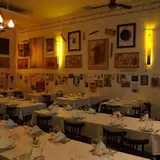
Beyond its monumental value, Avenida de Mayo retains an atmosphere that combines commercial activity with the tradition of gathering spaces. The presence of historic cafés is one of the most distinctive features of this route; establishments such as Café Tortoni have served for decades as social and cultural meeting points, keeping alive the Buenos Aires café tradition in a setting steeped in history. These places are not merely businesses, but an integral part of the social fabric that defines the neighborhood.
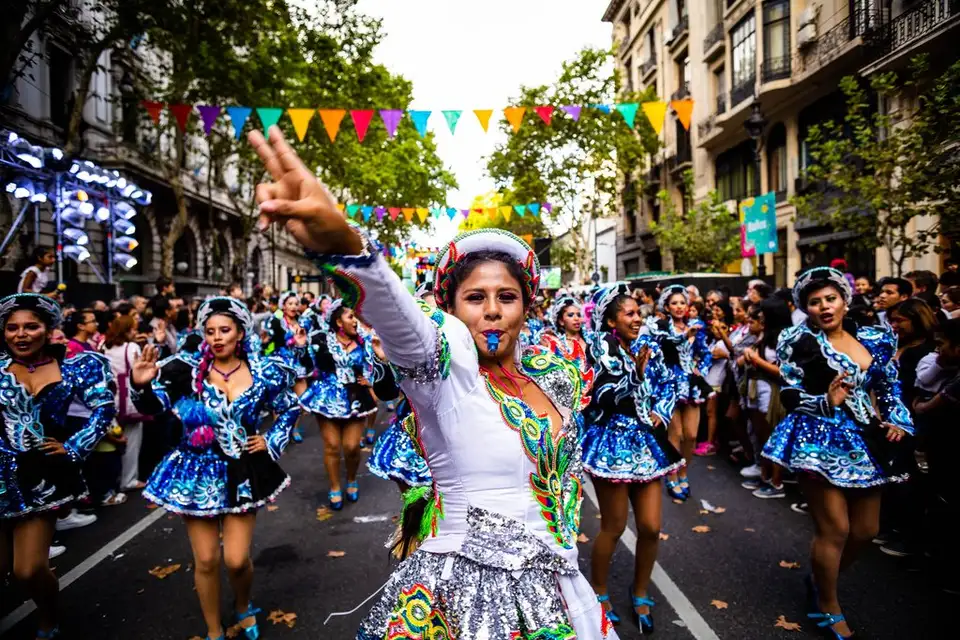
Walking the avenue invites detailed observation of its facades and the life that unfolds in its surroundings, connecting with the vitality of neighboring areas such as San Telmo or the modernity of Puerto Madero. It is a space where heritage is lived day to day, integrating historic monuments with the current dynamics of a metropolis that continues to use this axis as its main connection between its founding past and its institutional present.