Buenos Aires Museo / Museo de la Ciudad
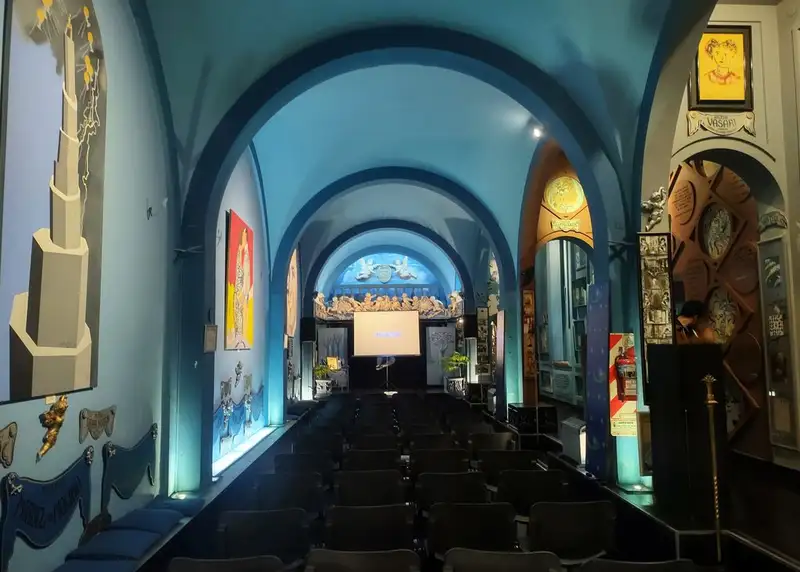
Located in the emblematic neighborhood of Monserrat, the Buenos Aires Museo / Museo de la Ciudad functions as a link between the milestones that shaped porteño identity and the city’s future projections. Situated in the heart of the historic district, the museum integrates into the urban fabric of an area where colonial and republican architecture still defines the landscape, making it possible to understand the evolution of Buenos Aires from its origins to its consolidation as a global capital.
Memory and urban heritage
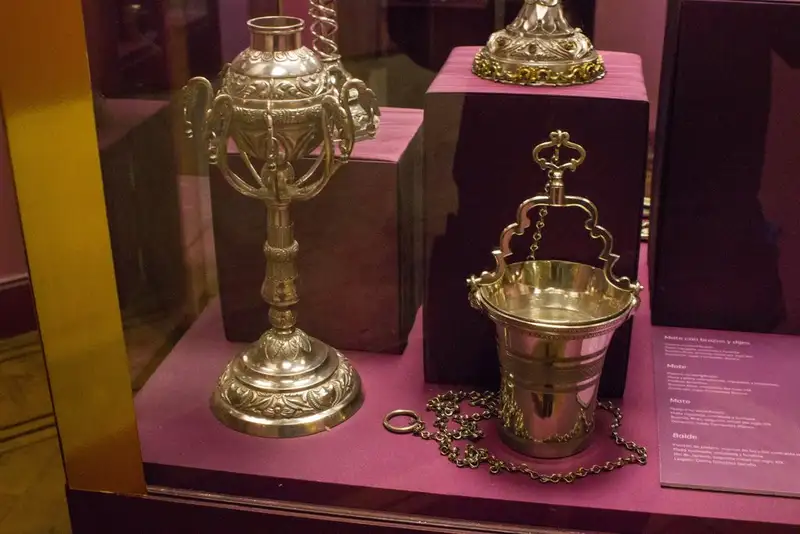
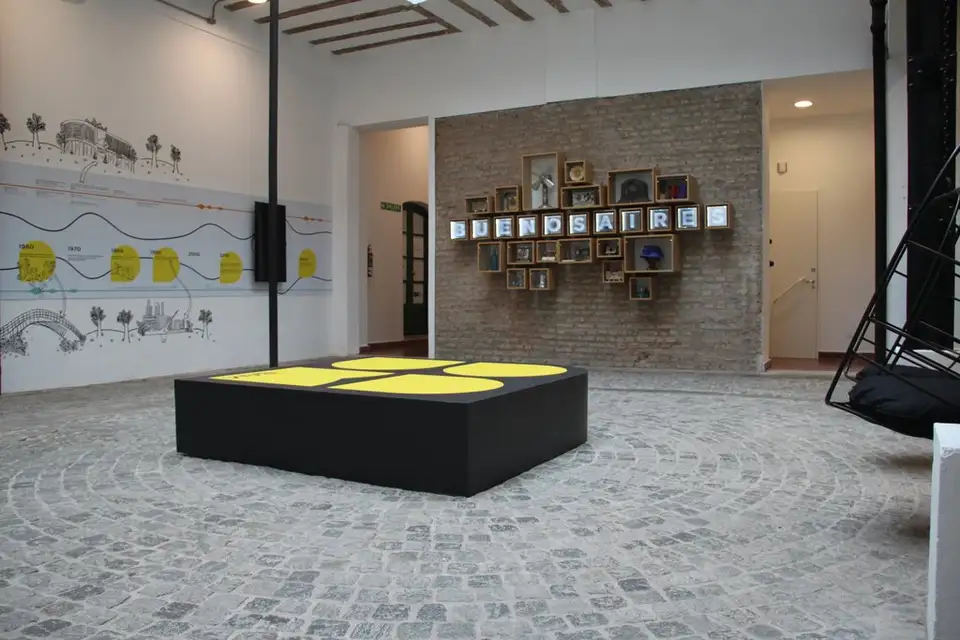
The museum’s route offers an approach to the elements that constitute the city’s DNA. Through its permanent exhibitions, historical and cultural landmarks are recovered — those that transformed Buenos Aires into a city of great scale and avant-garde character. The interactive displays in the galleries allow visitors to observe how local identity has been built upon layers of social, economic, and architectural change.
A significant component of its offering is the revalorization of public spaces that have shaped the daily life of residents. For instance, the museum addresses the history of the Parque de la Ciudad, analyzing the repurposing of this urban area designed for leisure and enjoyment. This approach ensures that a visit is not merely an observation of objects, but an exercise in understanding how shared city spaces are managed and inhabited.
The museum as a meeting place
Beyond its static collections, the museum operates as a dynamic center connected to street life. Its presence in buildings such as the Altos de Elorriaga and the Sala Querubines allows for a flow that links heritage with the surrounding plazas, such as the Plaza Héroes de Malvinas. This relationship with the immediate surroundings is central to understanding its role as a museum in motion.
The institution is often part of large-scale cultural circuits, where programming expands into activities that combine the artistic and the communal. The inclusion of workshops, temporary exhibitions, and proposals using techniques such as printmaking or the promotion of literature reinforces its character as a bridge between past and present. The museum not only safeguards history, but actively participates in the creation of new urban narratives through engagement with residents of the historic district.