Casa Fernández Blanco
Located in the heart of Monserrat, on Avenida Hipólito Yrigoyen, Casa Fernández Blanco stands as a physical record of the urban transformation Buenos Aires underwent in the late nineteenth century. What today serves as a branch of the Museo de Arte Hispanoamericano Isaac Fernández Blanco is a structure that managed to integrate the memory of a colonial townhouse with the cosmopolitan aspirations of the porteño Belle Époque. Its presence in the southern neighbourhood contrasts with modern commercial development, preserving a residential and stately scale that has largely disappeared from the city centre.
Architecture and the evolution of the structure
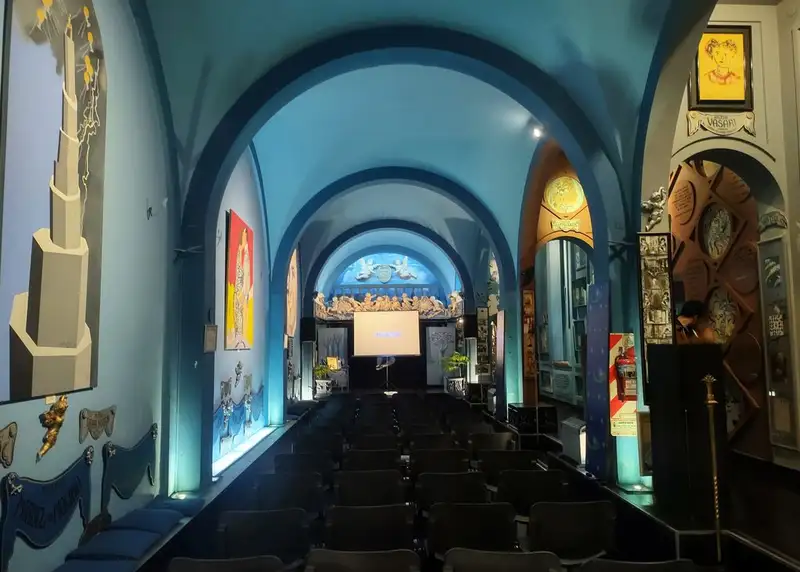
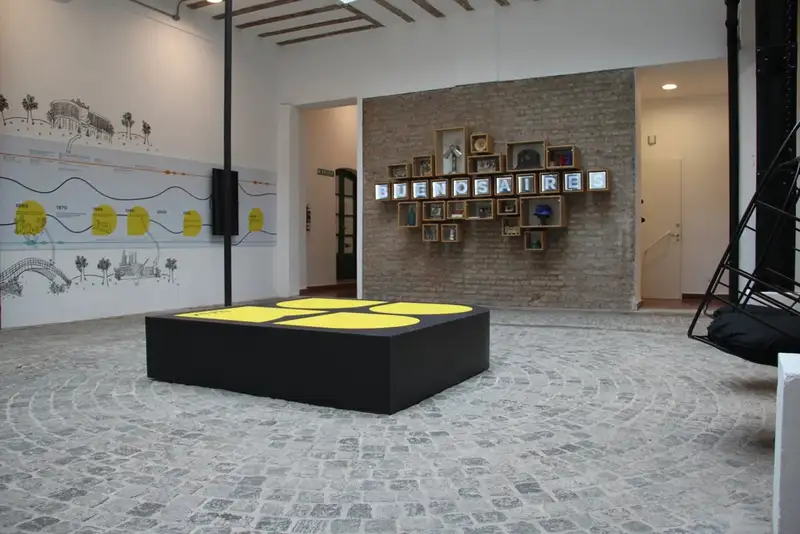
The current building is the result of a process of architectural metamorphosis. Originally the property functioned as a colonial-plan townhouse organised around a succession of courtyards: a first patio surrounded by principal rooms, followed by a second open space and, finally, a third sector given over to service areas and stables. From that earlier phase, structural elements can still be identified — painted walls, brick ceilings, and quebracho beams — along with remnants of the sanitary system that predated the yellow fever epidemic of 1871.
From 1901 onwards, following Isaac Fernández Blanco’s return from Paris, the property underwent a thorough remodelling to bring it in line with the new palatial residences then rising in the area. The intervention is attributed to architect Alejandro Christophersen, who gave the house an eclectic vocabulary with modernist touches. This renovation transformed the old residence into a Neo-Renaissance palace, allowing the architecture to reflect the status of an era in which Avenida de Mayo was consolidating its role as the cultural and social epicentre of the city.
The legacy of private collecting
Beyond its architectural value, the importance of this space lies in its origins as Argentina’s first private museum. Isaac Fernández Blanco’s vocation as a collector first took shape through antique musical instruments acquired during his stays in Europe. Over time the house began to hold a far broader collection, including objects recovered on journeys through northern Argentina and Bolivia.
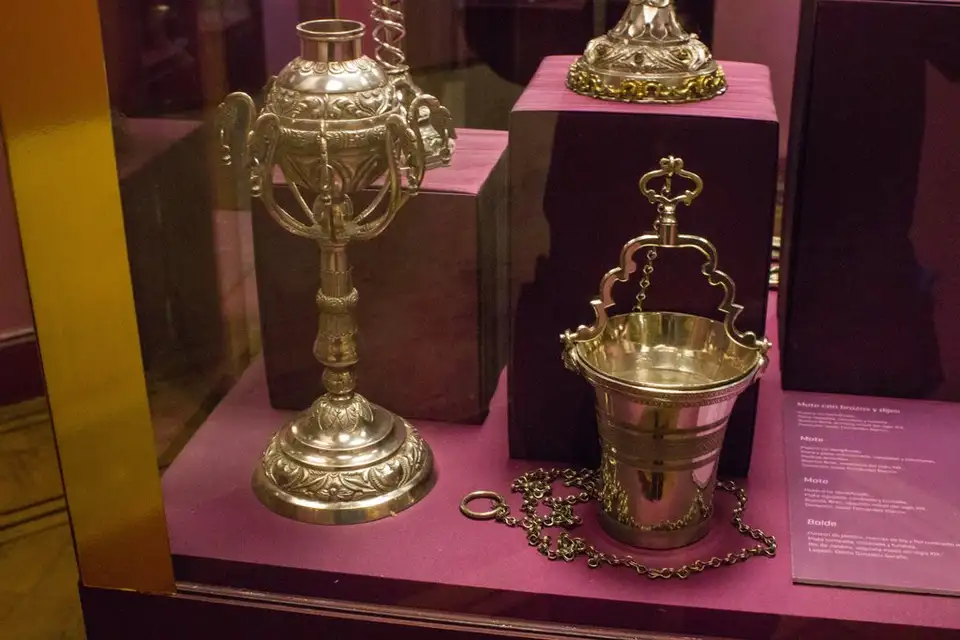
Moving through its rooms, one can observe how the salons gradually incorporated pieces of considerable historical significance — fans, hair combs, portraits from the federal period, and period documents. One of the most notable pillars of the collection is its silverwork, which constitutes one of the most comprehensive examples of eighteenth-century South American colonial and nineteenth-century Argentine production. This transition from family residence to public space was consolidated in 1921, when Fernández Blanco decided to open its doors to the public, and subsequently formalised through the symbolic donation of his collection to the city.
Context within the urban fabric of Monserrat
Casa Fernández Blanco does not function as an isolated element; it connects directly with the history of the development of the Monserrat and La Piedad neighbourhoods. During the first decades of the twentieth century, the most relevant social life of Buenos Aires was concentrated around its location, surrounded by first-class hotels, large department stores, emblematic cafés, and public buildings.
By maintaining its eclectic style in a setting that has undergone constant commercial change, the house acts as an anchor of identity for the southern neighbourhood. Its continued presence makes it possible to understand the growth logic of a city that sought to emulate European models, preserving within its walls the transition between colonial tradition and the architectural modernity of the twentieth century.