Bodegas Belasco De Baquedano
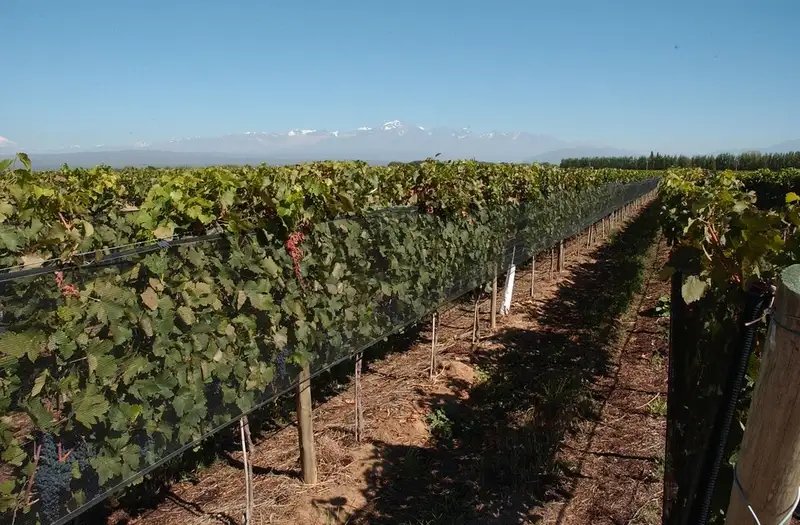
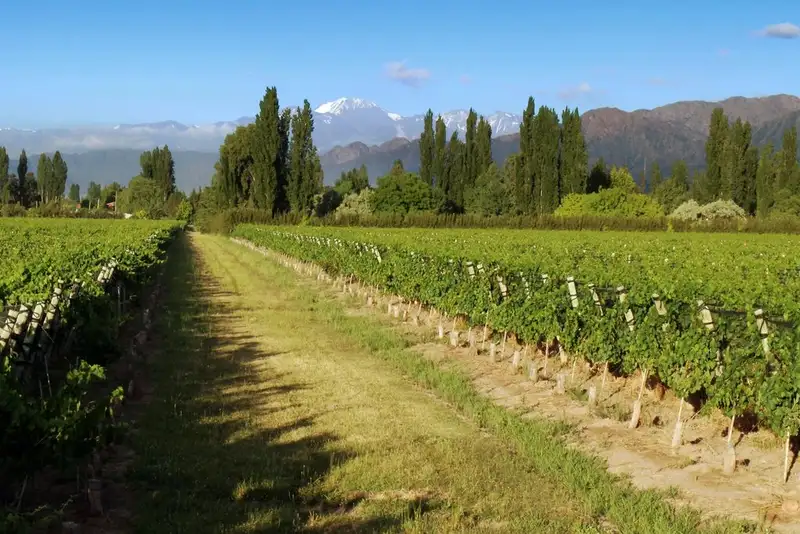
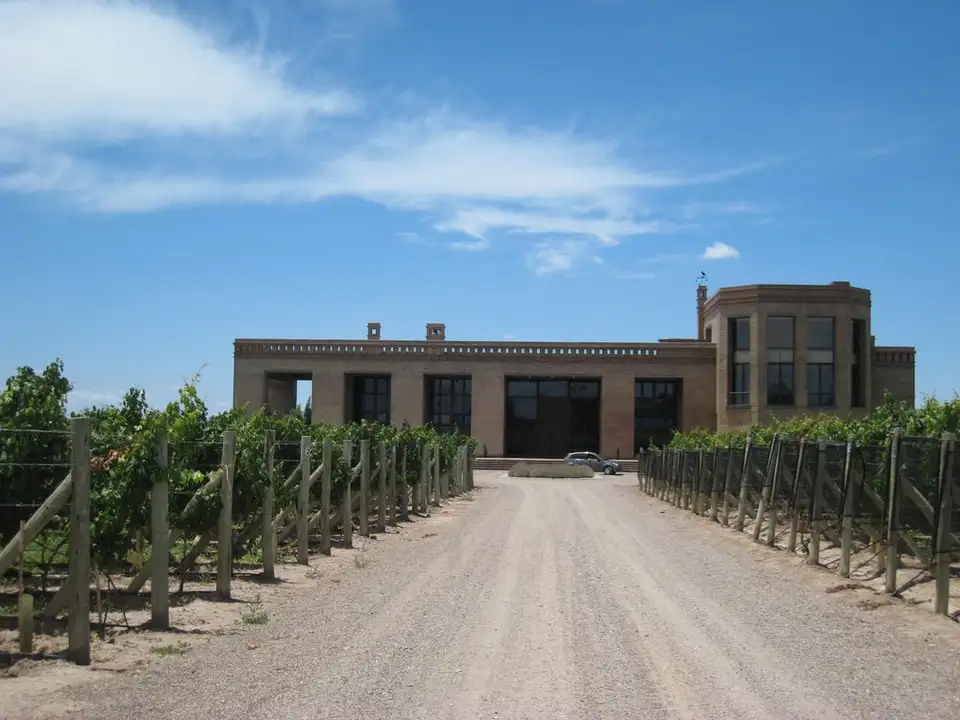
Located in the heart of Agrelo, within the department of Luján de Cuyo, the Belasco De Baquedano winery stands as an architectural and sensory landmark in the Mendoza region. Access to the property is marked by a dirt road that runs through the vineyards and leads to an imposing five-story structure with an aesthetic inspired by modern Mayan style. This building functions not only as a production center but as a space designed to integrate the local landscape with a sophisticated hospitality offering.
Sensory experience and architecture
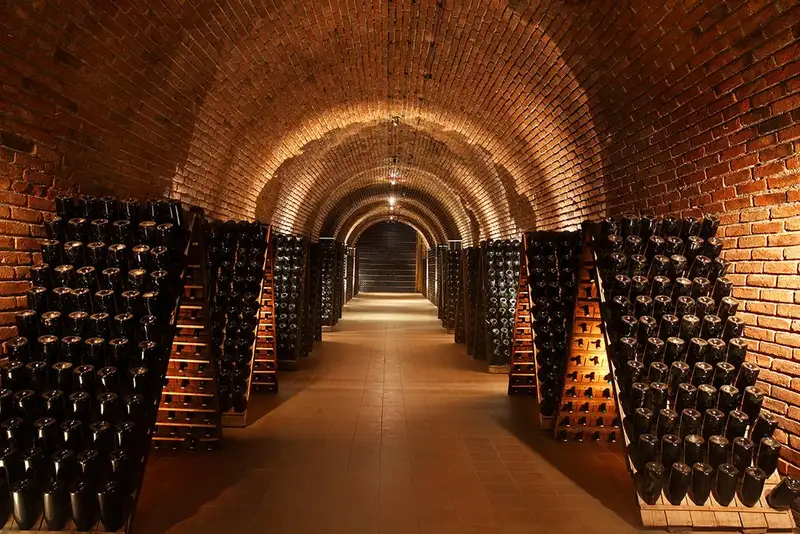
The interior of the building offers a journey from the visual to the olfactory. On the lower floors, the fermentation tanks are embedded beneath the ground, with only their silver lids visible against burgundy-colored concrete surfaces and red walls accented by warm lighting. A distinctive feature is the Aroma Room, a rectangular salon housing 46 fragrances contained in plexiglass posts. Through a simple mechanism, visitors can release oil capsules to explore the different aromatic notes that define the local terroir.
On the upper levels, the design seeks connection with the natural surroundings. The tasting room features a wooden bar framed by portraits of Argentine landscapes and offers private spaces with glass walls. These rooms allow direct views over the expanse of the vineyards and the presence of the Andes to the west, maintaining visual continuity between the winery interior and the Luján de Cuyo landscape.
Gastronomy and territorial context
The offering is completed on the top floor of the brick building, where the Navarra restaurant is located. This space is designed with a terrace system that maximizes views toward the Andes. The menu centers on high-end South American cuisine, structured as a multi-course format intended to pair with the winery’s traditional varietals, including Malbec produced in its own vineyards.
The significance of this place within Mendoza’s wine circuit lies in its capacity to transform a technical visit into an experience of design and contemplation. By integrating elements of modern architecture with the productive tradition of Agrelo, the winery functions as a node where viticultural heritage meets contemporary aesthetics, allowing visitors to understand the scale of the Mendoza landscape from an architectural perspective.