Salinas Grandes
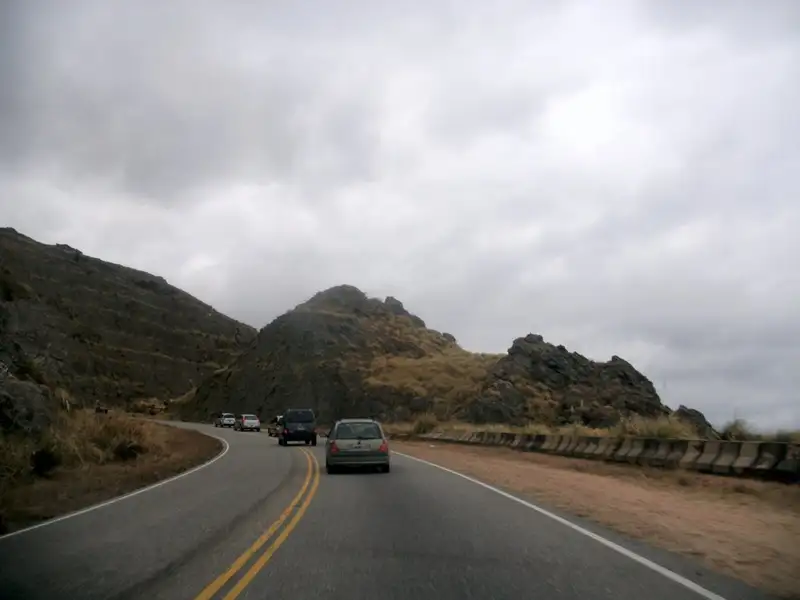
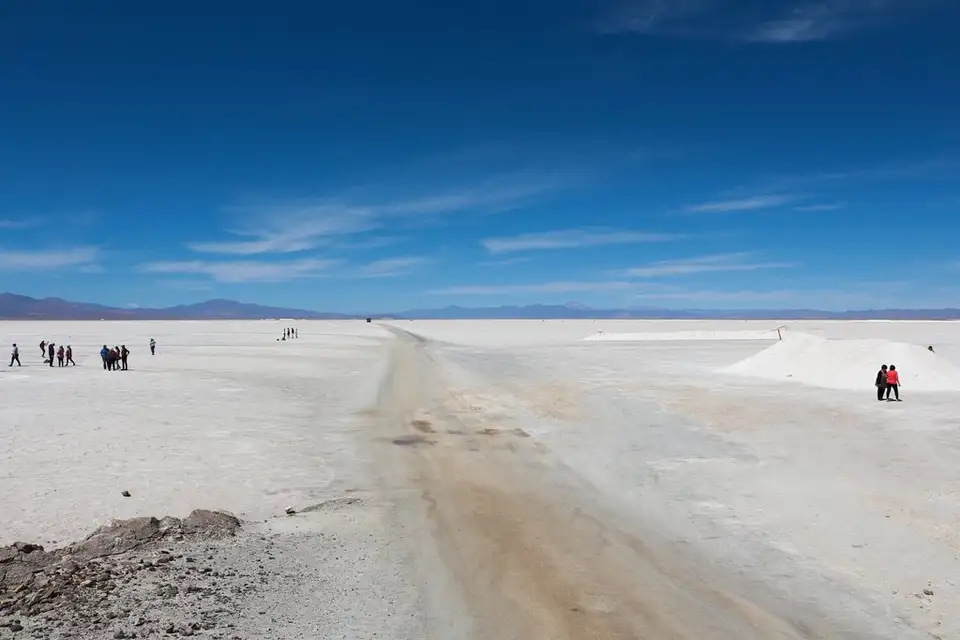
About 180 kilometers north of Córdoba Capital lies the Salinas Grandes Multiple-Use Reserve. This territory, covering some 200,000 hectares, is not an isolated unit but an ecosystem that crosses provincial boundaries, extending also into La Rioja, Catamarca, and Santiago del Estero. What defines this place is its geological origin: thousands of years ago, a tectonic fault allowed ancient seabeds to filter through, leaving exposed layers of minerals dominated by sodium chloride. This process not only shaped a vast white landscape but also laid the groundwork for a historical economic activity based on salt extraction.
Geology and territorial memory
The presence of salt has deeply marked the identity of the region. During peak periods of extraction, settlements took hold that served as centers of life for workers at the salt flat. Towns such as San José de las Salinas, Lucio V. Mencilla, and Totoralejos are examples of these places that emerged tied to the exploitation of the resource. The ground, characterized by its mineral composition, has a texture that shifts between solid and marshy, reflecting the dynamics of the salt deposits. This mineral wealth continues to serve as raw material for various commercial industries today.
Landscape and climatic contrasts
Traveling through Salinas Grandes offers a horizon that seems to have no end, where the white of the ground creates a sharp contrast with the sky. The visual experience changes dramatically depending on the time of day and weather. At dusk, the haze of colors over the salt surface transforms the perception of the surroundings, while clear nights allow for unobstructed views of the stars and the full moon. The environment is extreme, however; during the summer months, temperatures can reach 45 °C during the day, only to drop sharply after nightfall, demanding constant adaptation to desert conditions.
Biodiversity at the heart of the salt flat
Despite the arid, mineral appearance, the ecosystem harbors pockets of unexpected vitality. The Monte de las Barrancas Wildlife Refuge functions as a dry-forest oasis within this setting. In this sector, native flora — composed of species such as chañar, breza, quebracho blanco, mistol, and algarrobo — sustains a diverse fauna that includes suris, flamingos, mountain cats, and lampalaguas. Given its reserve status, access to these areas is regulated and requires special permits from the Secretaría de Ambiente de Córdoba, always with the accompaniment of a park ranger to ensure the preservation of the environment.