Plaza San Martín
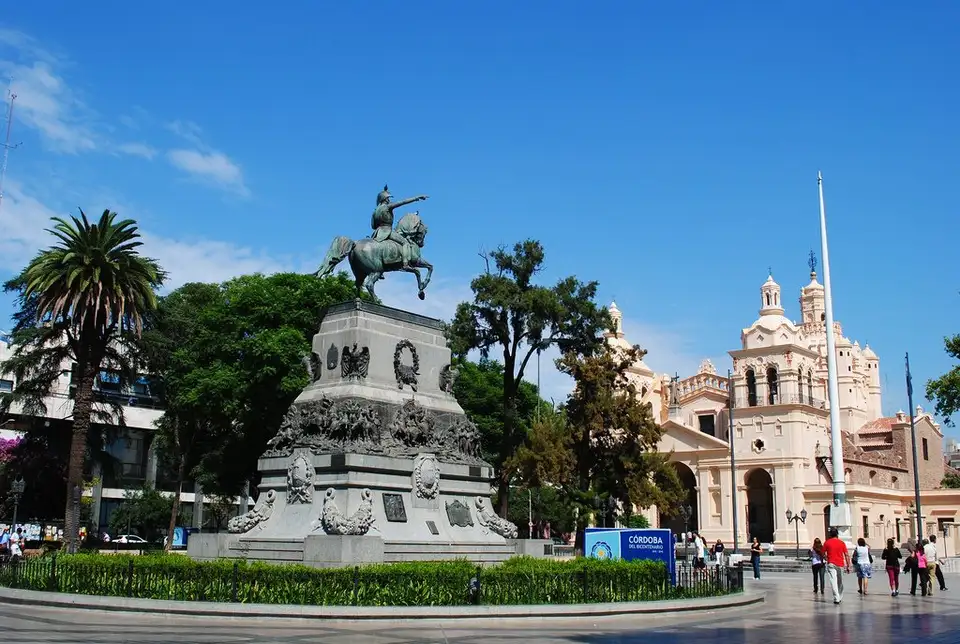
Since 1577, Plaza San Martín has served as the axis around which Córdoba’s urban layout was organised. What we know today as the microcentro was born from this original design, with the square occupying the very centre of a grid of seventy city blocks. This space was not only the starting point for the colonial city — it remains the nucleus where the region’s principal religious and political institutions converge.
The origin and transformation of the space
The land on which the square now stands was originally inhabited by the Comechingón peoples before the arrival of the Spanish. With the founding of the city, Don Suárez de Figueroa’s design established this square as the nerve centre. During the seventeenth and eighteenth centuries, its character was very different from today’s: it lacked the tree cover that now defines it, functioning instead as an open, treeless plaza. At that time, it served as a point of intense commercial exchange — a supply hub for meat, fruit, and vegetables, as well as a rest stop for the ox carts arriving in the city.
The square also served as the setting for diverse social and ritual events, from religious processions and festivals to bullfights. Its history, however, also includes harsher aspects: it functioned as a place for the carrying out of death sentences. It was not until the late eighteenth century, under the interventions of the Marquis of Sobremonte, that the space began to incorporate decorative and functional elements, such as street lighting and a fountain intended to supply water to local residents.
The social pulse and the historic surroundings
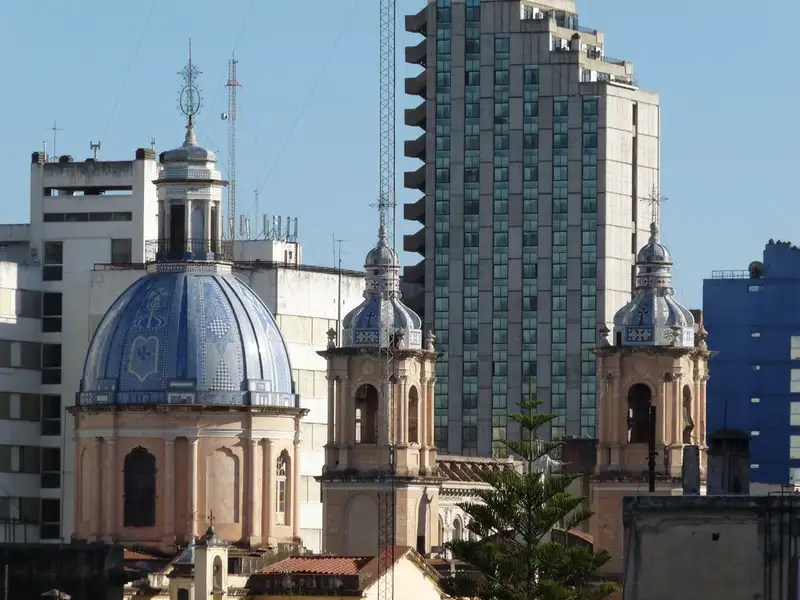
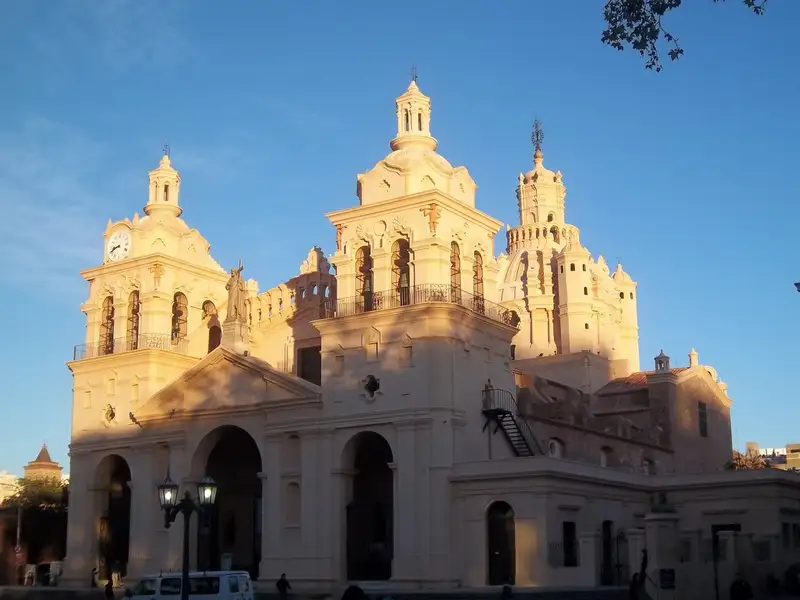
The importance of the square lies in its direct relationship with the buildings that surround it. Facing it stand the foremost expressions of Córdoba’s institutional power: the Cathedral of Córdoba, representing the religious heritage, and the Historic Cabildo, which today operates as a museum and cultural centre, representing the former political authority. This arrangement of buildings makes it possible to understand how the urban hierarchy took shape from the colonial period onward.
From the mid-nineteenth century, with the creation of new markets in other parts of the city, Plaza San Martín underwent a shift in identity. It ceased to be a centre of commerce and logistics, transforming into a space devoted to leisure and promenading. This process of Europeanisation of the urban landscape gave it the character of a public gathering place that it retains to this day.
Today, the square functions as the epicentre of social life in Córdoba. The rhythm of the city is felt in its daily activity, where everyday routines coexist with public demonstrations, official events, and spontaneous cultural expressions. It is a space where the historical memory of past centuries meets contemporary urban life, maintaining its relevance as the fundamental meeting point of the historic centre.