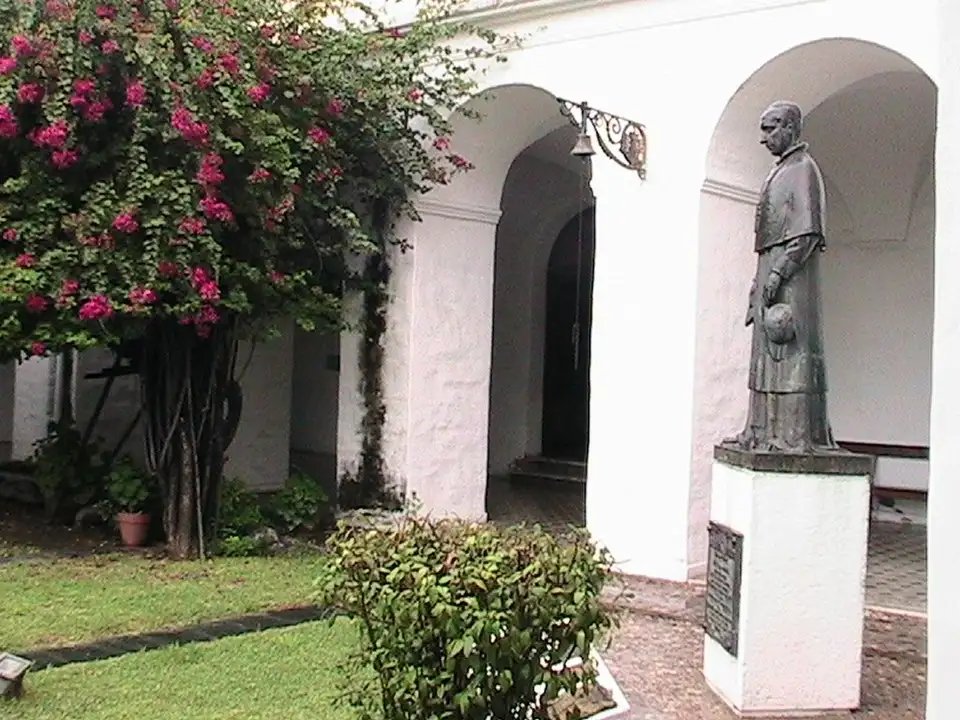
Museo San Alberto
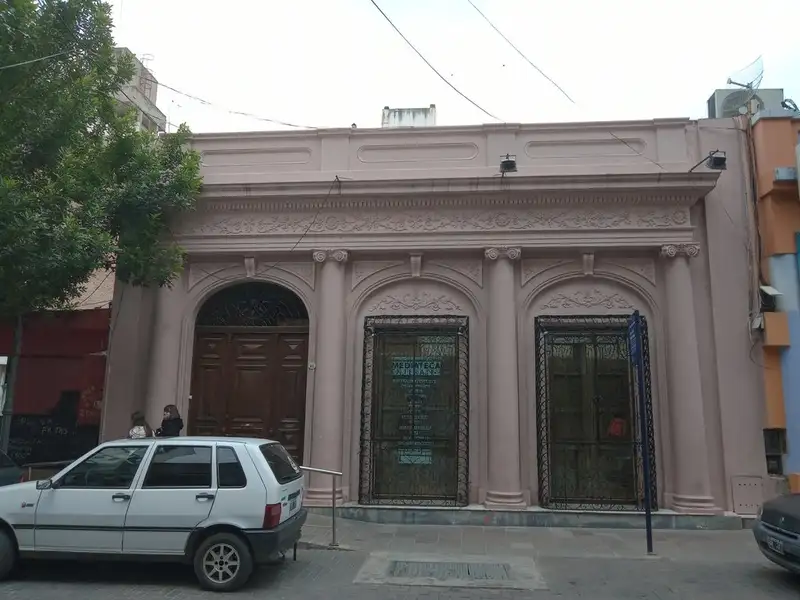
Located in the heart of the city of Córdoba, the Museo San Alberto operates as a house-museum that allows visitors to reconstruct fragments of everyday life from the late eighteenth and early nineteenth centuries. The space is not merely a container of objects but an architectural and social testimony to what feminine formation and ecclesiastical structure were in the region. The institution rests on a deep historical foundation linked to the presence of the Hermanas Carmelitas Terciarias de Santa Teresa de Jesús, whose headquarters and educational work have shaped the site for centuries.
Memory of everyday life and the feminine role
The tour through its rooms offers a detailed look at the social dynamics of colonial Córdoba. Through a collection of period furniture, utensils, works of art, and original documents, the museum seeks to evoke the different stages and facets of women’s existence during that period. The exhibition addresses themes ranging from childhood and life in the cloister to the practices of prayer and manual labor.
What distinguishes this institution is its focus on the vision of a man who, in his time, actively incorporated women into a pioneering educational structure. The museum allows visitors to observe how spaces of learning and devotion were organized, offering a less generic perspective on the colonial past and centering on gender identity and the religious and social formation of the city’s inhabitants.
A legacy of education and plurality
The historical background of the building is essential to understanding its territorial importance. In 1782, by the will of the Bishop of San Alberto, the Real Hogar de Niñas Huérfanas Nobles was founded on this site — an institution notable for being one of the first pluralist educational proposals in the Viceroyalty of the Río de la Plata. The significance of this site lies in its inclusive character for the era: under ecclesiastical stewardship, girls from high society were educated alongside orphans and mestizo populations.
This educational process took place in the Casa Madre de la Congregación de Hermanas Carmelitas Terciarias de Santa Teresa de Jesús, a complex that has maintained its pedagogical and welfare functions over time. The museum thus forms part of an environment where education and faith have shaped the urban and cultural landscape of Córdoba.
Architectural roots and urban transformations
The importance of the building extends beyond its function as a museum, as its structure holds layers of Córdoba’s urban history. Before becoming the current space, this site was the original home of the Colegio Convictorio de Nuestra Señora de Monserrat. This school, founded in 1687, occupied the family home of the priest Ignacio Duarte y Quirós until, following the expulsion of the Jesuits in 1782, the Franciscan order decided to relocate the institution to its permanent location.
Within this context of institutional change, the basement of what was then the school served as a key point for the dissemination of ideas: it was there that Córdoba’s first printing press was installed. This detail underscores how the site has witnessed processes of technological and communicational transformation, connecting the history of religious education with the first steps of the press in the region.