Ibero-American Museum of Crafts
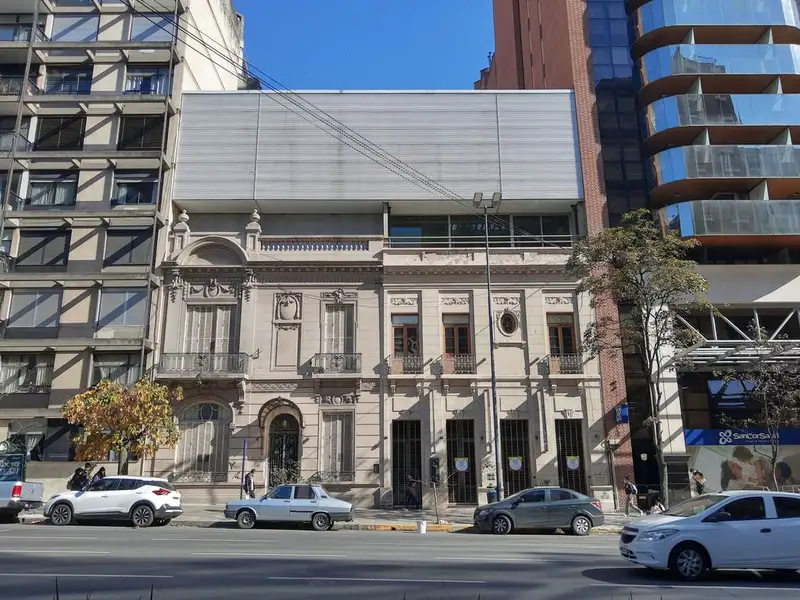
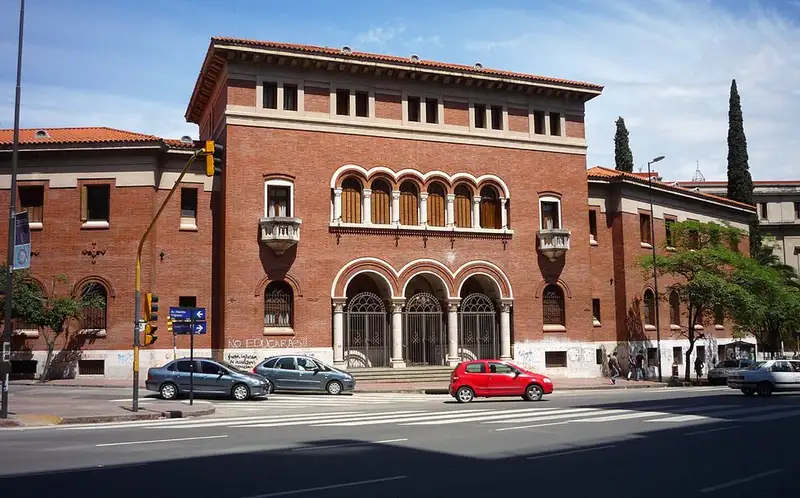
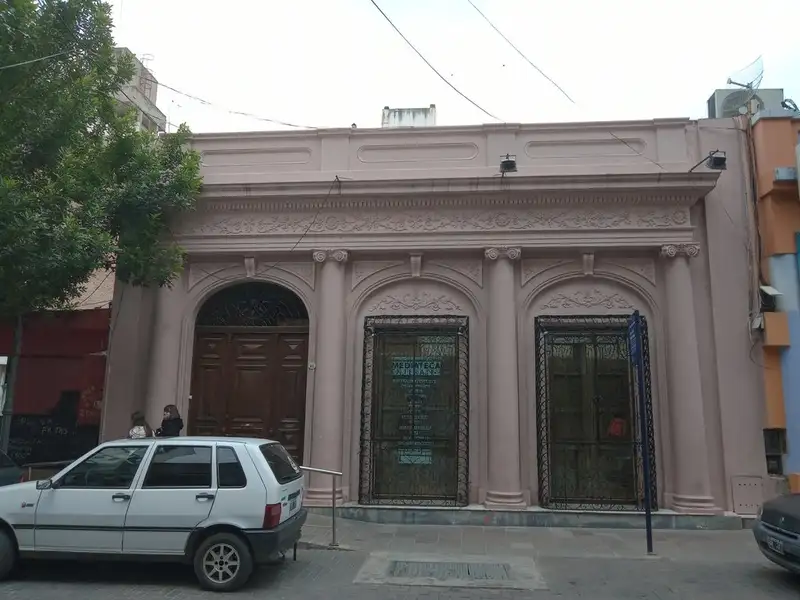
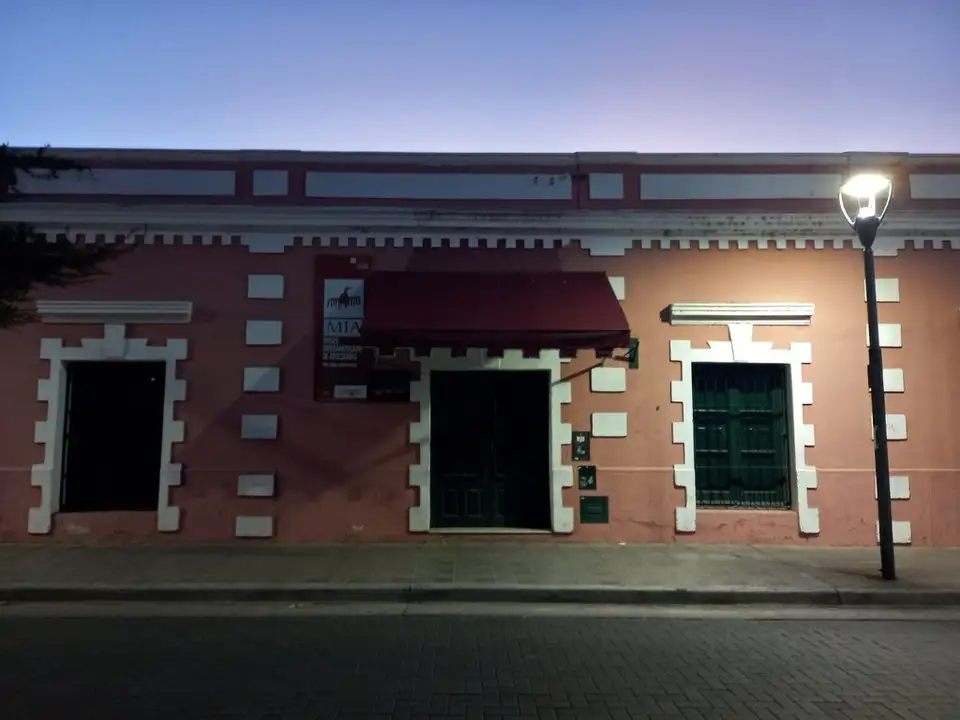
Located in the heart of the traditional Güemes neighborhood, within the Paseo de las Artes, the Museo Iberoamericano de Artesanías (MIA) serves as a meeting point between contemporary handmade production and the historical legacy of the region. The space, which bears the name of Professor Miguel Carlos Sahade, is centered on making visible the fundamental role of artisans in the identity of their communities, transforming utilitarian and decorative objects into pieces of museological value.
Heritage and Material Diversity
The museum’s collection reflects the cultural plurality that runs through the continent. The museological holdings draw largely from works awarded at the Feria Internacional de Artesanías de Modus – Fundart, ensuring a selection based on the technical and aesthetic quality of each piece. The collection currently holds more than 600 works spanning a range of material languages: from the ceramics of Nicaragua and Argentina to the indigenous traditions of Brazil and Peru.
Moving through its rooms, visitors can observe the diversity of techniques and raw materials. There are wicker and beaten-metal furniture pieces from Chile, as well as a significant variety of Mapuche textiles representing traditions from Argentina, Chile, and Mexico. Musical instruments, masks from Oruro (Bolivia), and wood carvings from Puerto Rico and Honduras round out a panorama in which raw materials tell stories of resistance and cultural continuity.
Craft as the Core of the Visit
Beyond its permanent exhibition, the museum functions as a dynamic space connected to current creative processes. The offering is not limited to the contemplation of static objects; it also incorporates temporary shows in which young people and master artisans participate, giving new generations of makers a formal exhibition venue.
This dynamism is complemented by outreach activities aimed at deepening knowledge of the craft. Through workshops organized by the museum, a direct connection with technique is fostered, bringing visitors closer to the complexity of manual processes. In this way, the MIA functions not only as a repository of objects but as a dissemination center where craft is understood as a living form of art and culture that continues to evolve across the Ibero-American territory.