Museo Histórico Provincial Marqués de Sobre Monte
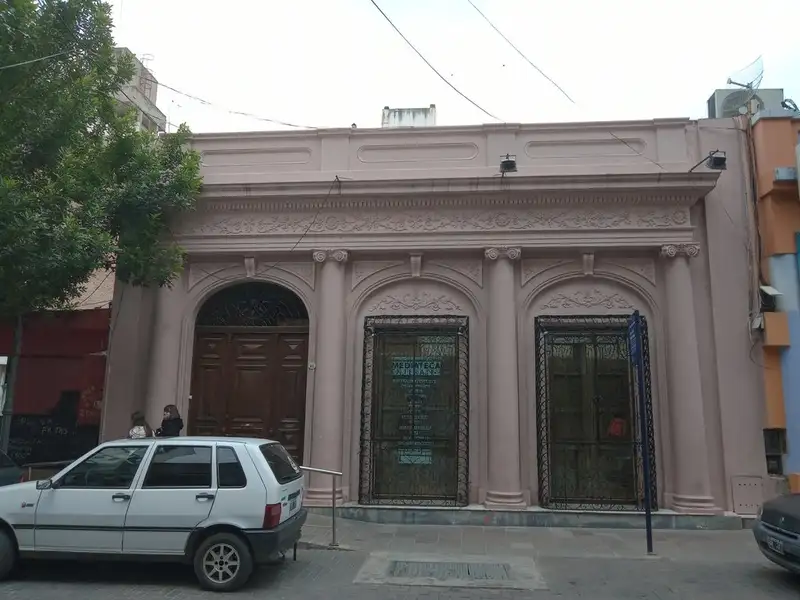
Located at the heart of the historic district of Córdoba Capital, the Museo Histórico Provincial Marqués de Sobre Monte stands as a material testament to the colonial era. The building that now houses its collections was the residence of Rafael Núñez, the Marqués de Sobremonte, who lived on the property between 1783 and 1797 while serving as governor-intendant of Córdoba del Tucumán. This space is not merely a container for objects, but a key piece for understanding the administrative and urban transition of the province toward the end of the eighteenth century.
Colonial Architecture and Structure
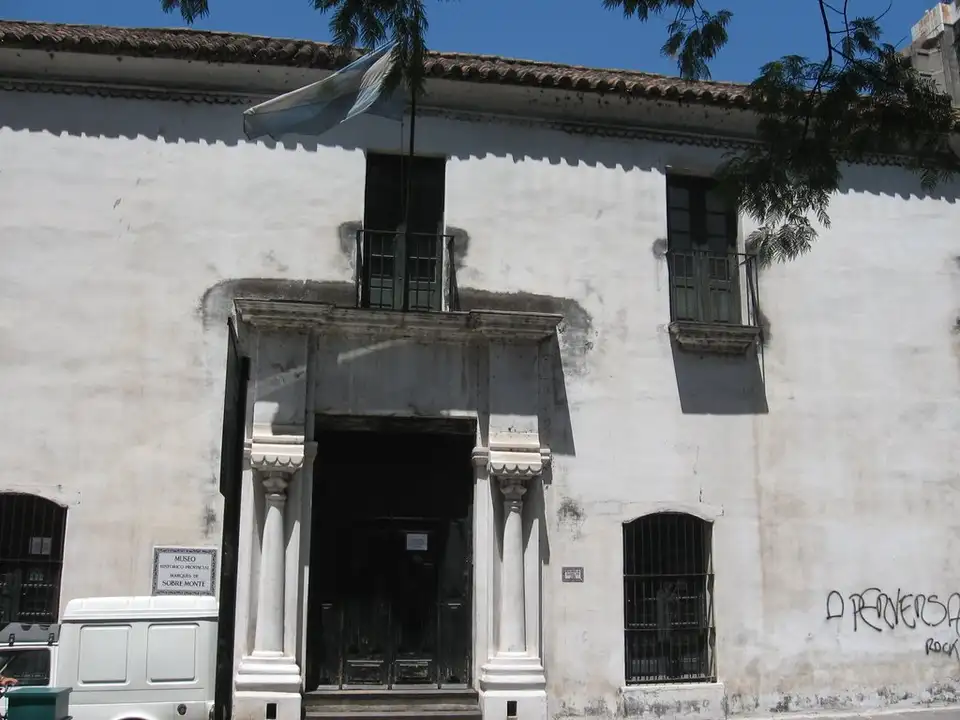
The building is notable for its construction in lime and stone, with walls reaching one metre in thickness and vaulted ceilings, features typical of durable construction in the colonial period. The architecture is clearly expressed in its iconic cantilevered corner balcony, supported by carved wooden brackets and covered with curved roof tiles. Entering through the original vestibule door, the route takes visitors through a layout that includes twenty-six rooms, five courtyards, and a chapel.
The arrangement of the spaces recreates the social logic of the era, where family life and hierarchy were reflected in the organisation of the rooms. The courtyards act as lungs of light and air, connecting the different areas of the house and allowing one to observe how movement was structured within a high-ranking residence.
Heritage and Social Memory
The museum’s holdings offer a contrast between the opulence of its collections and the harsher realities of the past. On one hand, the rooms display pieces of considerable aesthetic and cultural value, including furniture in Portuguese, French, Italian, and English styles, as well as friar chairs and armchairs in embossed and studded leather. American paintings, religious imagery, and antique weapons complete a mosaic of styles spanning the Early Modern period.
On the other hand, the museum incorporates sections dedicated to reflection on structures of power and servitude. A significant space is the so-called “Ranchería de los Esclavos”, where the reality of those who lived under conditions of subjugation during the colonial period is presented. This duality between the material wealth of the collections — which also include items from the Wolf collection and from the historian Monsignor Pablo Cabrera — and the memory of social hierarchies makes the visit a complex historical reading experience.
Territorial Context
Located on calle Rosario de Santa Fe, the museum sits within an urban fabric where Córdoba still retains traces of its colonial past. Its presence consolidates the heritage value of the city centre, serving as a point of connection between the administrative history of the former province of Córdoba del Tucumán and the current identity of the Córdoba capital.