Juan de Tejeda Museum of Religious Art
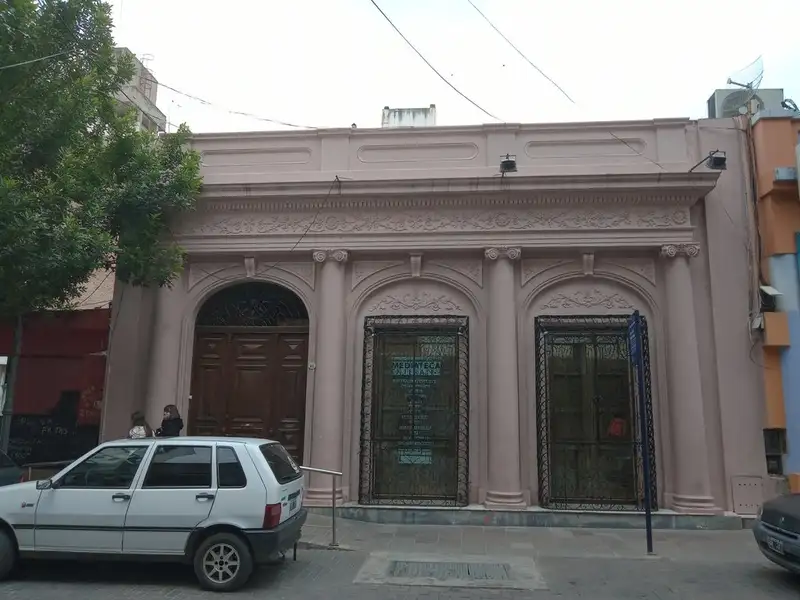
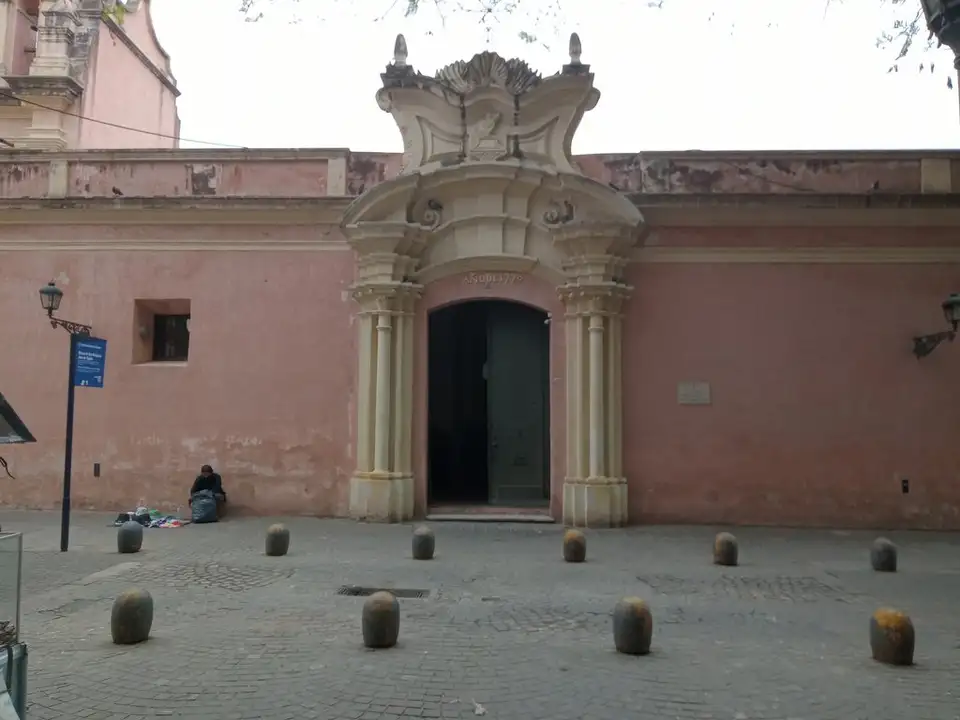
Located in the heart of Córdoba Capital, the Museo de Arte Religioso Juan de Tejeda stands as a material testimony to the cultural and spiritual evolution of the region. The building, which dates from the early 17th century, is not merely a container for objects but a structure that narrates the transition from a family residence to a space of monastic retreat. Declared a National Historical Monument in 1941, the site occupies what was once the home of the Tejeda family, one of the city’s founding lineages, before becoming the Monasterio San José de Carmelitas Descalzas.
Architecture and Monastic Memory
A visit through the museum allows one to understand the logic of the old cloisters. The structure preserves elements that evoke the enclosed life, with cells whose lime and stone walls maintain an atmosphere of silence and withdrawal. The architectural design reflects the Andalusian influence brought during the conquest era, expressed in spaces designed for introspection. In this setting, the cloister galleries offer respite from the urban bustle, allowing a direct connection with the city’s colonial past.
A central feature of the visit is its colonial courtyard, a space that forms part of the “Córdoba de los patios” initiative. This area is characterized by vegetation that includes orange trees, bergamot trees, and an old palm tree covered in vines, where natural light plays a fundamental role. The courtyard functions not only as an aesthetic element but also evokes the daily activities of the nuns, who historically used this space for weaving textiles, making pottery, and producing sweets.
Collections and Artistic Heritage
The museum’s approach has an anthropological dimension, seeking to connect visitors with the human subject behind each piece. The collection draws from three main sources: the Cathedral’s holdings, pieces belonging to the Monasterio San José, and various donations. This ensemble allows one to observe the sociocultural history of the Church in Córdoba and the region from the 17th century to the present, incorporating even contemporary artistic movements.
Among the most notable pieces is the Tenebrario, a monumental carving used for Holy Week services, and the Señor de la Paciencia, a unique work from the Monasterio de Las Catalinas. Also on display is the Altar Portátil, featuring its characteristic polychrome carving in a box. The arrangement of these works allows a journey that crosses the ancient with the modern, offering a comprehensive view of sacred art and its impact on local identity.