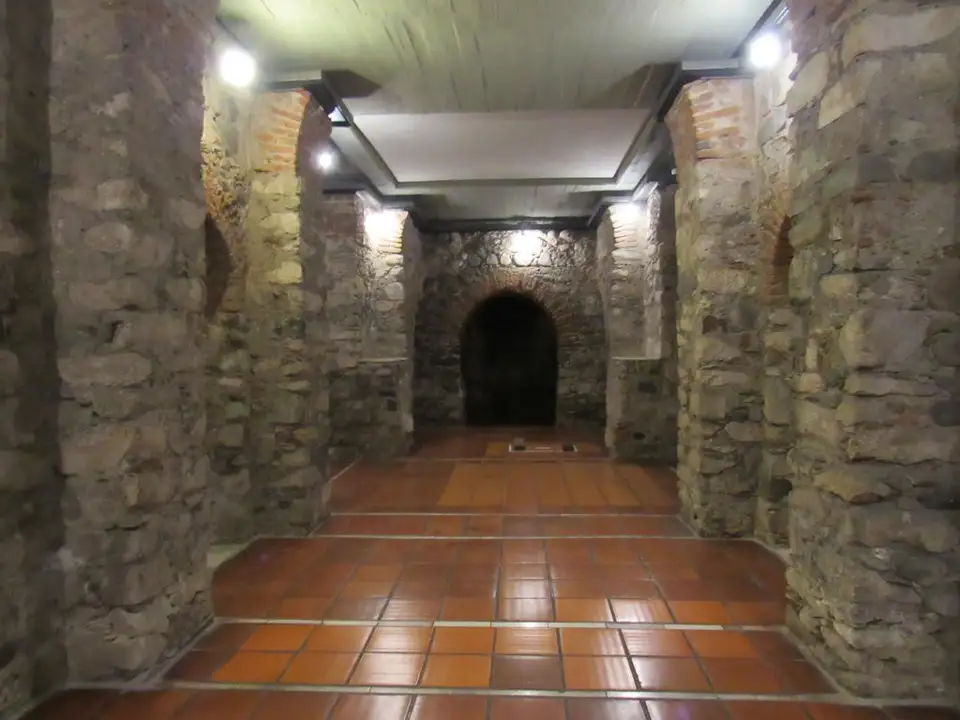
Jesuit Crypt
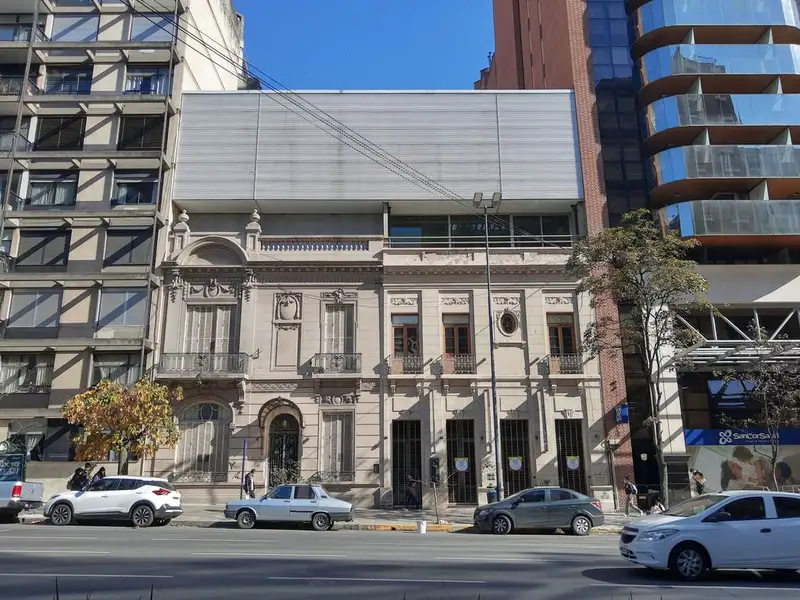
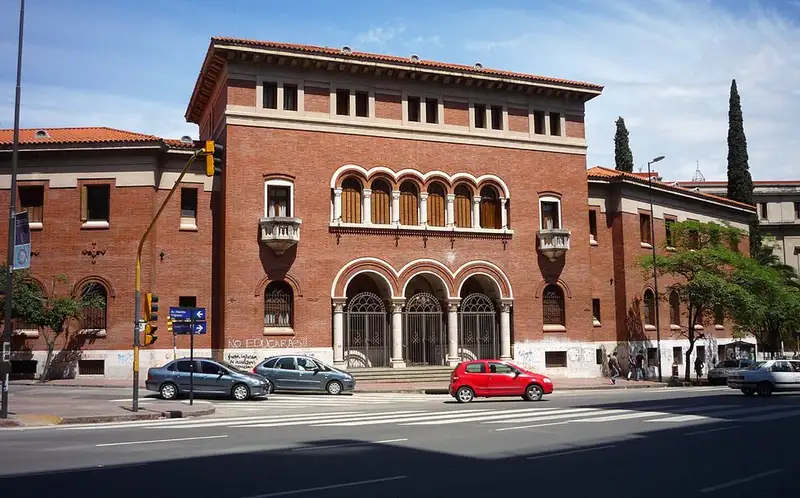
Located at a strategic point in Córdoba Capital, at the intersection of Avenida Colón and the pedestrian street Rivera Indarte, the Jesuit Crypt operates as a site museum that exposes the hidden layers of urban history. This underground space is not merely an old structure but a physical testament to the city’s colonial past, representing what remains of an architectural project that was interrupted and, for decades, stayed invisible beneath the asphalt.
Memory of the Novitiate
The origins of this site date to the early eighteenth century. The plot formed part of the old Jesuit Novitiate, an institution whose main seat was the Manzana Jesuítica. Construction of this new structure began in 1713, with the aim of housing young novices under sixteen years of age who required a separate space. The building’s history was marked by interruption, however; owing to financial difficulties, the work could not be completed as originally planned.
Following the expulsion of the Society of Jesus in 1767, the building’s fate changed drastically. The space was handed over to the Bethlehemite Fathers, who converted it into a hospital. Throughout the nineteenth century the property underwent fragmentation and sale, passing through various hands until its original use as a religious centre was forgotten.
Between Oblivion and Rediscovery
What makes this crypt distinctive is its trajectory of disappearance and reappearance. In 1926 the structure was literally buried. During the widening of Avenida Colón in 1928, the vaults of the old construction emerged at the surface but were covered again with rubble to allow the road project to proceed. This process left the relic underground for more than half a century.
Its return to light was not the result of a planned archaeological excavation but of an accidental discovery in 1989. While workers from the company ENTel were carrying out trenching work to install telephone cables, they came across the remains of this subterranean architecture. That event made it possible to begin the conservation and interpretation work that today allows visitors to walk through its vaults.
A Tour of the Buried Architecture
Visiting the Crypt involves descending into an environment where architecture and history are the central focus. The tour allows visitors to observe the vaults and structure of what was once a building intended for contemplation and prayer. Unlike other monuments in the city, the interest here lies in the materiality of the rescued ruin and in understanding how Córdoba’s urban expansion once chose to bury its own heritage.
The space is integrated into the city’s present-day landscape as a point of pause amid the traffic of Avenida Colón. Its presence connects the current commercial and pedestrian environment with the religious and formative roots that shaped Córdoba’s identity from the year 1700, offering a different perspective on the evolution of the city’s urban layout.