Secretaría de Turismo de Esquel
The Secretaría de Turismo de Esquel serves as the central hub for understanding the identity of a city that sits in a valley of glacial origin. Located in the northwest of Chubut province, this institution is the starting point for grasping how the Patagonian steppe and the Andean forest come together within the same territory. As the most significant town in the Chubut cordillera, its work connects visitors with a network of services ranging from local gastronomy to adventure offerings in the surrounding area.
The Geographical and Heritage Setting
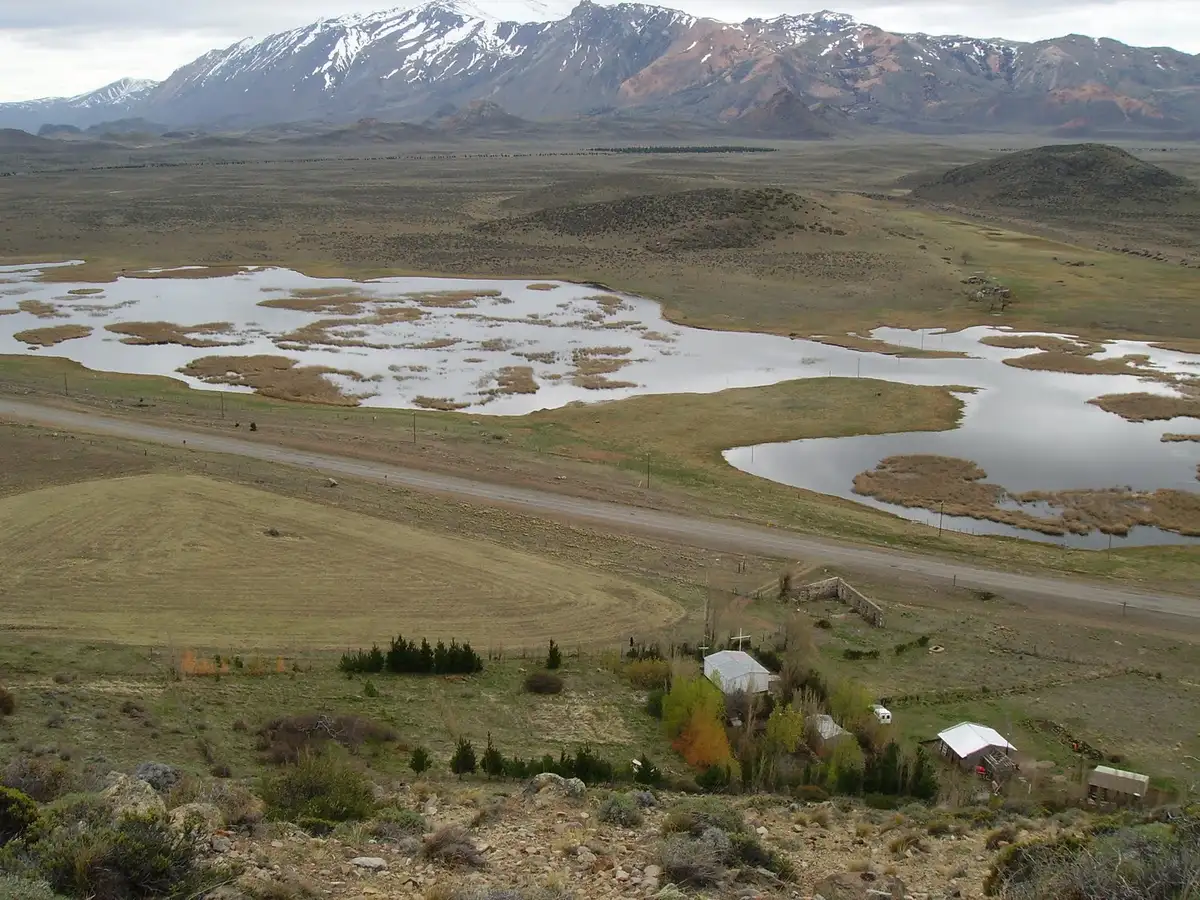
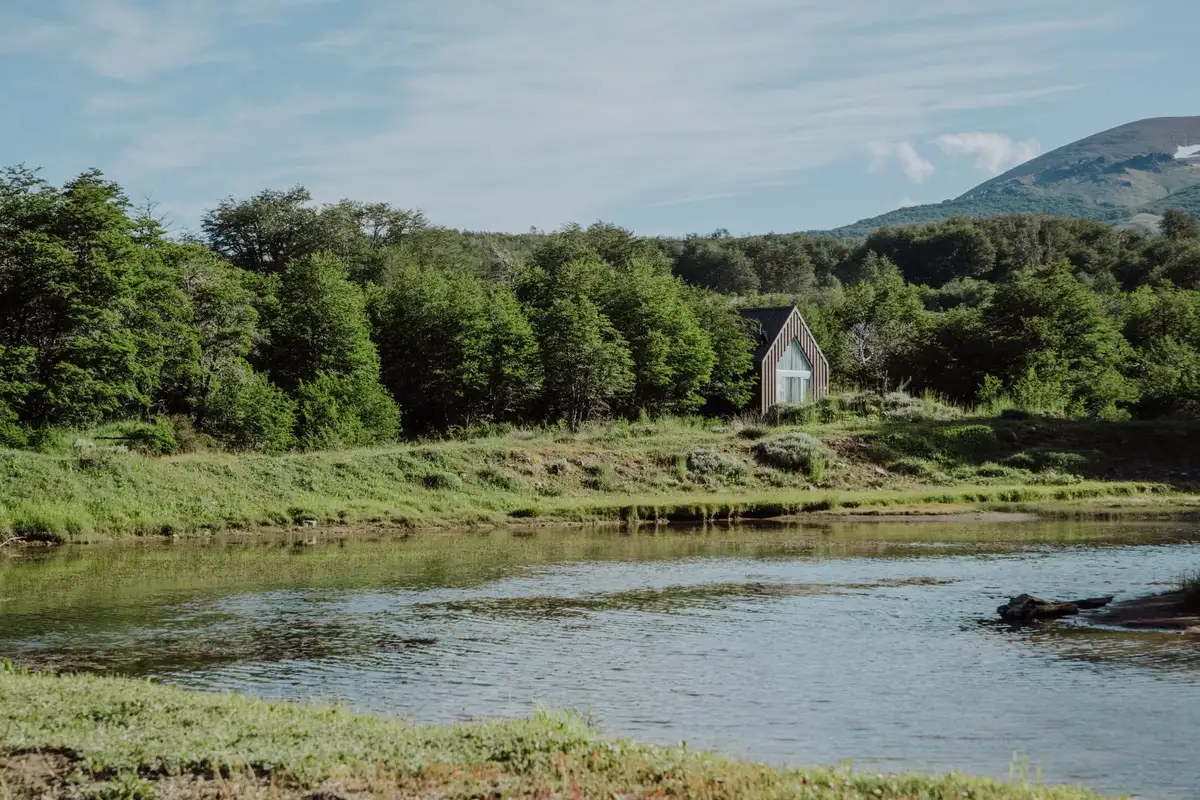
The city unfolds along the banks of the Esquel stream, under the influence of the Nahuel Pan and Esquel mountain ranges. This topography is not merely a backdrop but the axis that defines the region’s activities. The presence of peaks such as Cerro 21 and the La Hoya area sets the tone for an offering that alternates between the winter season and summer routes. The surroundings are defined by a physical transition where Andean forest vegetation begins to interact with the steppe plains, creating a landscape unique to the cordillera.
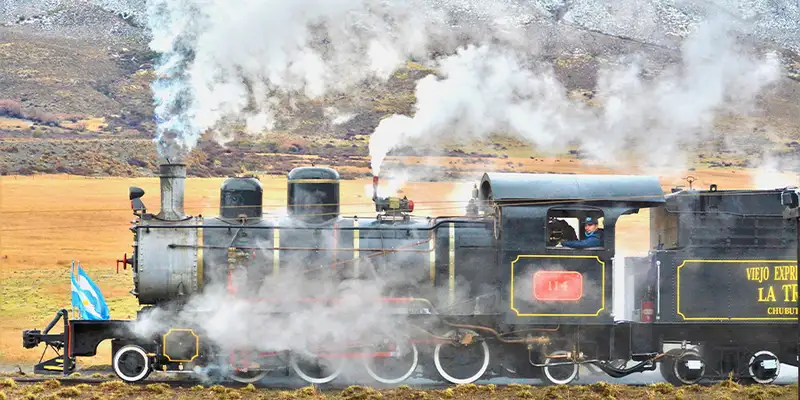
Historical heritage is also a central component of local identity. The city preserves traces of its railway past and cultural roots, such as Welsh traditions that manifest in chapels and the ritual of Welsh tea. This legacy intertwines with technological and transport landmarks, among them the Viejo Expreso Patagón, whose locomotive is a symbol of regional history. Tourism management in the area seeks to integrate these cultural elements with the most prominent natural resources.
Connection to Regional Attractions
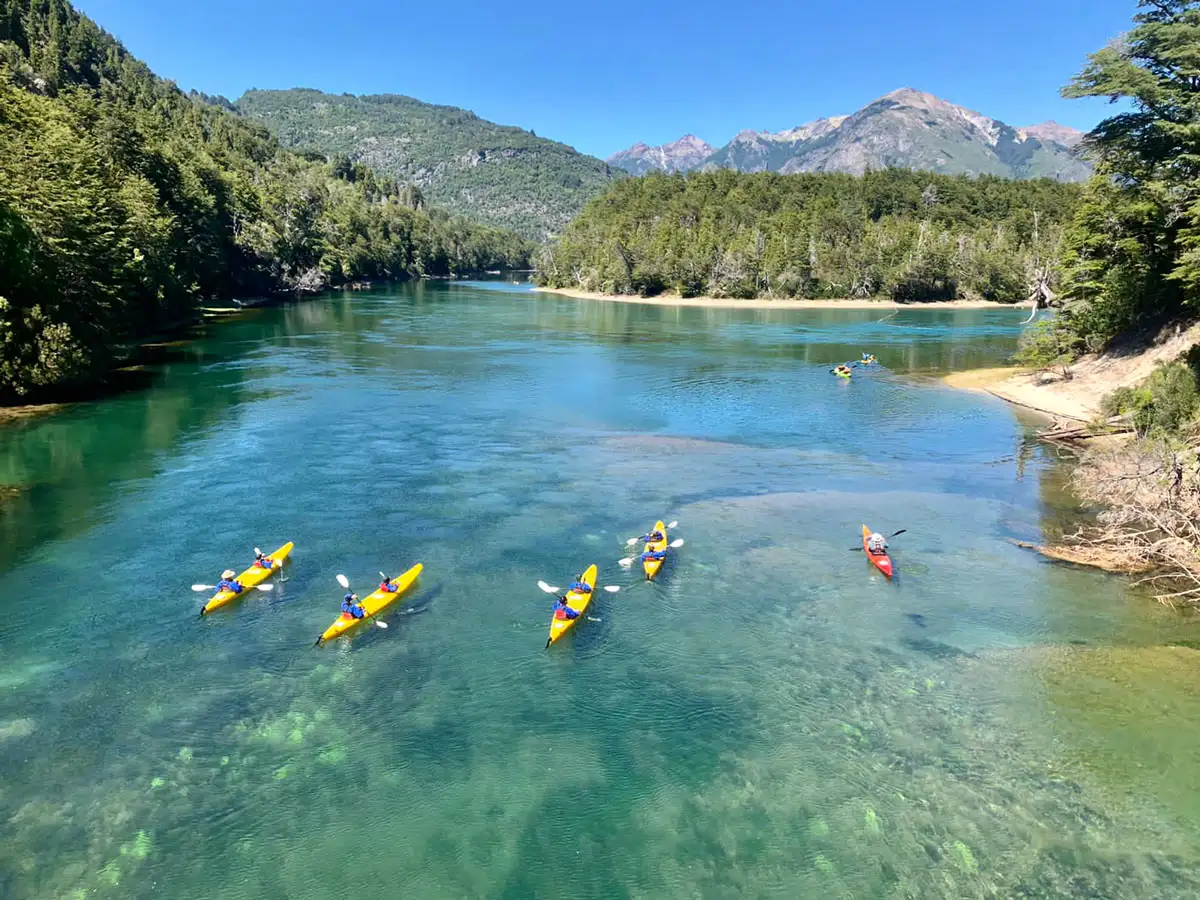
This information center coordinates routes to the most significant points within Parque Nacional Los Alerces, an ecosystem that requires specific itineraries — including catamaran trips to reach its ancient specimens. The connection between the city and its immediate surroundings allows Esquel to function as an operational base for exploring both active tourism — such as horseback riding, sport fishing, and hiking — and the geological and paleontological offerings of the area.
The structure of tourism in Esquel is supported by a network of services that includes travel agencies and a gastronomy with its own identity. The integration of cultural circuits and local museums with mountain activities allows visitors not only to traverse landscapes but to understand the territorial scale of the Futaleufú department and its importance within the Patagonian corridor.