Huemules Reserva De Montana
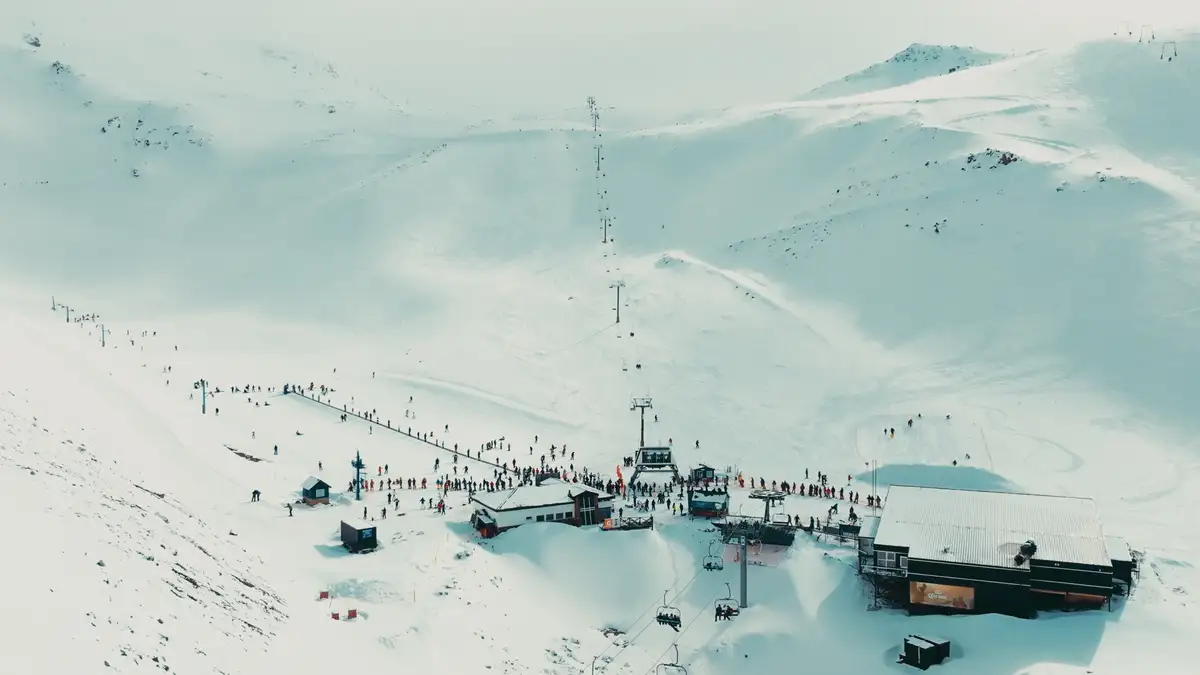
Located in the heart of Patagonia, a few kilometers from the city of Esquel, Huemules Reserva De Montana presents itself as a space dedicated to direct contact with the mountain environment. The reserve sits in a transition zone toward the cordillera, where the landscape is defined by its scale and its silence. The project aims to integrate visitors’ stays with the local ecosystem, using structures that minimize environmental impact on the land.
Architecture and integration with the surroundings
The accommodation offering at the reserve is divided into two main typologies designed to coexist with the landscape without altering its character. On one hand, the domes provide a living experience that maintains the feeling of being immersed in nature, using slender structures and coverings designed to be imperceptible from a distance. These units have a private bathroom and are oriented to shelter visitors from weather conditions without losing the visual connection to the outdoors.
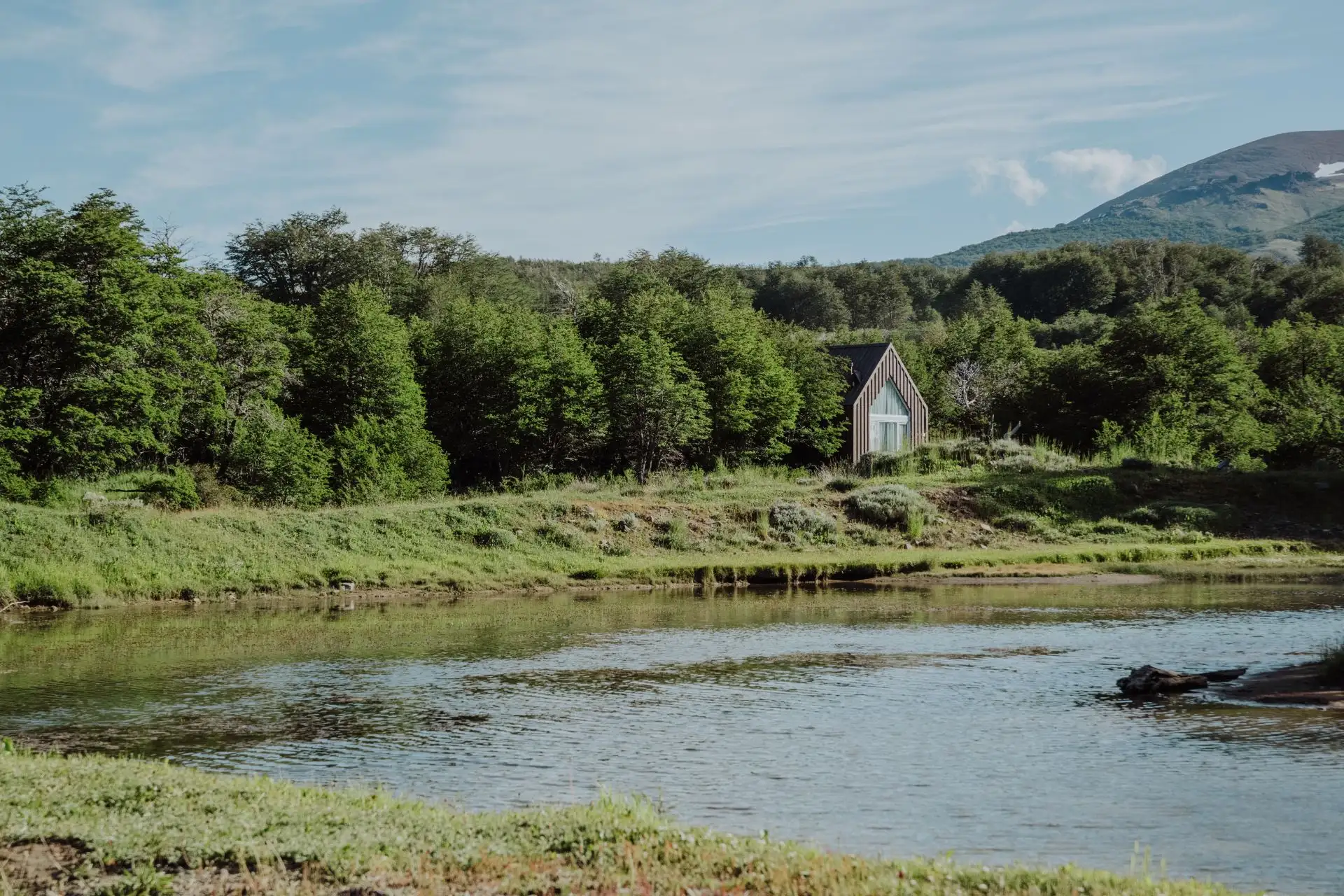
On the other hand, the tiny houses represent an option more suited to family groups. These constructions are based on principles of energy efficiency and are designed to accommodate double, triple, and even quadruple rooms. Like the domes, their architecture seeks integration with the surrounding terrain and vegetation, allowing modern comforts to coexist with the aesthetic of the Patagonian environment.
Visit dynamics and territory
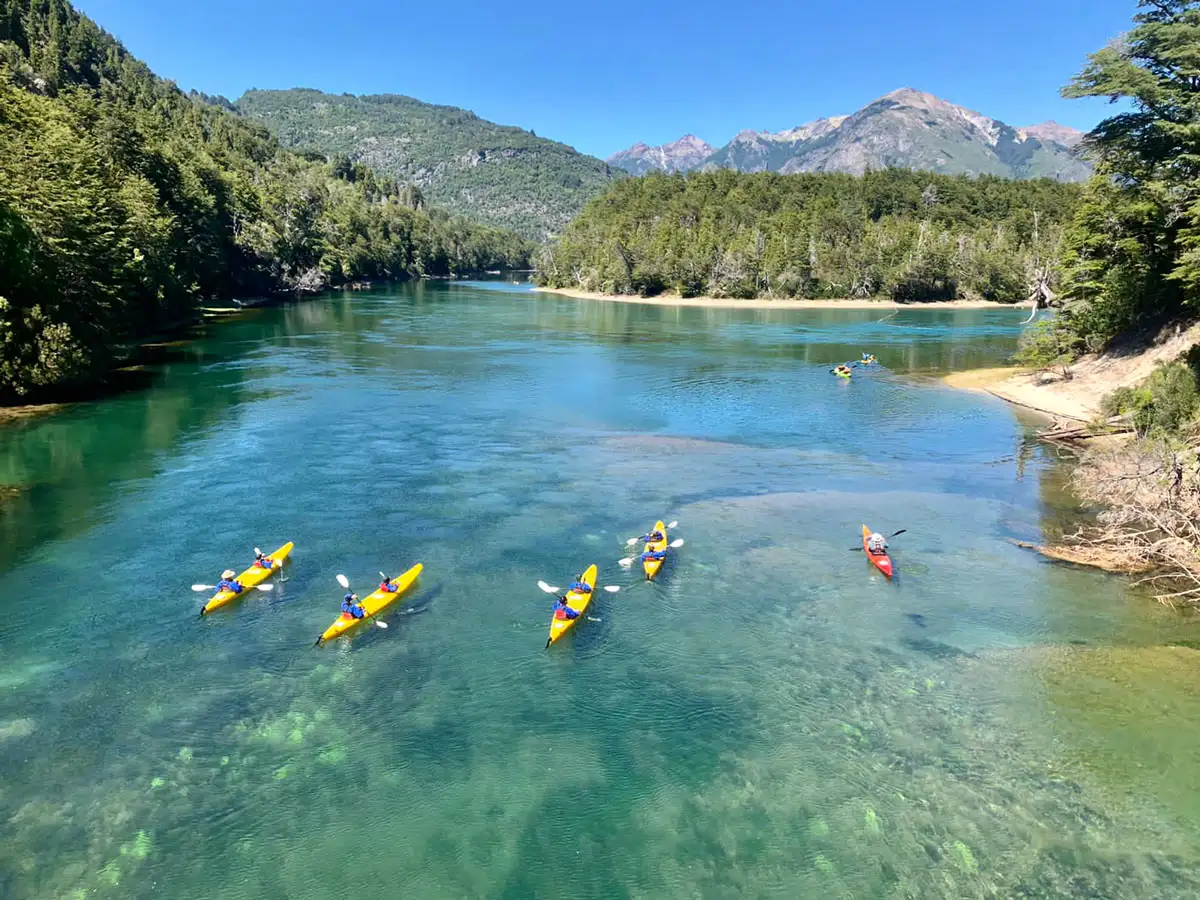
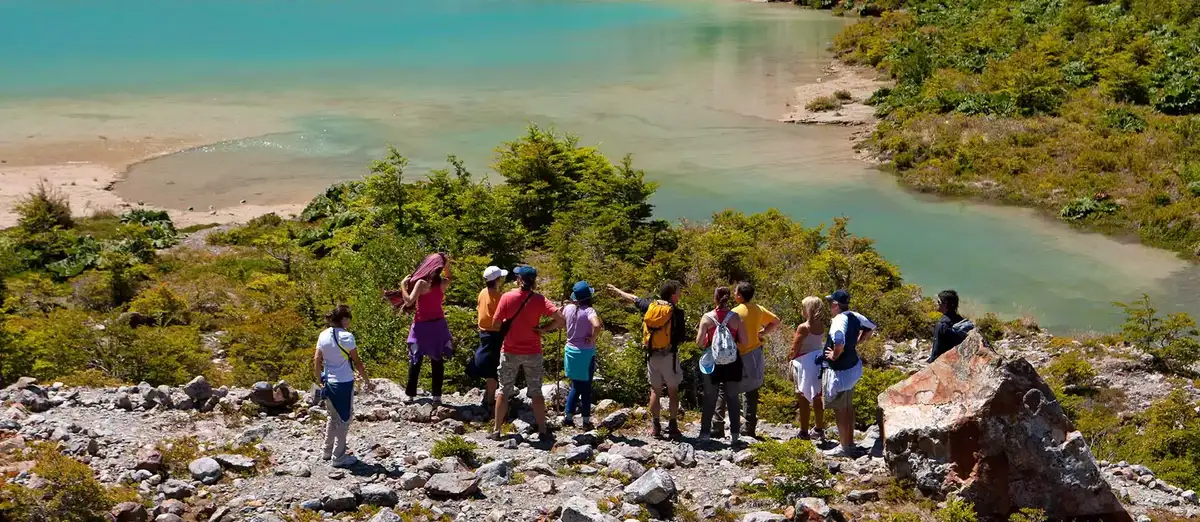
The experience of the reserve is complemented by a program of daily activities that allow guests to explore the local biodiversity and physical features of the area. The stay is structured around a full-board system, which keeps the visitor’s focus on mountain exploration and local gastronomy without the need for constant trips off the property.
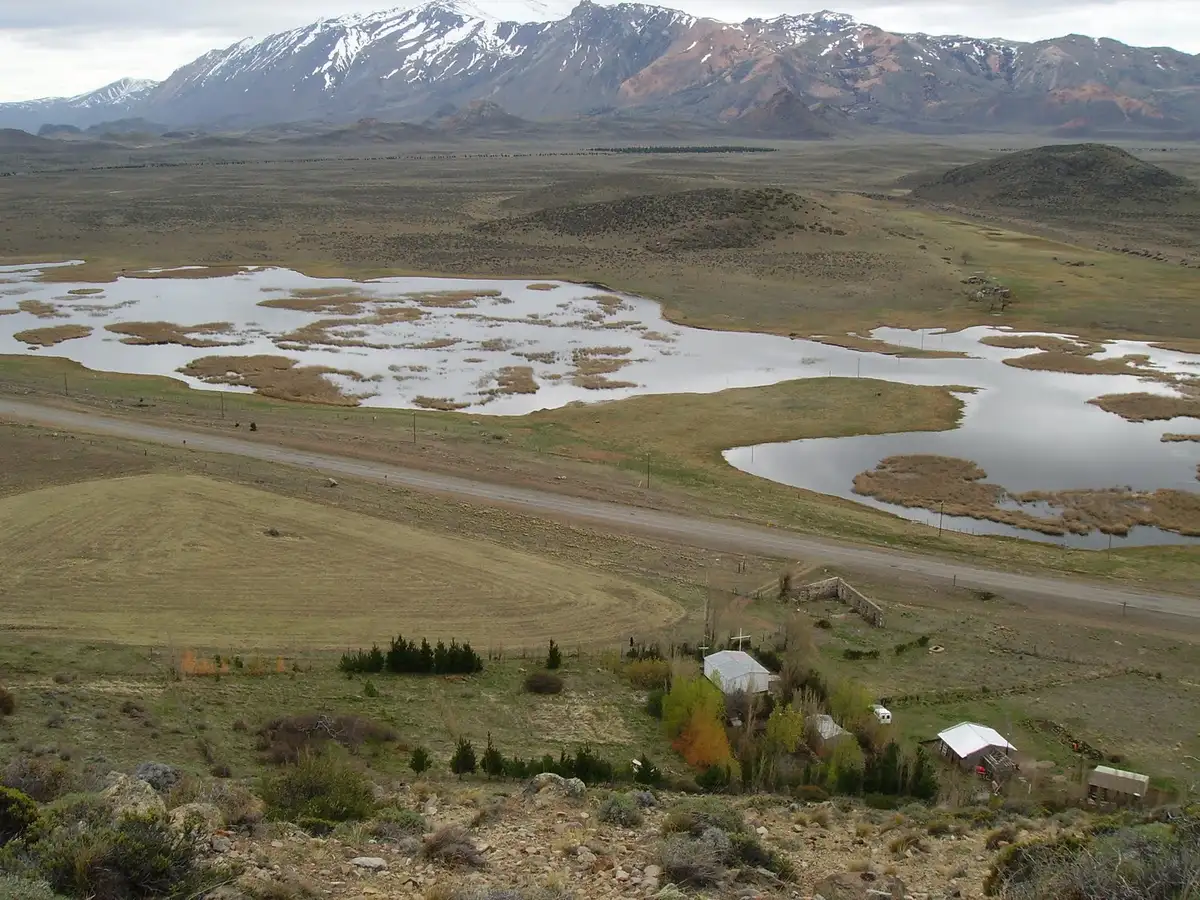
Access to the reserve involves a journey through the region’s characteristic geography. From Esquel, the route passes through the Laguna La Zeta area and continues along gravel roads toward the settlement of Aldea Rio Percy. After crossing the bridge over the Río Percy, the ascent becomes steeper with gradients typical of mountain terrain, following the reserve’s own signage toward the estancia. This route connects the urban centers nearby — such as Esquel or even Bariloche — with a far more rugged and remote environment.
The reserve functions as a point of contact between rest and active exploration, where the four seasons offer distinct experiences according to the state of the climate and vegetation, consolidating a natural observation retreat in the province of Chubut.