Feria Regional Nahuel Pan
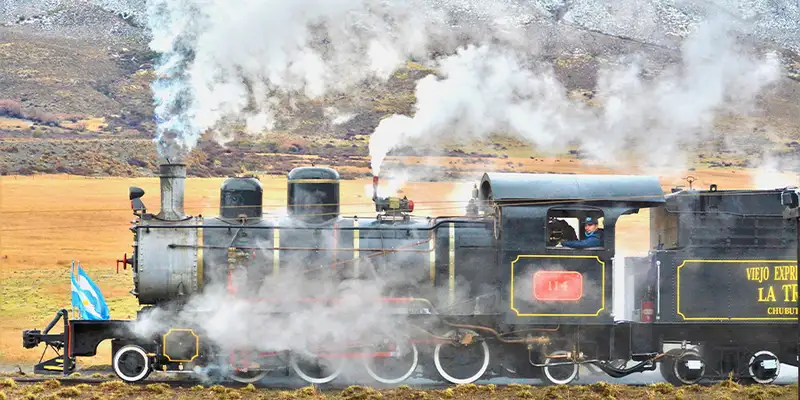
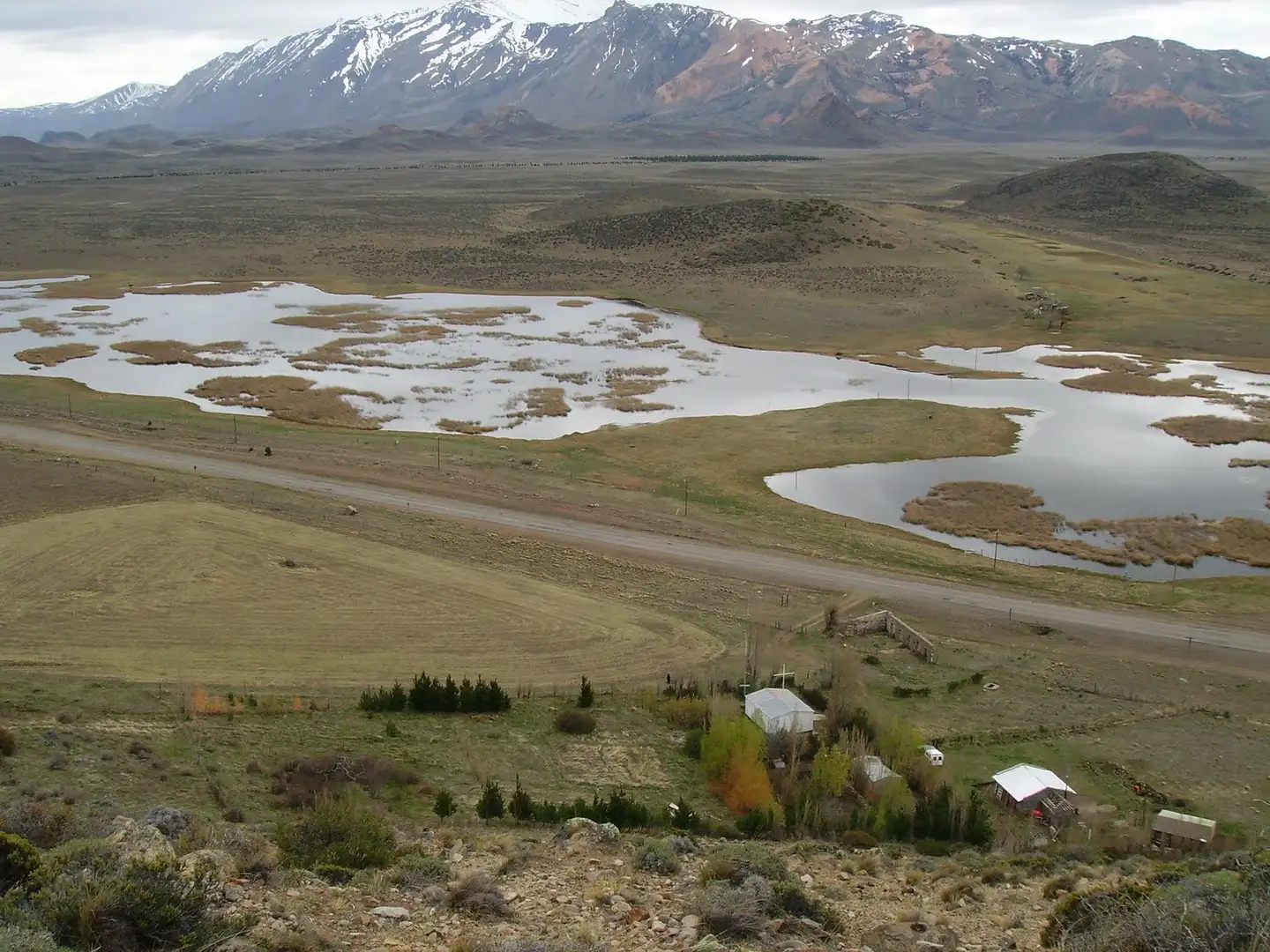
The Feria Regional Nahuel Pan serves as a gathering point for the community of Nahuelpan and visitors passing through the Esquel area. Beyond being an exhibition event, it represents an occasion where local productive activities and the cultural heritage of the region are made visible. The space is organized primarily around two key venues: the Casa de Piedra, and the Salón de Usos Múltiples located at the Nahuelpan train station. ## Local knowledge and production The core of the fair lies in the display of products that reflect the artisanal work and traditions of the area. A walk through the stalls offers a range of items spanning from liqueurs and artisanal sweets to fruit preserves, escabeches, and medicinal herbs. The presence of craft beer and other products derived from local production rounds out the offering of traditional foods. Among the handicrafts, the fair stands out for pieces made from materials native to the surroundings, such as wood, leather, wool, and silver. Work with hand-spun wool is a distinctive feature that connects the fair to the community’s historical livestock and textile practices. This diversity of products aims not only to offer something for the visitor, but also to promote the achievements and development projects underway in the region. ## Culture and community setting The experience at the fair is tied to the identity of Nahuelpan and its connection to the Patagonian landscape. During certain editions — such as those dedicated to winter — the programme incorporates elements that blend the cultural with the recreational, including spaces for children, such as small farms set up in traditional stone structures. The fair also functions as a space for technical and educational exchange. Across its editions, training sessions have been held on poultry production, animal health, and sheep management, with the participation of specialist professionals. This technical component reinforces the fair’s role as a tool for showcasing the diversity of productive activities and progress in local breed recovery projects. The visit to the fair is rounded out by the integration of the railway landscape, making use of the infrastructure of the Nahuelpan train station. The proximity to the tracks of the ‘Trochita’ allows the event to connect directly with the flow of visitors travelling this historic corridor, establishing the fair as a hub of cultural and productive activity at the heart of the community.