Recoleta Cemetery
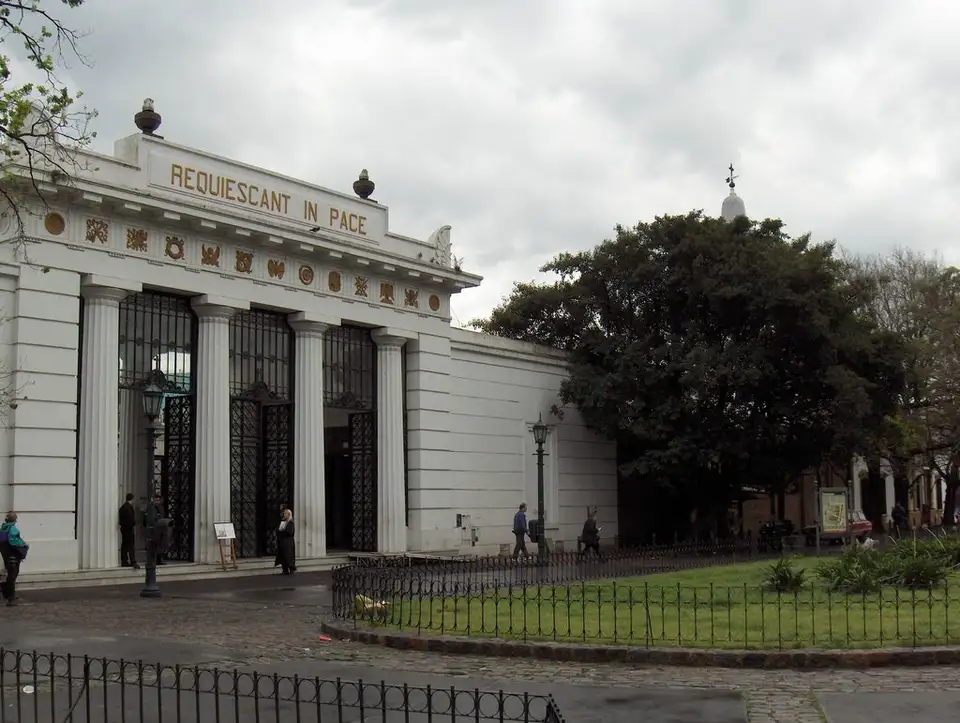
Located in the heart of the emblematic Recoleta neighbourhood, Recoleta Cemetery functions as a tangible record of Argentine history. Beyond its original purpose, the space presents itself to visitors as an open-air museum, where funerary architecture and sculptural art engage in dialogue with the urban surroundings of one of Buenos Aires’s most distinguished areas.
Architecture and material heritage
The grounds, covering approximately 5.5 hectares, bring together a range of architectural styles that reflect the city’s different eras. From its earliest constructions in 1822 through to significant remodelling carried out by architects such as Próspero Catelin and Juan Antonio Buschiazzo, the cemetery has developed a character of its own. The layout consists of a network of passageways and vaults housing works of considerable artistic value.
The visual richness of the site lies in the diversity of its monuments. Details range from neoclassicism to more modern influences, with marble, granite, and bronze forming the predominant language. Each mausoleum and pantheon was designed to endure, making a walk along its paths a study in the evolution of aesthetic taste and the construction techniques that defined Buenos Aires’s elite.
A walk through stories and legends
Walking the cemetery’s passages means immersing oneself in a narrative of collective memory. The space preserves not only physical remains but also the cultural legacy of figures central to national identity. The arrangement of the tombs allows for an unhurried passage, where attention to ornamental detail often leads to the discovery of stories and legends that form part of Buenos Aires’s popular imagination.
A tour of its vaults offers a unique perspective on the city’s social and cultural stratification. The scale of the constructions and the complexity of the reliefs illuminate how prestige was projected through funerary architecture. This ensemble of monuments, which includes well-known tombs, forms a central reference point for understanding the neighbourhood’s historical significance and its connection to the development of the Argentine capital.
Place within Recoleta’s urban fabric
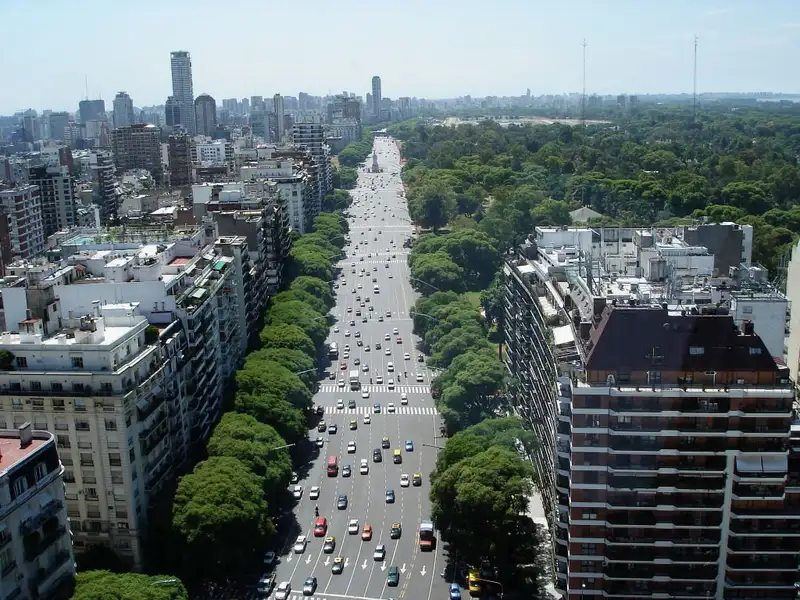
Recoleta Cemetery is not an isolated element but a key piece that completes the neighbourhood’s cultural landscape. Its presence lends a sense of solemnity and permanence to the Recoleta area, integrating with the other historical and cultural landmarks of the zone. The relationship between this site of memory and the surrounding streets creates a thematic continuity for those seeking to explore Buenos Aires’s identity.
Situated at a pivotal point in the city, the cemetery acts as a link between the urban past and present. Its preservation and value as a site of cultural interest position it as an essential component of Buenos Aires’s heritage, offering a historical dimension that complements the neighbourhood’s cultural and architectural offerings.