Biblioteca Nacional Mariano Moreno
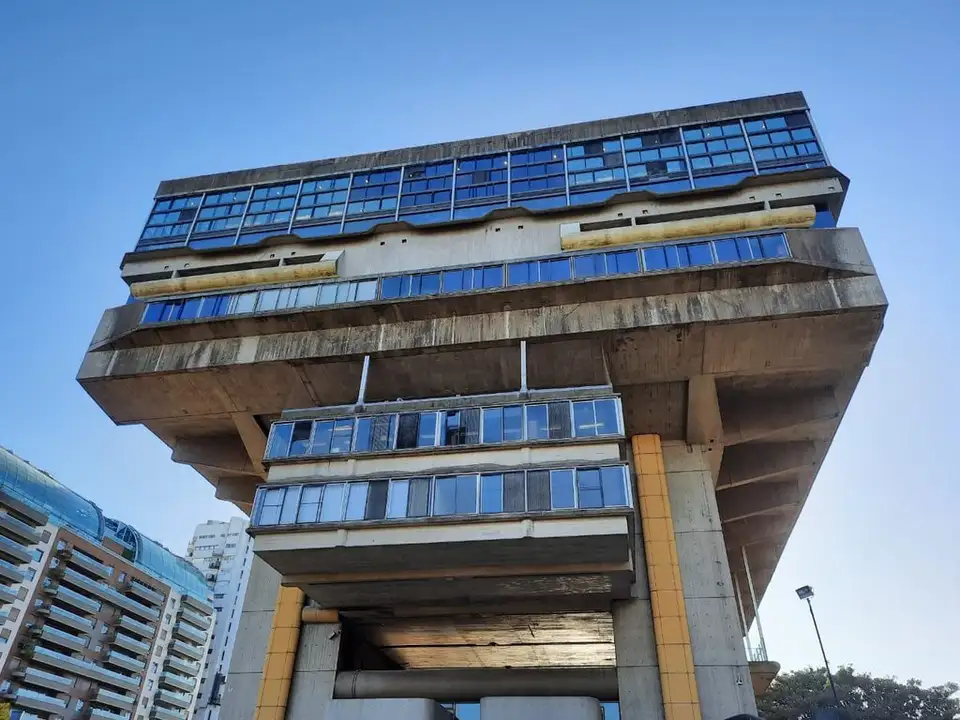
The Biblioteca Nacional Mariano Moreno stands as one of the most distinctive architectural landmarks in Buenos Aires. Located in the Recoleta neighborhood, this structure is not merely a repository of books but a fundamental example of the brutalist movement in Latin America. Its presence in the City of Buenos Aires marks a point of reference where the monumentality of concrete and the functionality of public space converge to house the country’s written memory.
Architecture and structure
The building stands out for its bold design, characterized by the extensive use of exposed concrete. The architectural approach moves away from the traditional forms of classical libraries to offer a complex volumetry that challenges the perception of urban space. This brutalist aesthetic, with its heavy lines and raw textures, allows the construction to engage with the Recoleta surroundings from a perspective of modernity and solidity. The arrangement of its levels and the integration of visible structural elements form part of a visual identity that is inseparable from its function as a center of knowledge.
Exploring the collection
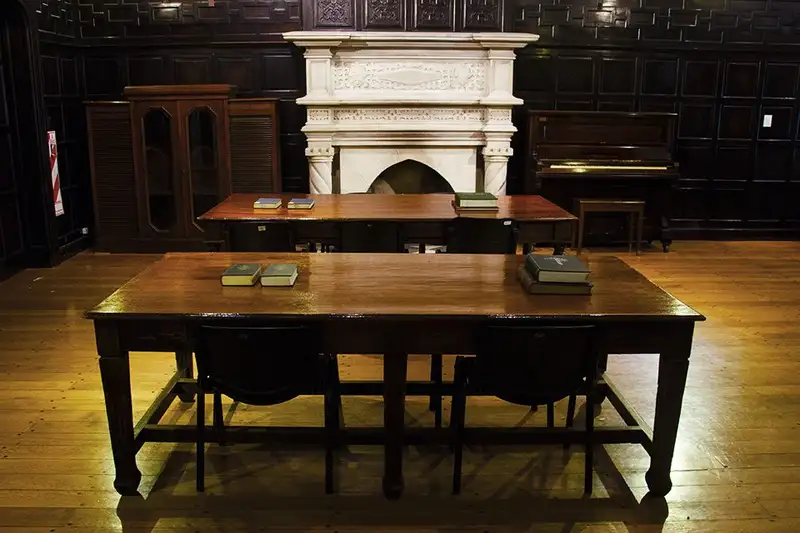
Moving through its facilities means entering a space designed for preservation and study. The internal organization of the building allows for a transition between consultation areas and the sections dedicated to the custody of bibliographic holdings. Walking through its corridors, one perceives the monumental scale of its halls, where light and shadow play a crucial role in the atmosphere of concentration the place demands. The design aims for visitors to experience the library not merely as a building but as a container of history and universal culture.
Integration with the cultural environment
The Biblioteca Nacional functions as an essential node within Buenos Aires’s cultural fabric. Its location in Recoleta connects it with other centers of historical and academic importance in the city, consolidating the area as a hub of intellectual interest. As a space that links Argentine history with access to global knowledge, its relevance extends beyond the purely academic to become an element of urban identity. The structure integrates into the porteño landscape, contributing a dimension of permanence and respect for the national bibliographic legacy.