National Historical Museum of the Cabildo and the May Revolution
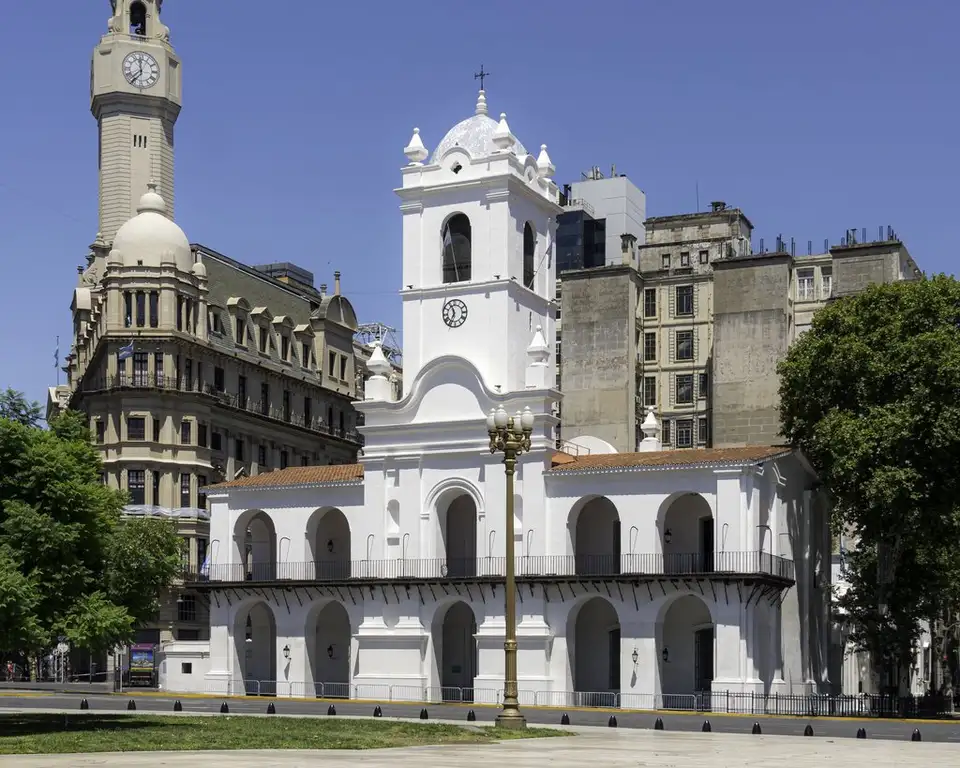
Located in the heart of the Monserrat neighbourhood, the National Historical Museum of the Cabildo and the May Revolution stands as one of the oldest architectural testimonies in Buenos Aires. This building, which originally served as a cabildo and seat of colonial power, is a fundamental point of reference for understanding the transition from viceregal administration to Argentine autonomy. Its presence at the intersection of Bolívar and Avenida de Mayo places it at the very core of the city’s foundational history.
Architecture and colonial memory
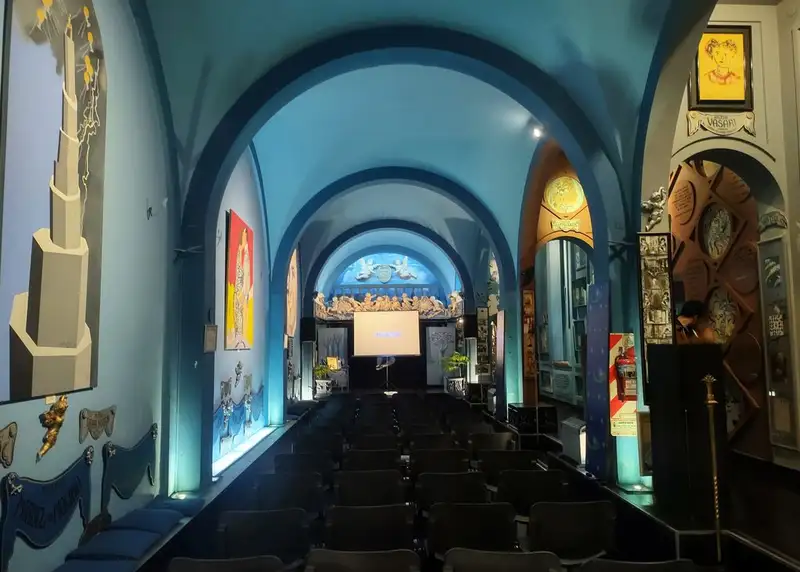
The building features colonial-style architecture that evokes the era of Spanish administration in the Río de la Plata. The structure, with its characteristic forms reminiscent of a chapel or ancient administrative seat, houses rooms where pieces of great heritage value are preserved. Walking through its rooms allows visitors to observe how the layout of the space reflects the functions this building served as a centre of political and social decision-making during the colonial period.
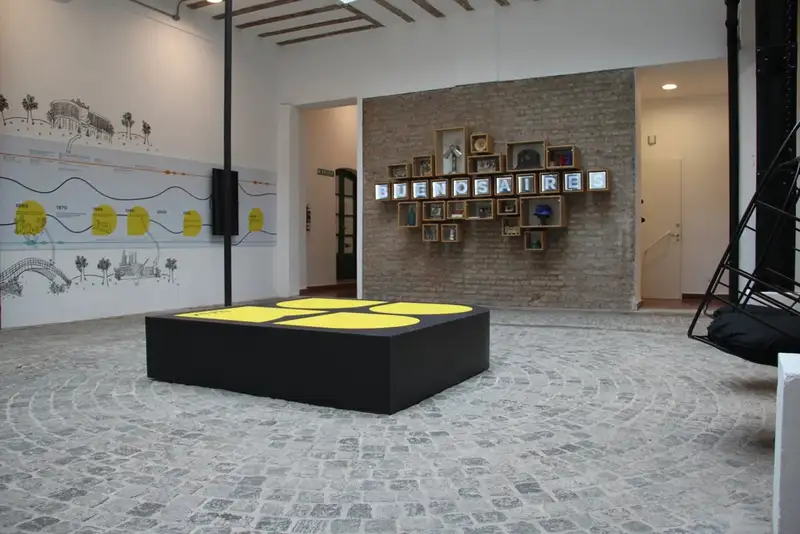
The visit offers direct contact with the material elements of Argentine history. Through exhibitions that incorporate interactive technology, the museum seeks to modernise the learning experience without losing the sobriety its content demands. The rooms present objects and documents that narrate the process of breaking with Spain and the formation of the new political order.
The story of the May Revolution
The museum’s thematic core focuses on the events of May 1810. The tour is designed to guide visitors through a timeline that connects the role of this building with the revolutionary events. The exhibitions detail how the Cabildo was the setting for the tensions and agreements that gave rise to the creation of the first patriot government.
For those seeking to deepen their understanding of the historical context, guided tours are available that thoroughly explain the chronology of the revolution and the strategic importance of this building as the original seat of power. The arrangement of the pieces aims for visitors not only to observe objects, but to understand the political dynamics of a Buenos Aires seeking its independence.
Context in the historic centre
The museum integrates fully with the immediate surroundings of Plaza de Mayo and the wider city centre. Its location connects it naturally with other cultural landmarks and historical monuments in the area, enabling an itinerary that traces the urban memory of Buenos Aires. The proximity to emblematic buildings such as the Casa Rosada and various art museums consolidates this district as the axis of the city’s historical identity.