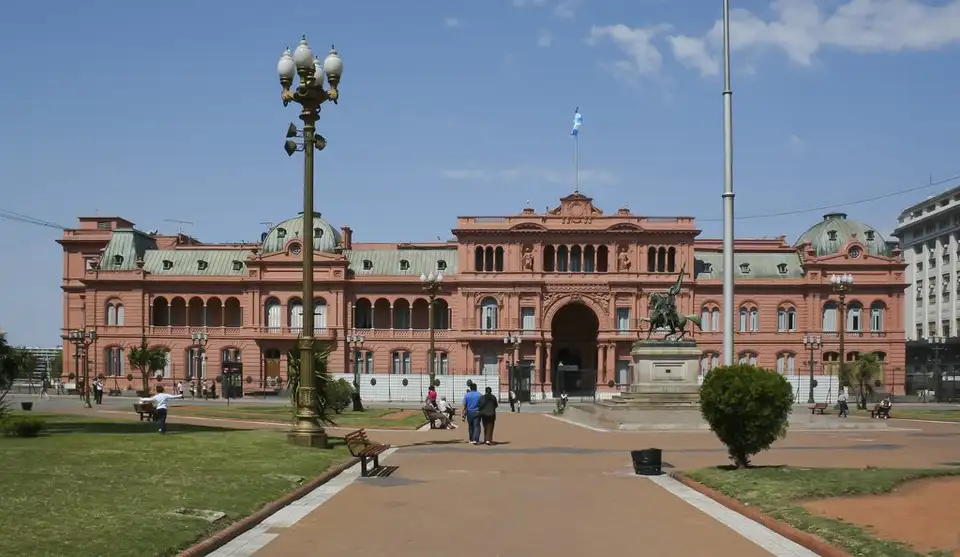
Museo Casa Rosada
Located in the heart of the Monserrat neighbourhood, the Museo de la Casa Rosada serves as a fundamental annex for understanding Argentina’s institutional trajectory. The space is not a standalone construction — it sits atop the former galleries of what was the Aduana de Taylor, weaving itself into the historical fabric of Buenos Aires. Its significance lies in its capacity to give material form to the country’s political memory, offering a direct link to the objects and documents that passed through the different stages of the Republic’s presidency.
Presidential heritage and collections
The core of the museum’s offering is its extensive collection of historical objects. The museum displays approximately 10,000 pieces that formed part of the holdings of various Argentine presidents. These belongings, originally from the Colección Presidencial Casa Rosada, allow for a close look at the daily life and symbols of power of the different administrations. The exhibition includes furniture and documents as well as personal items that help reconstruct the context of each term in office.
The significance of this collection lies in its authentic character: these are not replicas, but objects that were direct witnesses to the country’s political processes. Walking through its rooms, one perceives the transition between the different eras of Argentine history — from the earliest periods to the contemporary age — all under one roof that preserves the legacy of multiple heads of state.
The route through the former galleries
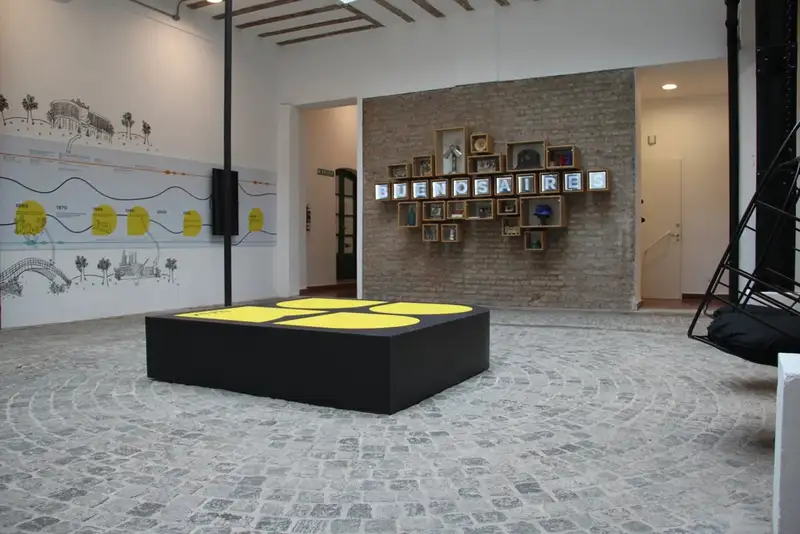
The visit unfolds through an architectural structure that retains the character of the former customs dependencies. The route takes visitors through spaces that, while today serving a cultural function, maintain the scale and layout typical of Buenos Aires’s historic galleries. The arrangement of the rooms invites an unhurried passage through the different thematic axes that organise the presidential collection.
The museum has passed through various stages of institutional identity, also reflecting shifts in the country’s public administration. From its inauguration in May 2011 under the name Museo del Bicentenario, through its successive renamings and restructurings, the space has consolidated itself as a reference point for understanding the evolution of the Argentine state. The experience of visiting it means immersing oneself in a narrative where objects act as bridges between the institutional past and the present.
Context in the historic centre
The museum is fully integrated into the surroundings of Comuna 1, situated in an area where the administrative and cultural history of Buenos Aires converges. Its proximity to other landmark sites in the city centre makes it a key piece within the circuits of historical walks through Monserrat and San Telmo. The presence of this museum reinforces the heritage character of the area, connecting the institutional activity of the Casa Rosada with the cultural life of the city.