Librería de Ávila
Located at the intersection of Adolfo Alsina and Bolívar streets, in the heart of the Monserrat neighbourhood, Librería de Ávila functions as a direct link to the origins of the city. It is not merely a bookshop; it is a space that has remained in operation since the late eighteenth century, serving as a first-hand witness to the urban and political transformations that shaped Buenos Aires.
From apothecary to paper
The identity of this place has deep roots in the colonial era. Its history began in 1785, when the pharmacist Francisco Salvio Marull established a modest shop with adobe walls and a thatched roof. At the time, the site was known as «La Botica», a space dedicated to the sale of medicinal herbs. Over time, the nature of the premises shifted to include goods typical of a pulpería — charque, gin, and yerba — but it was the addition of books that ultimately defined its cultural character.
This process of transformation allowed the establishment to become a gathering point for Buenos Aires’s intellectual circles. The arrival of religious titles and, later, copies circulating the ideas of the French Revolution lent the place considerable political and social weight. By 1801, this same site was also where «El Telégrafo Mercantil», Buenos Aires’s first newspaper, began to be sold.
An epicentre of Argentine history
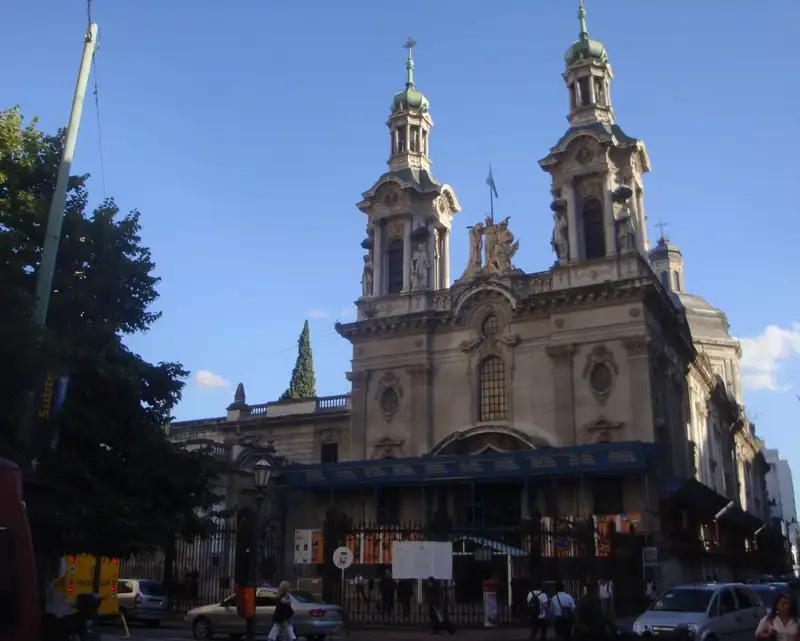
The significance of the bookshop cannot be understood without its immediate surroundings. Its strategic location, just metres from the Plaza Mayor and surrounded by key institutions such as the Manzana de las Luces, the Iglesia de San Ignacio de Loyola, and the Colegio Real de San Carlos, placed it at the centre of the revolutionary pulse. In its vicinity, figures central to Argentine independence — among them Mariano Moreno, Manuel Belgrano, and Juan José Paso — frequented the area, taking part in debates that would culminate in the May Revolution of 1810.
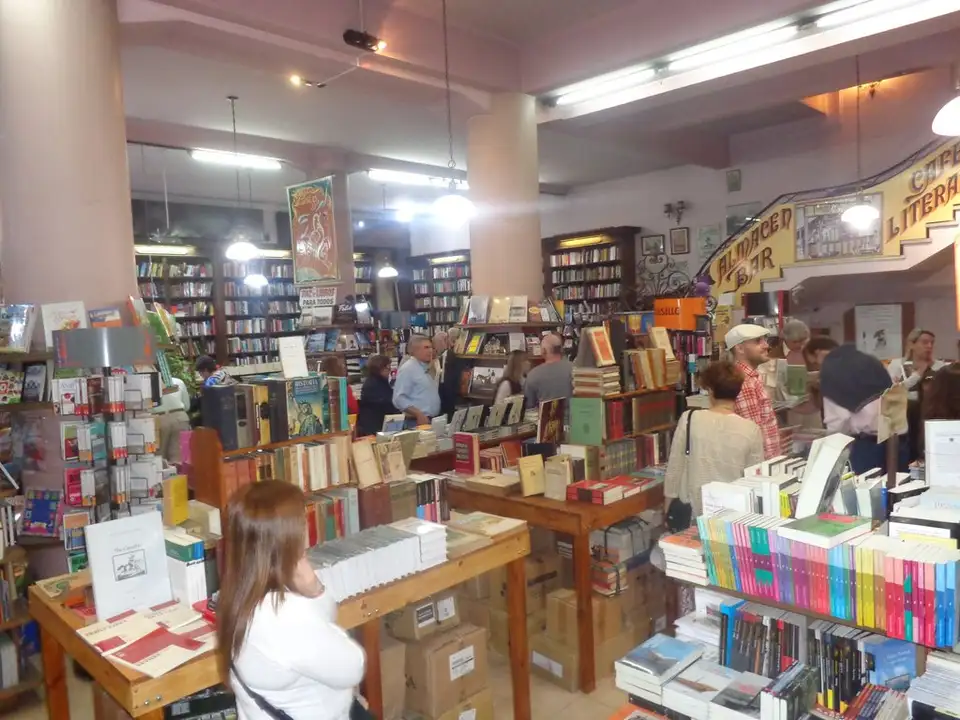
Moving through this space means immersing oneself in an atmosphere of nostalgia where more than 100,000 volumes coexist. The collection ranges from rare books to curiosities that form part of the national cultural heritage, offering a journey through the printed memory of the region. The setting, far from the grandeur of other modern bookshops, provides an unhurried browsing experience among shelves that hold the legacy of the old Buenos Aires.