Catedral Primada de Buenos Aires
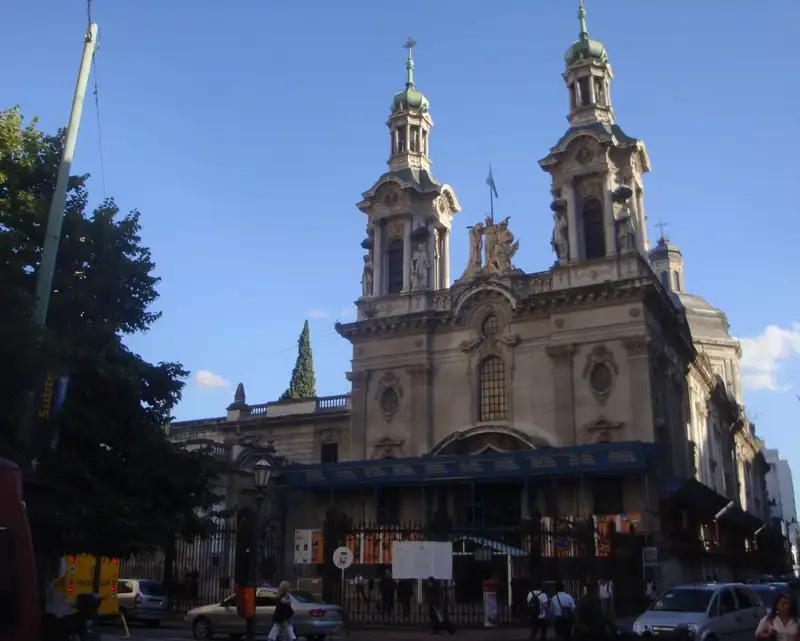
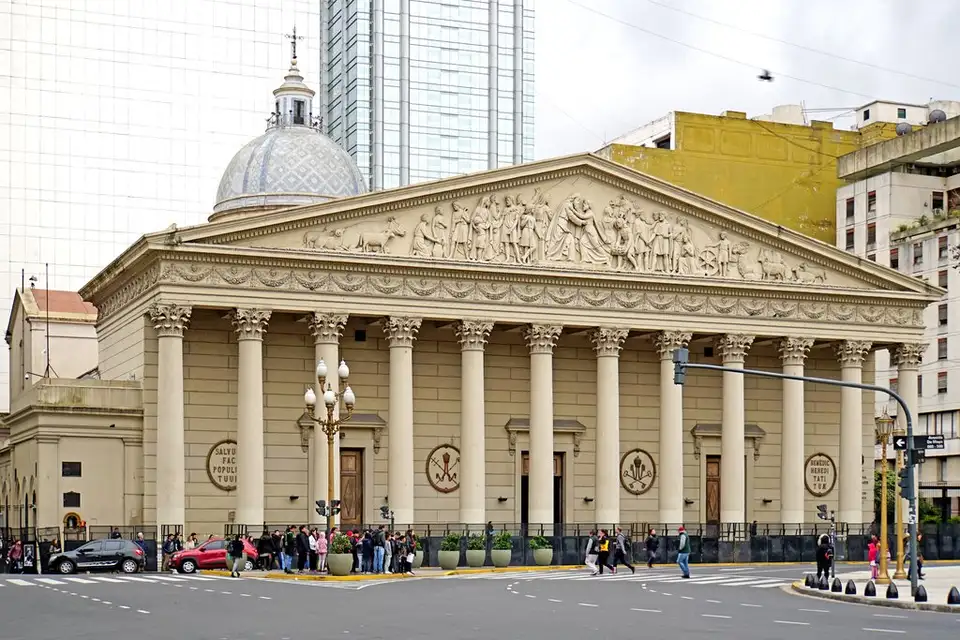
The Catedral Primada de Buenos Aires stands as a fundamental pillar in the historical fabric of the city’s founding district. Located across from Plaza de Mayo, its presence marks the point where colonial history and republican consolidation meet. This building, declared a National Historic Monument in 1942, is not only a religious seat but a physical testament to the successive transformations Buenos Aires has undergone since its origins.
A legacy of reconstructions and styles
The significance of this site lies in its temporal continuity. The current building is the sixth church erected on the plot that Juan de Garay designated when he drafted the city plan in 1580, under the dedication of the Holy Trinity. The history of the site is defined by fragility and resilience: following a total collapse in 1752, a new structure was planned in pursuit of greater permanence.
Architecturally, the church presents a transition of styles reflecting the European currents that reached the country. The current facade, designed in 1822 by the French architect Próspero Catelin, has a pronounced neoclassical character that gives it an appearance more civic than purely religious. This portico is complemented by the frontispiece completed between 1860 and 1863 by Joseph Dubourdieu, which depicts the meeting of the patriarch Jacob with his son Joseph, adding a narrative dimension to the ensemble.
Artistic treasures and institutional memory
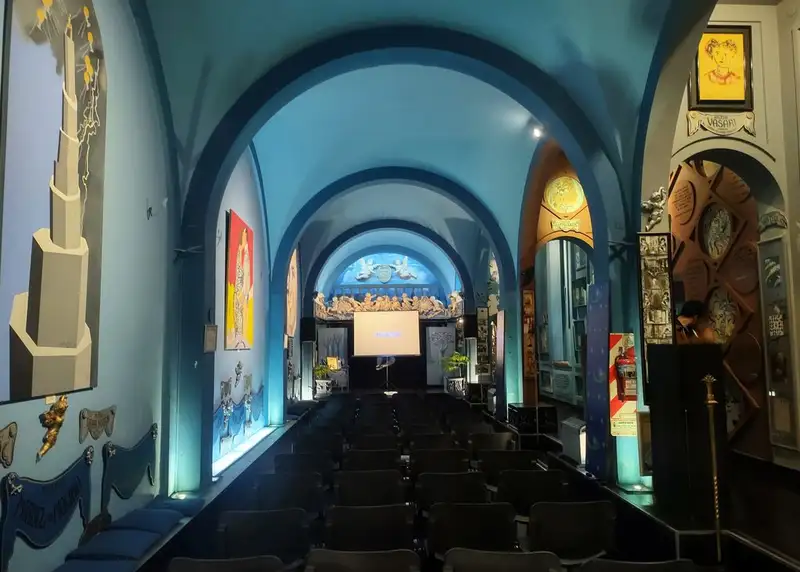
The cathedral’s interior houses pieces that are essential to understanding the artistic heritage of Buenos Aires. Among its most notable elements are the imposing altarpieces, the high altar by Isidro de Lorea, and religious figures of great antiquity such as the image of the Virgen de los Dolores and the Santo Cristo de Buenos Aires, the latter dating to the seventeenth century. The presence of a pipe organ adds a unique sonic dimension to the experience of the space.
A tour of its premises allows visitors to connect with the political memory of the nation. The complex houses the Mausoleum of San Martín, inseparably linking religious observance with the history of Argentine emancipation. The visit also includes access to its crypt and museum — spaces that allow for a deeper appreciation of the building’s monumental scale.
Context at the heart of the city
The cathedral functions as a node of identity within the Monserrat neighborhood and the Buenos Aires city center. Its strategic location at the intersection of San Martín and Rivadavia streets places it at the epicenter of the social and political movements that define Buenos Aires. Facing Plaza de Mayo, the church acts as a silent witness to Argentine public life, integrating its spiritual value with the daily pulse of the capital.