Tierra del Fuego National Park
Tierra del Fuego National Park is one of the strongest natural landmarks of the Patagonian Austral region and Tierra del Fuego Province, with 68,909 hectares protected in the Patagonian Forest ecoregion. Its legal designation as a protected area dates back to 1960 under Law No. 15.554/60, which helps explain its central role in conservation at Argentina’s southern edge.
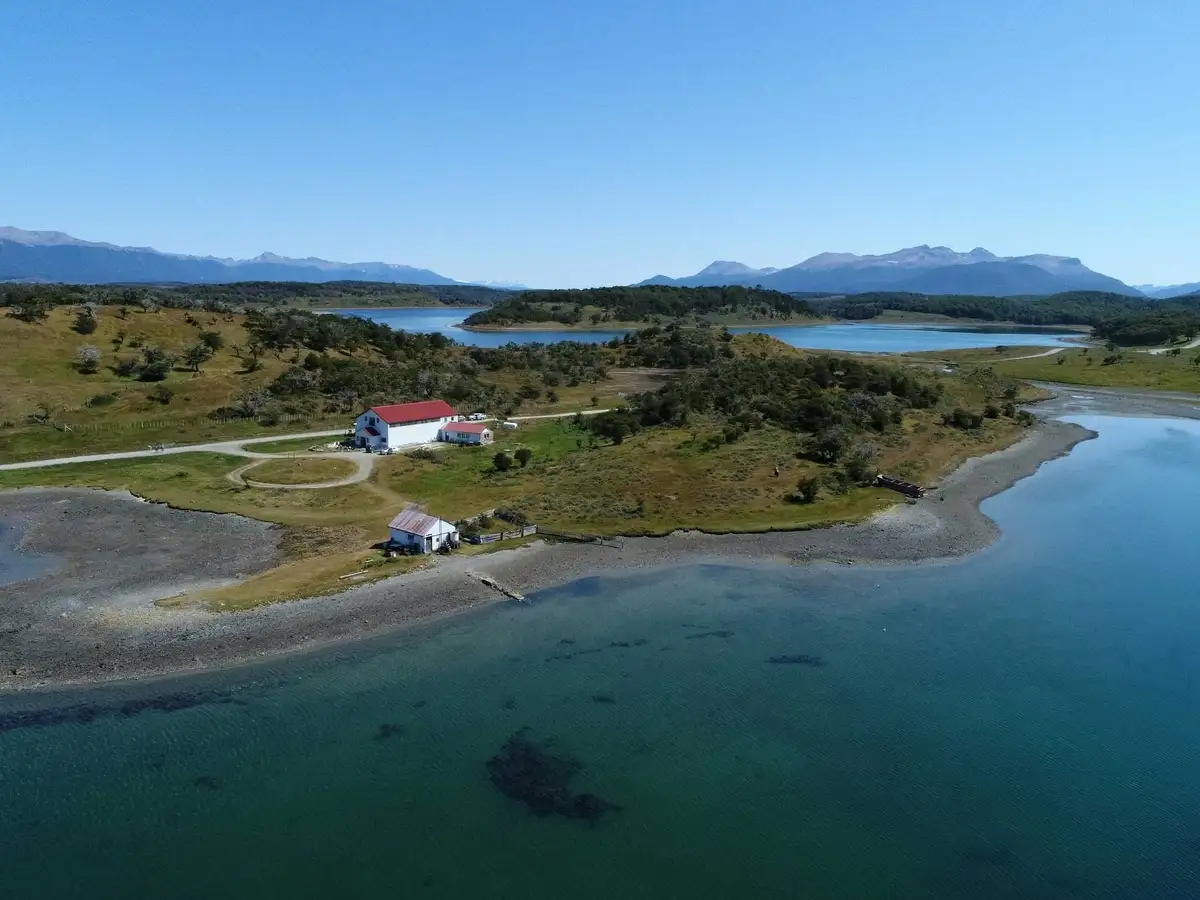
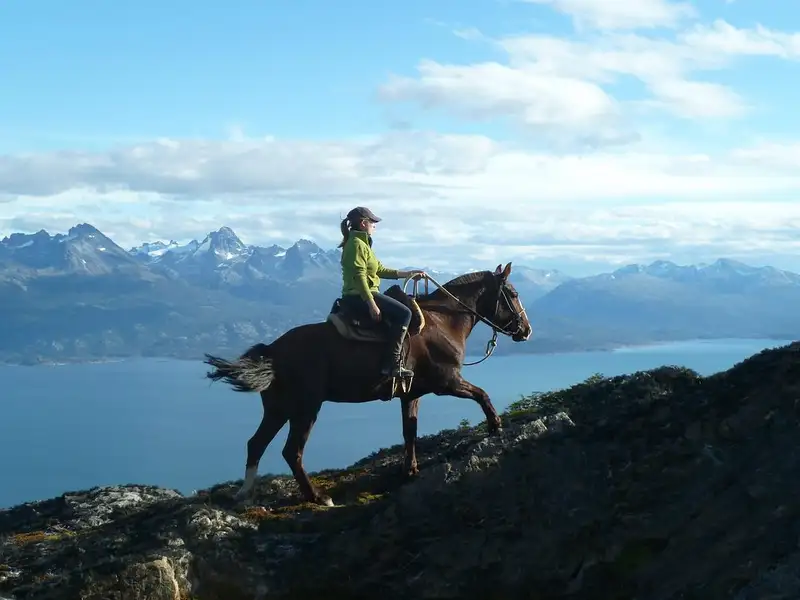
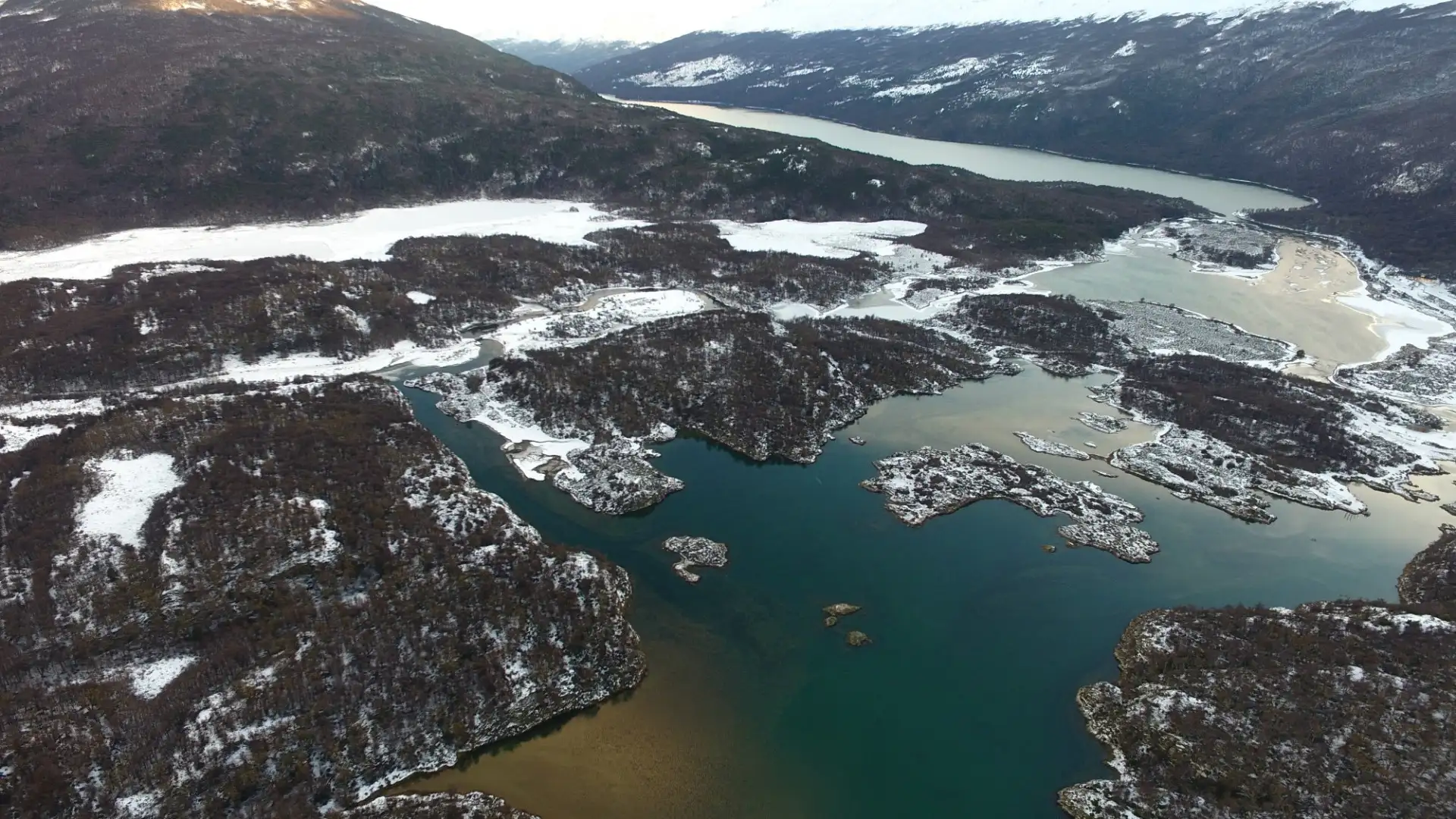
More than a scenic landscape, it is a place of transition geography: in the final stretch of the Andes, the lower foothills meet the sea in the Beagle Channel. Its “end-of-the-world” position gives the park a unique ecological character, combining marine coast, lakes, valleys, and extensive peat bogs in one protected setting. Along this shoreline, Bahía Lapataia stands out as the only Argentine fjord of the channel, along with Ensenada Zaratiegui.
The place also carries historical resonance. The name of the land is tied to firelight signals lit by the yámana people, the original inhabitants, and to the impression those fires left on early explorers. This is not just symbolic color: it reflects a long human relationship with a remote, cold, highly seasonal environment.
The park’s biology reinforces its role as a bridge between land and sea. In the woods, lenga forests dominate and turn an intense red in autumn; in wetter sectors, canelo and guindo (Magellanic coihue) are also present, adapted to these southern conditions. Along peatland edges, Sphagnum magellanicum grows with ñires. This vegetation supports varied fauna: among mammals, guanacos, neotropical otters (huillín), and the Fuegian red fox are present; near coastal and aquatic zones appear birds such as the black-necked swan (caranca), black-browed albatross, austral steamer duck (quetro), oystercatchers, gulls, and skuas, while forests and nearby areas host cachaña, great spotted woodpecker, rayadito, and Patagonian thrush.
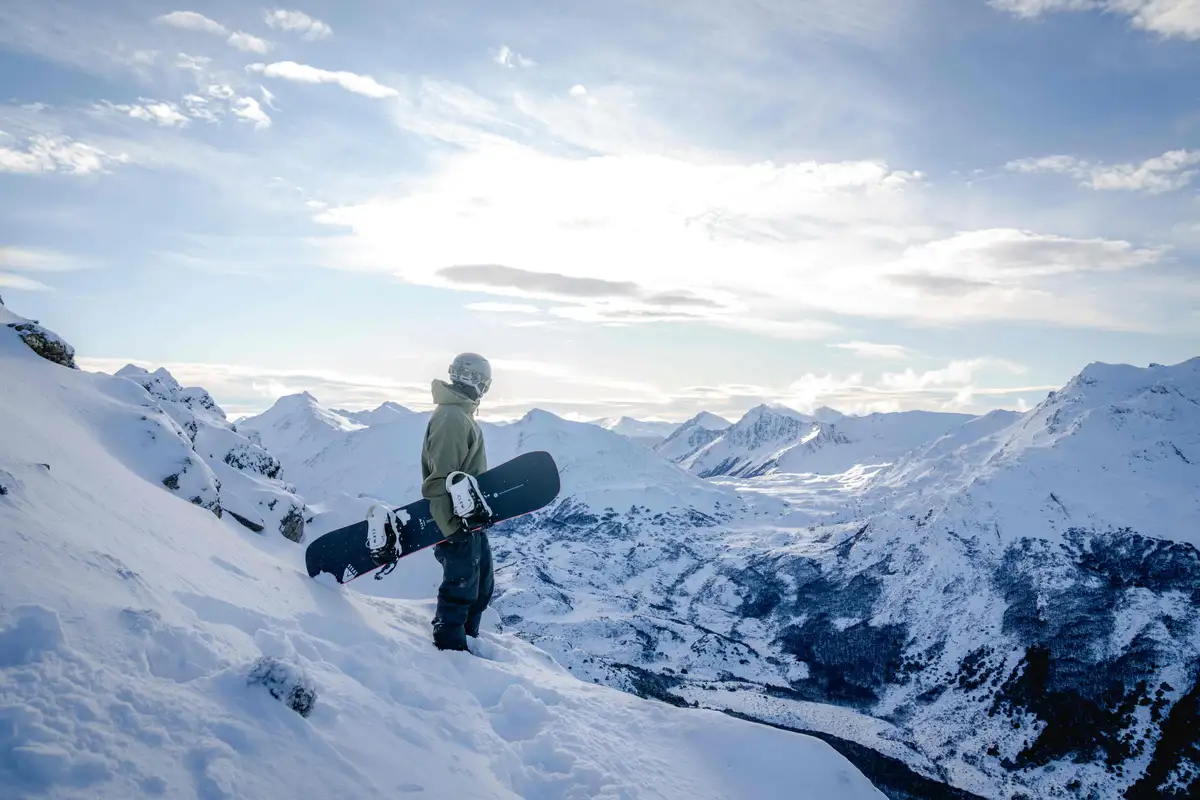
The park is also shaped by a subpolar climate: it is cold and humid, with low annual thermal amplitude (7.5 °C), an average annual temperature of 5.6 °C, and precipitation spread across the year. Snow is abundant, and in mountains and inner valleys it can persist from May through September. From the park’s general guidance, late October to April is usually the most accessible period for visits.
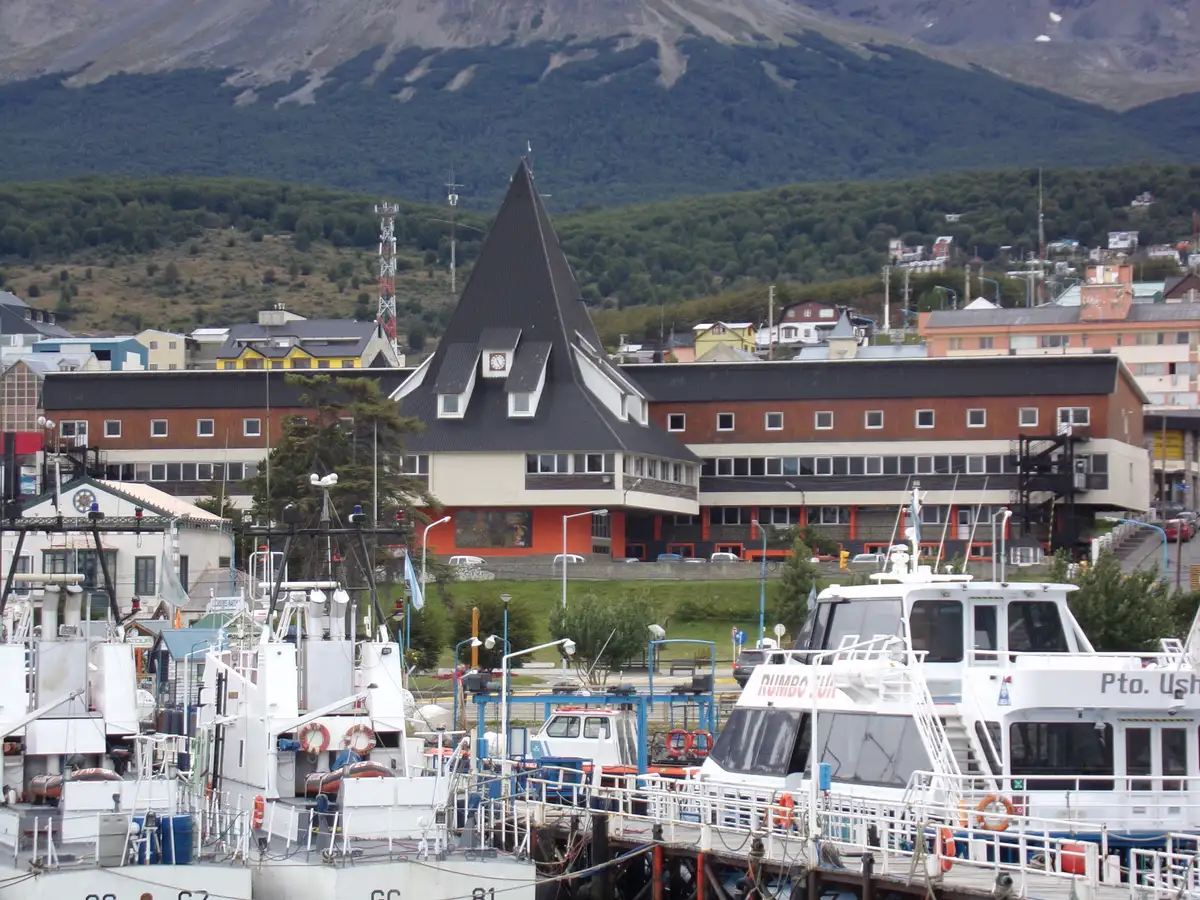
Although appreciated for forest and coastal walks, the park’s strategic importance for the Ushuaia region is broader than recreation. It is also framed as a gateway context for Antarctica-bound excursions. From a travel standpoint, that makes it a key destination story: not only admired for isolated beauty, but also for how it gathers, within one protected area, the broad character of Tierra del Fuego.