Brasileiros Em Ushuaia
Ushuaia stands as a key node at the southern tip of South America, serving as the gateway to Antarctica and a strategic point on the coast of the Beagle Channel. In this southern frontier context, where the Andes mountain range meets the waters of the channel, there are spaces that facilitate the integration of regional visitors. Brasileiros Em Ushuaia emerges as a reference for those seeking to navigate the complexity of the world’s southernmost city, integrating the travel experience with the specific needs of a steady flow of travelers from Brazil.
The Context of the Southernmost City
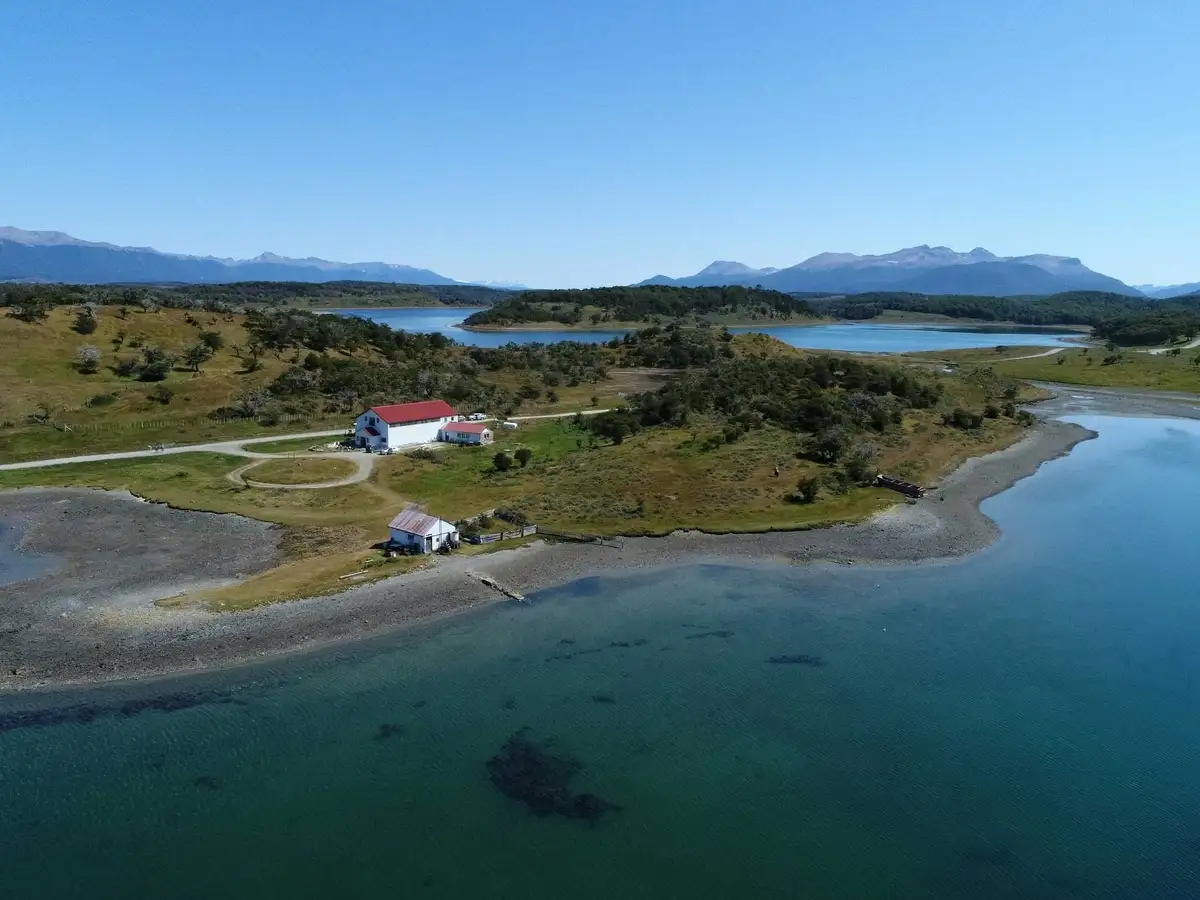
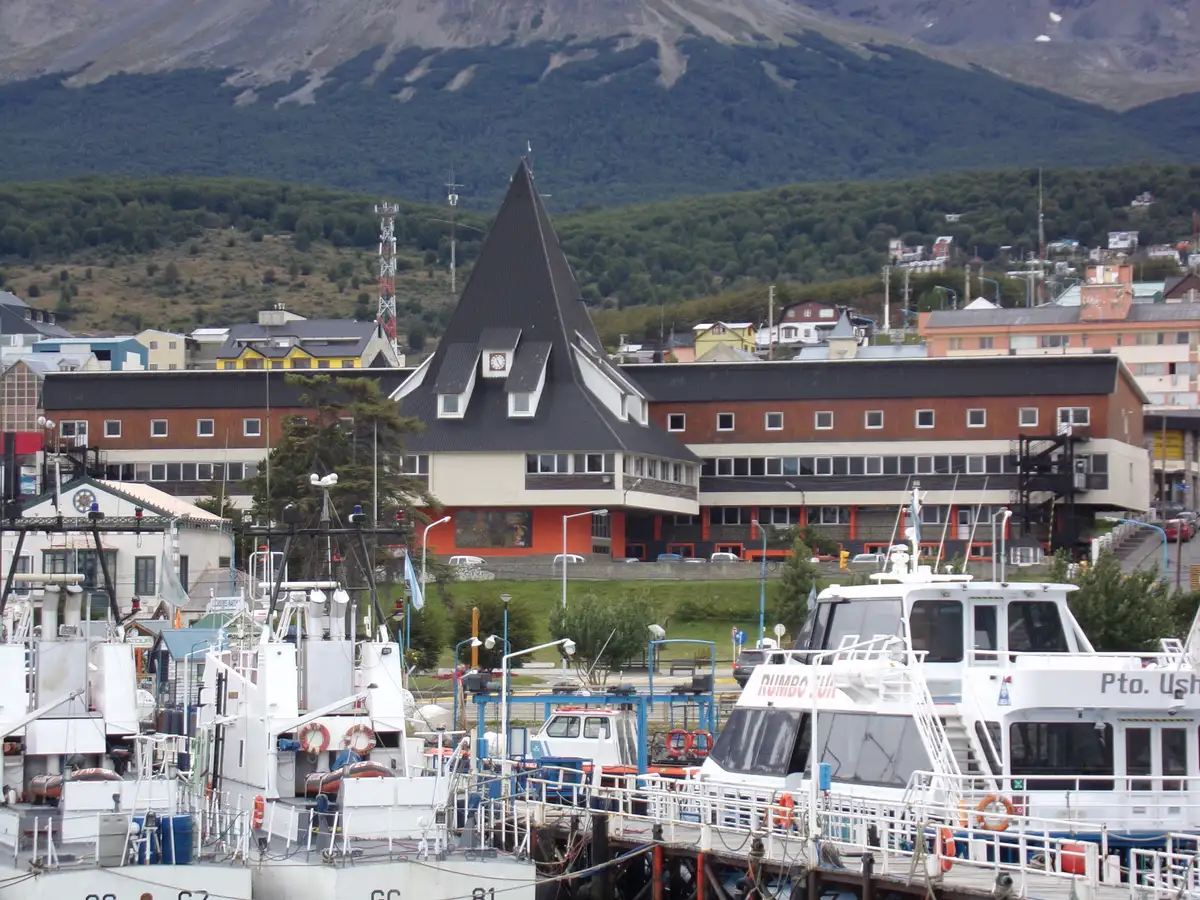
Ushuaia’s location is decisive for understanding its dynamics. Positioned on the western side of the Andes and the only Argentine city at this latitude, it offers a particular geography where the Martial mountain foothills dominate the northern horizon. The city extends in an elongated form between these mountains and the Beagle Channel, defining an environment of rugged landscapes and architecture that, in certain areas, evokes Scandinavian styles, setting it notably apart from other towns in southern Argentina.
Historically, the area has passed through various stages: from its origins as a missionary base and penal colony — where the former prison served as a place of confinement for dangerous criminals — to becoming an administrative, industrial, and port center. This evolution has transformed the city into a meeting point where international cruise ships, winter tourism activities, and infrastructure prepared to receive visitors from across the continent converge.
Regional Connection and Mobility
Reaching this edge of the world is defined by air connectivity, which links Ushuaia to major urban centers. For travelers arriving from Brazil, there are routes connecting cities such as São Paulo, Porto Alegre, Curitiba, and Rio de Janeiro to the local international airport, generally with a technical stopover in Buenos Aires. This fluidity in transportation is what sustains the vitality of a destination that, despite its geographic isolation, maintains constant communication with the rest of the country and the region.
Overland access, though possible via Route 3, represents a logistical challenge given the distances involved in crossing Patagonia. However, Ushuaia’s importance as a base for excursions into Tierra del Fuego National Park and its role in navigation toward Antarctica consolidate its territorial significance. The surroundings, characterized by their biodiversity and monumental scale, provide a framework where local identity intertwines with that of the visitors who arrive seeking to explore the limits of the continent.