Cerro Castor, Ushuaia's Ski Center
At the edge of Argentina’s far south, Cerro Castor is presented by its own site as the core winter-ski destination for visitors to Ushuaia. On the official pages, the center is framed around seasonal operations and ticket/rental access, including advance passes and promotions, reinforcing its central role in the local snow tourism offer.
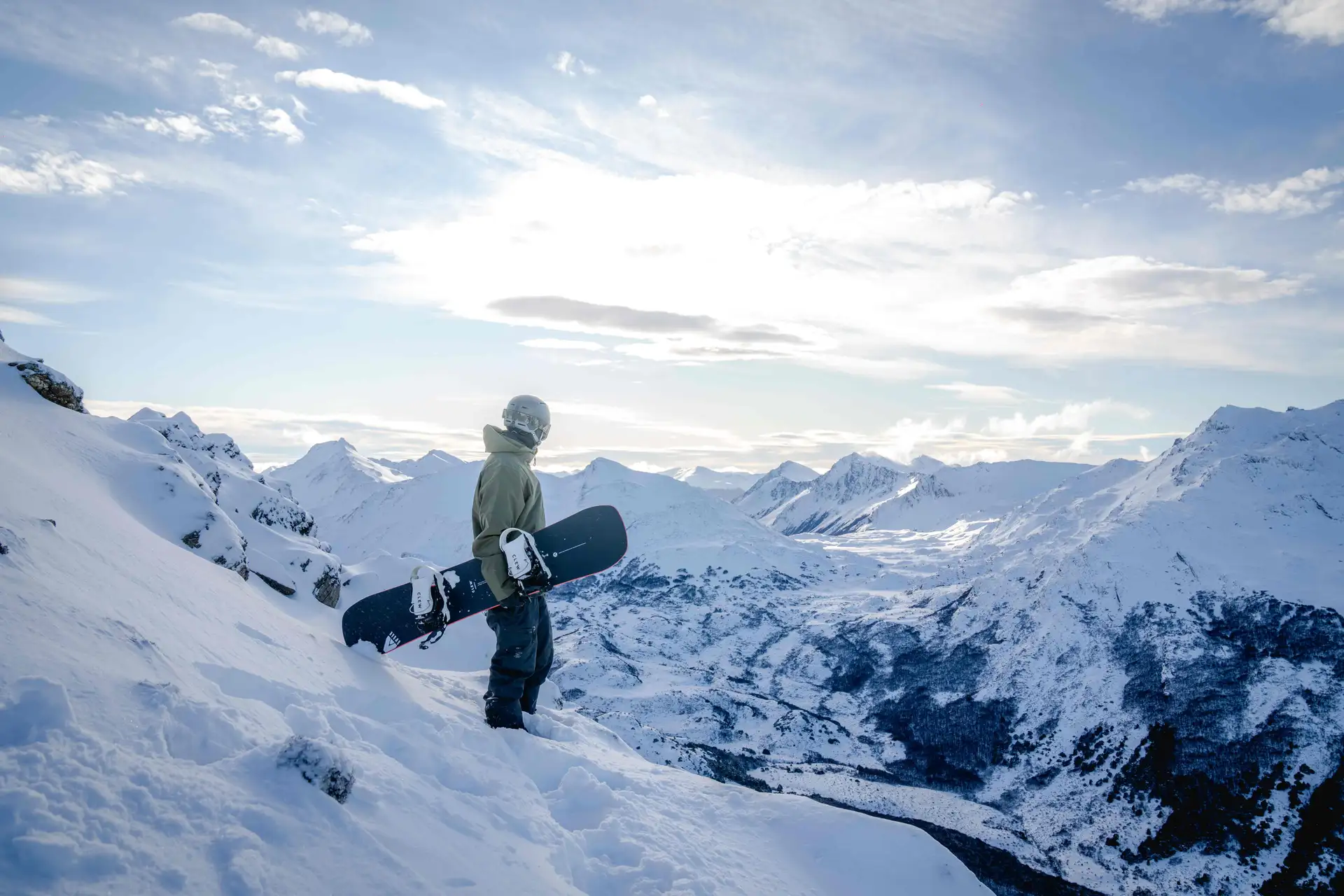
Geography is the key attraction. The station states that it is located 26 km from Ushuaia on National Route 3, with fully paved access. That location detail matters: it is not an isolated or difficult-to-reach outpost, but a feasible full-day option for people in the city who want mountain snow without a complex transfer. The center also emphasizes that its conditions are especially favorable for skiing due to the southern-facing slope and a high latitude of about 54°, compared in its copy to Moscow in the Northern Hemisphere.
From its own description, snow quality is framed as the main differentiator. The combination of latitude and slope orientation is explicitly used to explain why conditions are presented as especially good during the winter season. In a compact tourism market like Ushuaia, this gives Cerro Castor practical weight as a base choice when cold stability and winter continuity are priorities.
The station is described as a seasonal product and notes that ski operations are available only in winter. At the moment of publication, the site reports that the ski center is currently closed, which underscores that operations are tied to seasonal scheduling and the year’s public timetable. For destination content, this means operational details should be treated as time-sensitive and verified against the current season before publication of practical recommendations.
Beyond skiing itself, the station also presents complementary services: equipment rental, a mountain shop, dining points, a skating rink, and a ski school with base and Cota 480 areas. The mention of different service time blocks suggests a full-day structure for combining activity, breaks, and logistics in one place. No explicit map of trails, lifts, or full technical infrastructure is provided in the captured sources, so the editorial angle stays on the overall visitor experience and destination logic.
From a trip-planning perspective, Cerro Castor can be treated as a decision node for travelers wanting snow during a Ushuaia visit without a long transfer. The 26 km distance, paved route, and the site’s note that access to Ushuaia is commonly by flights from Buenos Aires and charters from Brazil help place it in the broader regional itinerary context. These notes relate to reaching Ushuaia and should be interpreted as travel context.
In its own copy, Cerro Castor also highlights mountain-resort life: promotions, lessons, and weekend activities. This indicates the offer is not only piste time but also participation in a broader mountain micro-environment with shopping, food, events, and school programs, important for families, groups, and travelers who value convenience and shared rhythm.
Because of its location and how it frames its offering, the center integrates into Ushuaia’s identity as an accessible winter destination with a strong seasonal rhythm. It is a solid anchor for winter itineraries and discovery content, with the caution that seasonal operation details should always be checked for the active season.