Club Andino Ushuaia
Club Andino Ushuaia is an organization with both a sports and social identity located in Ushuaia, the capital of Tierra del Fuego, Argentina. It is not framed as a single-discipline club; rather, it functions as a platform for comprehensive training for people who practice mountain sports and outdoor activities, with an associative membership model and a community focus from its origin. On its official site, it is defined as a non-profit institution, which helps explain its longevity and emphasis on community purpose rather than purely commercial operation.
The official history dates its founding to November 4, 1956, started by twelve people passionate about mountains and mountaineering. That founding date and grassroots origin remain central to its narrative: it is presented less as a new brand and more as an organization with institutional memory, sustained goals, and adaptable activity offerings. Its current messaging is consistent: to accompany and train people who choose nature as a setting for learning and personal growth.
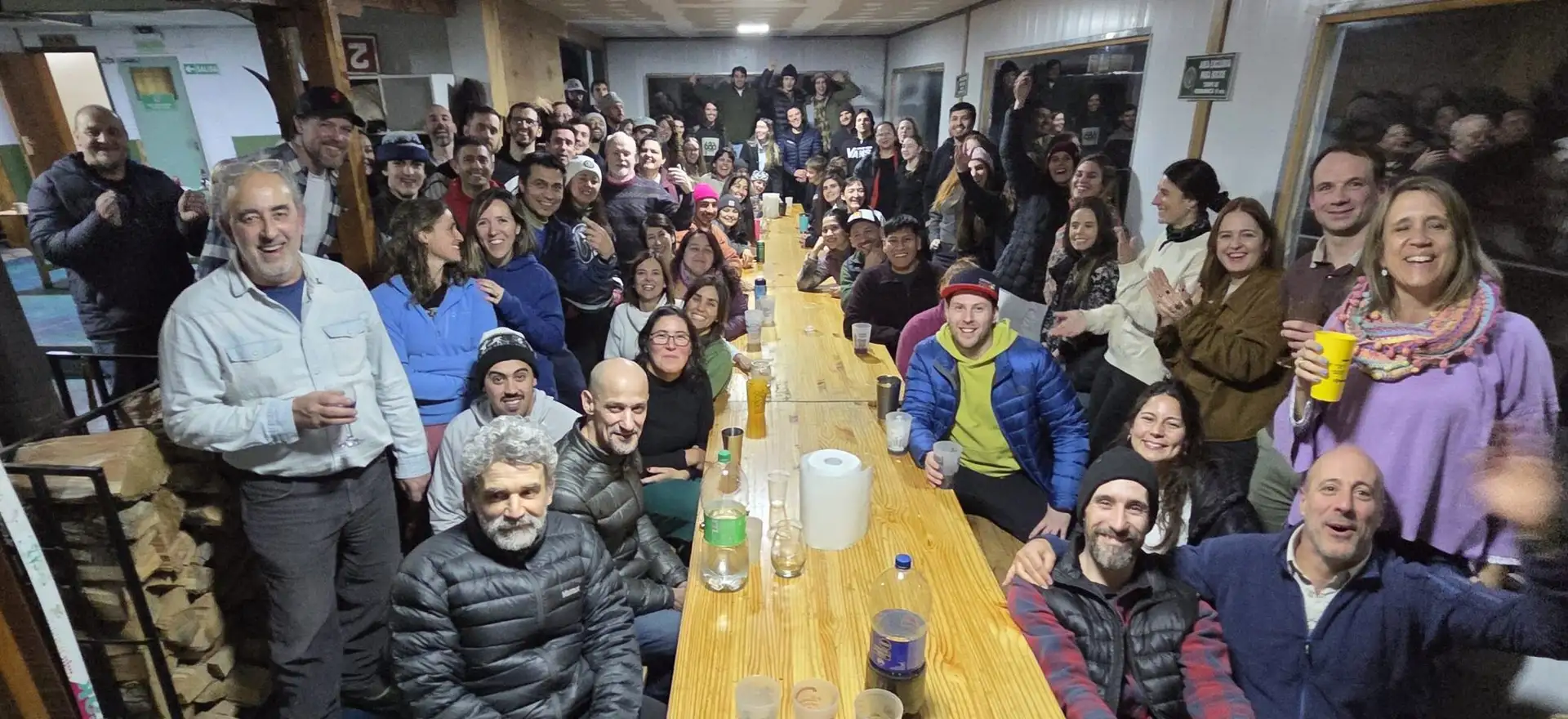
The club is presented as a community that balances sport and belonging. This balance between performance and social cohesion appears in its values and educational framing: companionship, discipline and consistency. These ideas run through its programs and school offerings. In practice, its activity ecosystem is broad rather than narrow, with space for youth, families, and athletes in progress, across activities of different levels.
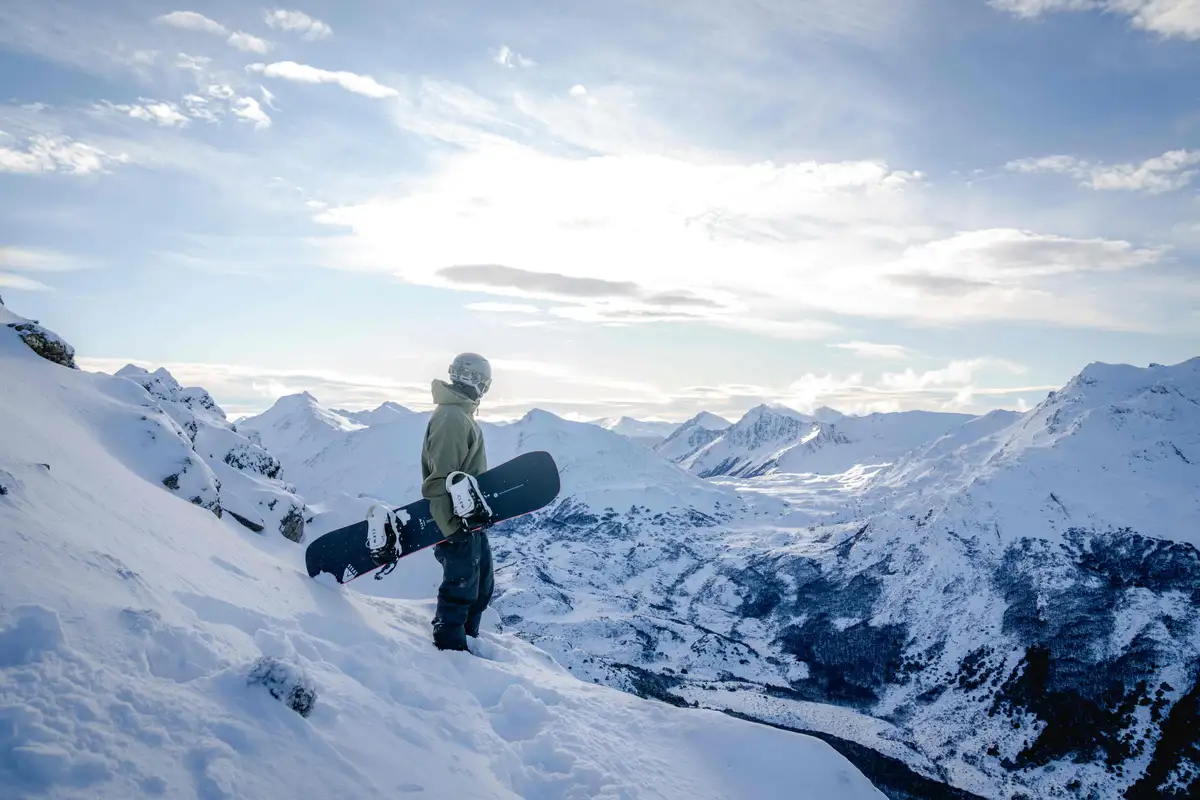
In its own website, the institution notes a historical expansion of disciplines that today includes artistic figure skating, ice and inline hockey, skiing, snowboarding, climbing, trail running and cross-country skiing, among others. In Ushuaia, where seasonality shapes outdoor life, the Club works as a continuity node across winter sports and broader mountain activity, offering routes for different profiles and skill levels. Its school model is also organized by discipline (for example mountain biking, climbing, snowboarding and mountain school), indicating a structured educational approach rather than isolated offerings.
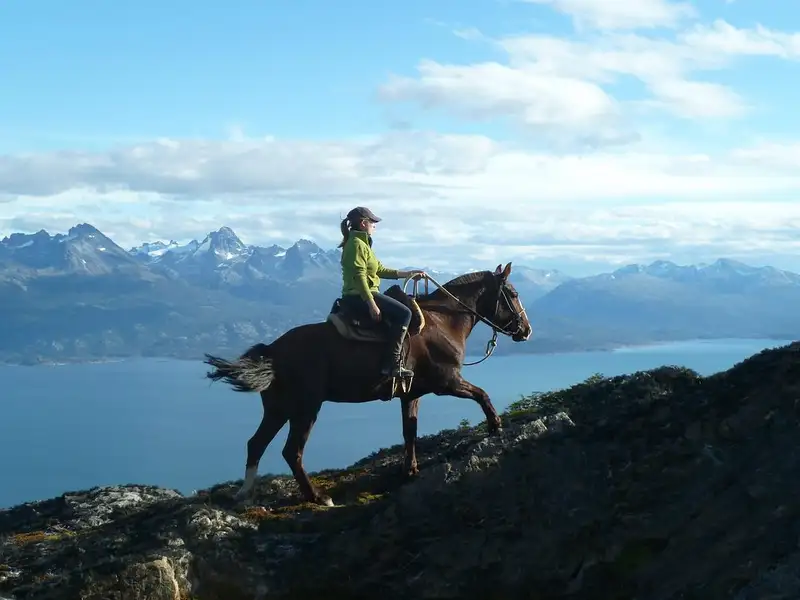
Another distinct element is its relationship with the surrounding territory. In its statute and public statements, the Club maintains goals that go beyond competitive sport: building and maintaining access infrastructure in the Andes through trails, routes and refuges; collaborating with tourism to make the region’s landscapes better known; and promoting conservation of local native flora and fauna. Mountain rescue or assistance is also included as a foundational activity. This places the Club as a social and civic actor in addition to being a sports institution.
The club states that its founding document remains essentially valid and frames its mission in three pillars: promoting sport and physical activity, providing a space for socialization among members, and protecting the natural environment. From an experience perspective, this means an institution that combines historical continuity with current territorial use: technical training, community life, and responsible engagement with the landscape.
Editorially, Club Andino Ushuaia stands out as one of the strongest references in Ushuaia’s outdoor ecosystem for families and athletes seeking continuity: not merely a place to do sport, but a network of learning, memory, and community life that supports mountain practice in the city over time.