Jungle Safaris
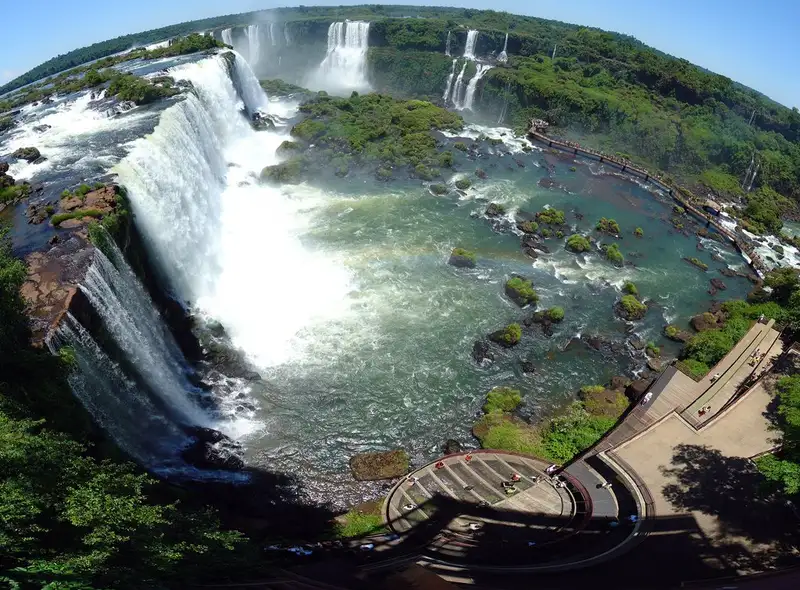
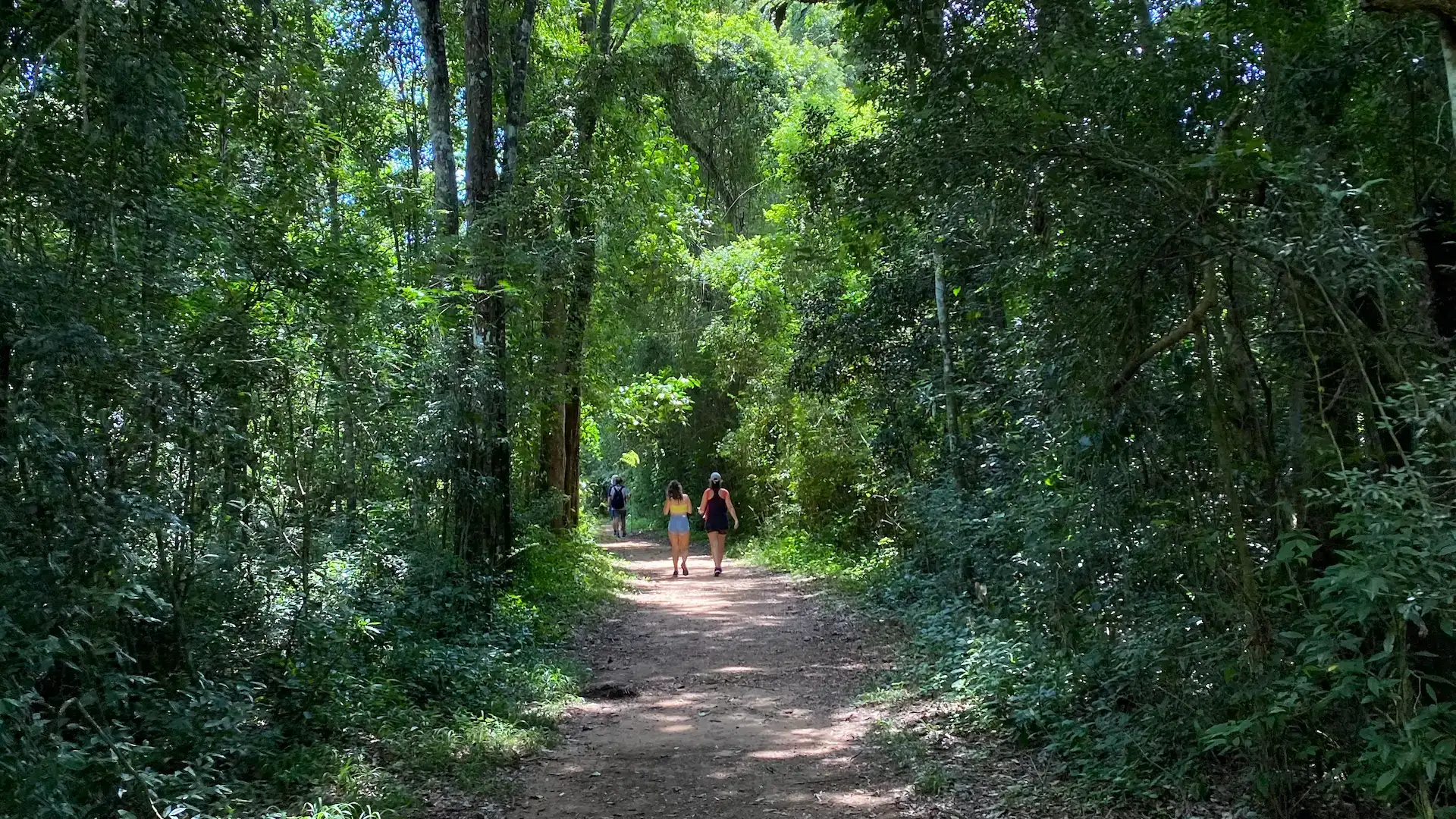
Iguazú National Park does not end at the edge of the falls. Behind the pedestrian circuits and the Ecological Jungle Train stretch tens of thousands of hectares of Paranaense Rainforest — the Argentine continuation of the Atlantic Forest — where canopy density, the sound of cicadas, and the smell of wet earth make up an experience entirely different from the spectacle of falling water. The Jungle Safaris are designed to venture into that interior.
The excursion travels internal park trails aboard open vehicles driven by naturalist guides accredited by Iguazú Argentina S.A., the concessionaire that manages tourist services within the protected area. The open-vehicle format is not an aesthetic choice: it allows visitors to hear the surroundings, detect movement in the vegetation, and maintain the visual angles needed for wildlife spotting. Guides combine motorized stretches with on-foot stops, using silence and patience as observation tools.
The park’s fauna is one of the strongest arguments for this activity. The coati (Nasua nasua) appears frequently near the trails, sometimes in family groups combing the ground for insects or fallen fruit. The black capuchin monkey (Sapajus nigritus), a species endemic to the South Atlantic Forest, moves through the mid-canopy with a curiosity that makes it relatively easy to observe. The black howler monkey (Alouatta guariba) is harder to see, but its guttural call — one of the most recognizable sounds of the Misiones jungle — is often heard from the vehicles before the walking segment even begins. More elusive are the red brocket deer (Mazama americana) and the dwarf brocket (Mazama nana), small forest deer that favor the understory; early-morning departures improve the odds of an encounter.
Birds represent another layer of the experience. The red-breasted toucan (Ramphastos dicolorus) and the toco toucan (Ramphastos toco) are identifiable at a distance by their silhouette and undulating flight over the canopy. Parrots of several species fly in pairs or flocks, and the vinaceous amazon (Amazona vinacea) — globally threatened — has one of its most important refuges in the Misiones jungle. The safaris also provide context for understanding why Iguazú National Park was recognized as an Important Bird and Biodiversity Area (IBA).
The Misiones jungle along the excursion’s trails sits within the ecotone between semi-deciduous forest and the more humid sectors near the Iguazú River. This variation explains the simultaneous presence of Cerrado and humid-forest species — a combination guides use to illustrate why Misiones holds Argentina’s greatest biodiversity. The tapir (Tapirus terrestris), the continent’s largest terrestrial mammal, inhabits the park, though its nocturnal habits make daytime sightings uncommon; the same applies to the giant anteater (Myrmecophaga tridactyla), documented within the protected area but rarely seen on standard tourist routes.
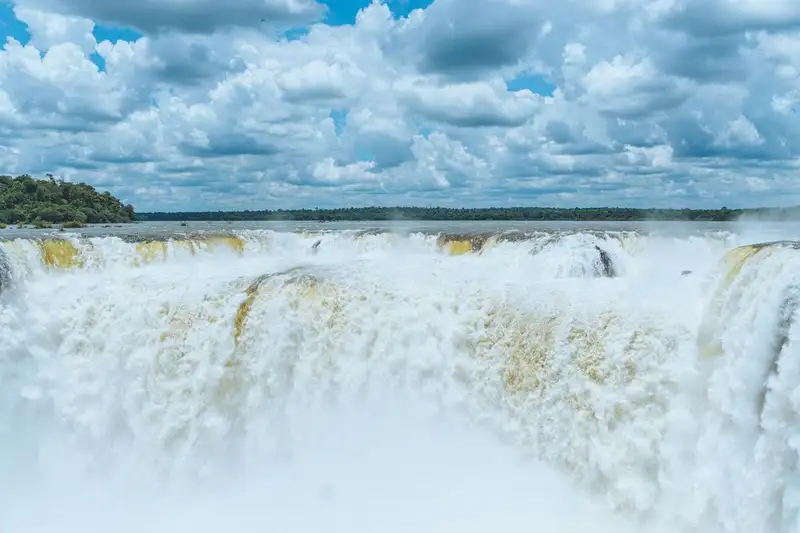
The Jungle Safaris serve as a natural complement to visiting the waterfall circuits: where the circuits offer hydraulic scale and spectacle, the safari returns attention to the processes that sustain that landscape. Combining both experiences in a single park visit produces a more complete understanding of what the Misiones Rainforest represents — not only as a tourist destination, but as one of the most threatened and biologically rich ecosystems on the planet.