Iguazú Falls
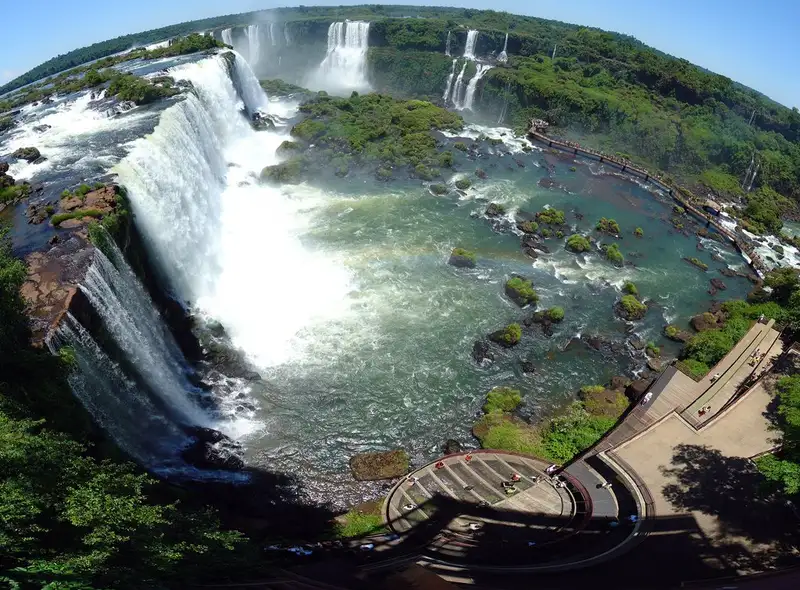
There are few places on the planet where nature displays its power on such a scale. Iguazú Falls, recognized as one of the New Seven Wonders of the Natural World and a UNESCO World Heritage Site since 1984, form the widest waterfall system on earth: 275 falls distributed across 2,700 metres of rocky frontage, with heights ranging between 64 and 82 metres at their main drops.
The Argentine side holds approximately 80 per cent of the total falls and offers a radically different experience from the Brazilian side: while from Brazil the full panorama can be taken in at a distance, in Argentina you walk among the cascades, with water falling metres away and, in many sections, directly overhead. Iguazú National Park — declared a UNESCO World Heritage Site the same year as the falls — is the setting for this experience: a subtropical Misiones rainforest reserve that shelters coatis, tapirs, caimans, toucans, and hundreds of butterfly species.
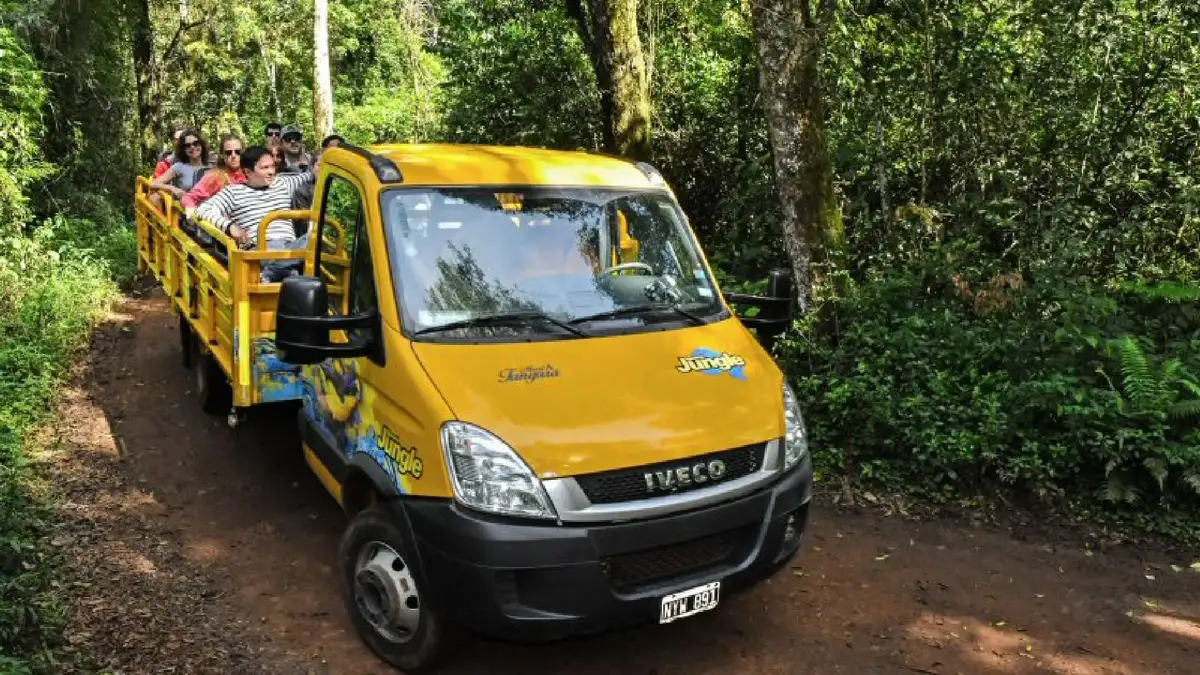
Access to the circuits is by the Tren Ecológico de la Selva, a service that runs through the interior of the park connecting the entrance with the various departure stations. The Lower Circuit descends to the level of the Iguazú River, with walkways that bring you close to the base of the falls and into permanent spray. The Upper Circuit runs along the edge from above, offering bird’s-eye views across the sheet of water. Both routes are complementary and most visitors combine them in a single day.
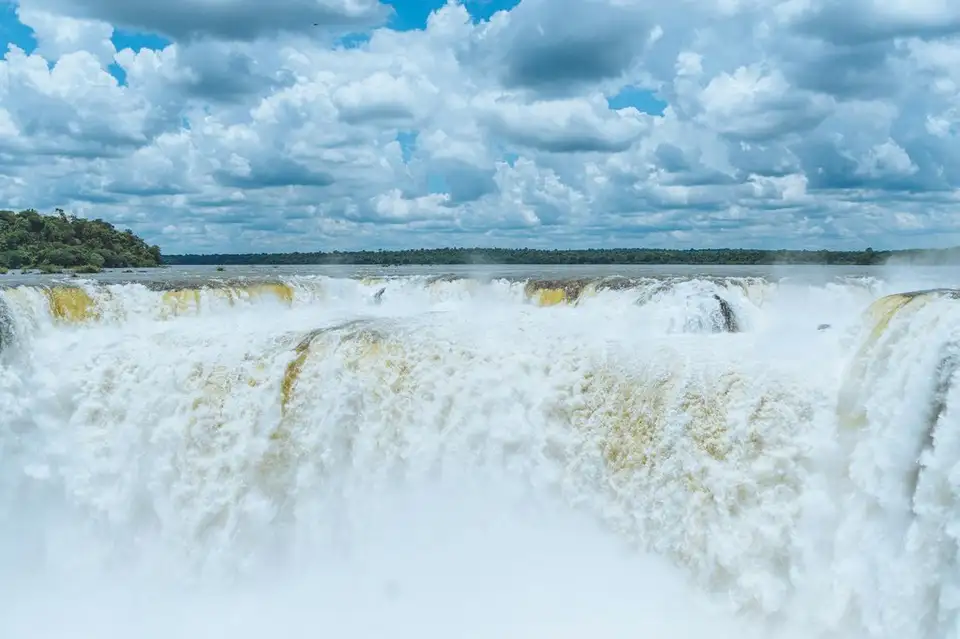
The highlight of any visit is the Garganta del Diablo. From the train station of the same name, a stretch of walkways over the Iguazú River leads to the mouth of the gorge: a horseshoe where the water plunges nearly 80 metres into an abyss wrapped in permanent mist. With an average flow of 1,746 cubic metres per second — which during flood periods can exceed 45,000 — the roar and constant fog create an atmosphere that is difficult to describe and impossible to forget.
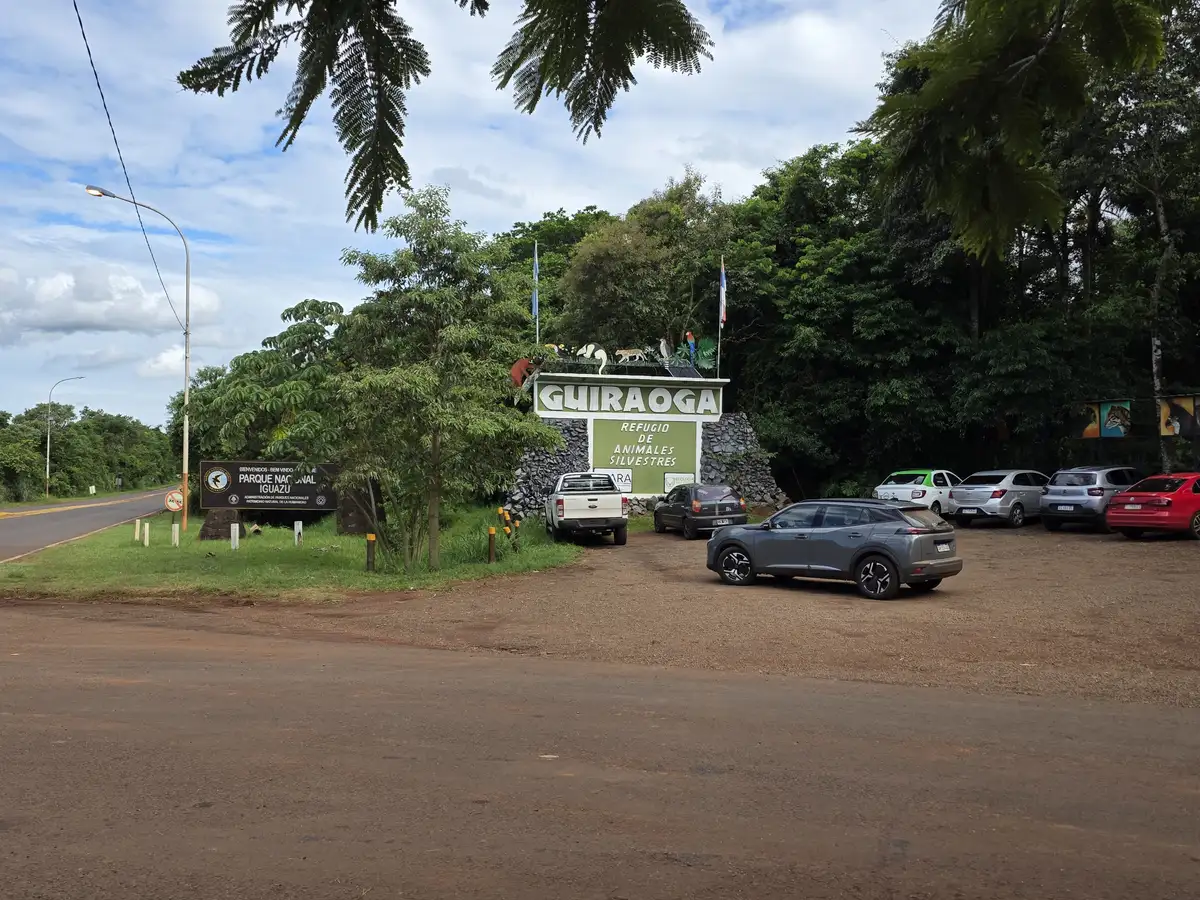
The falls lie along Ruta 101, on the outskirts of Puerto Iguazú, at the northeastern tip of the province of Misiones. The rainforest surrounding them is not a backdrop: it is an integral part of the experience, and the reason the site retains its status as a functioning nature reserve.