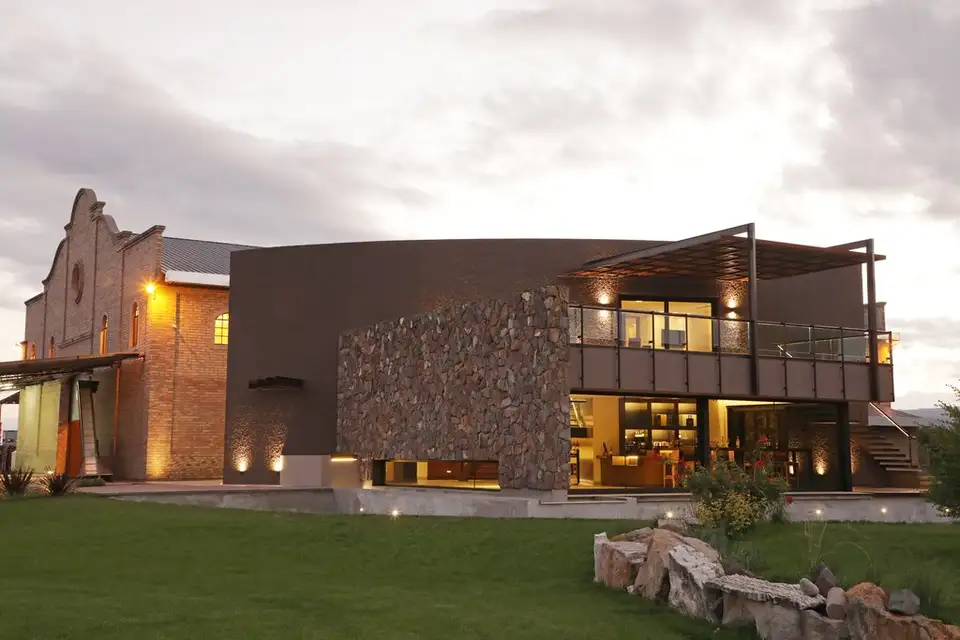
Viña Las Perdices
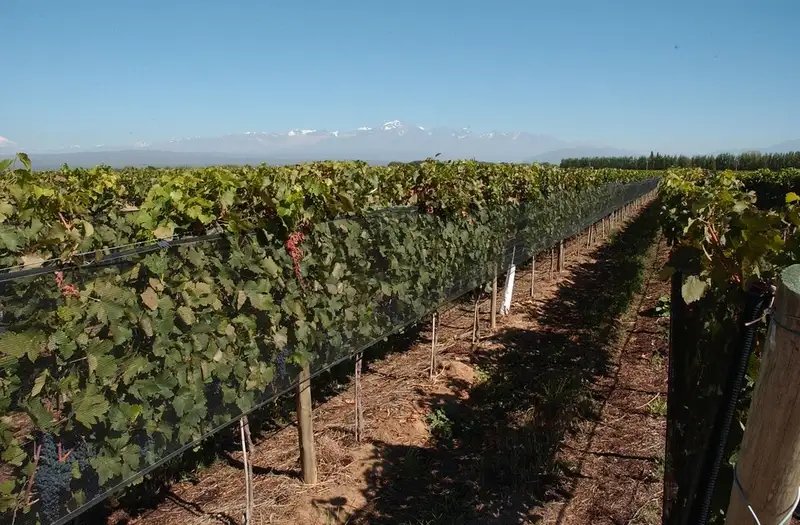
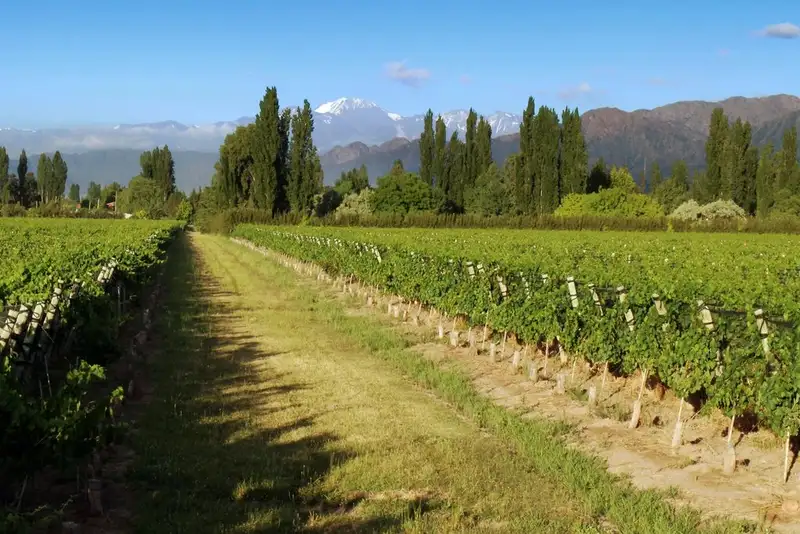
Located in the heart of Agrelo, within the department of Luján de Cuyo, Viña Las Perdices stands as a benchmark of viticulture in Mendoza. The winery sits in a strategic area, about 25 minutes from the City of Mendoza and in the shadow of the Andes, taking advantage of a terroir that allows for the expression of very specific characteristics in each harvest. What defines this place is its ability to integrate the tradition of the region’s pioneers with modern vinification processes and a constant pursuit of exploring varieties that go beyond the conventional.
Identity and rootedness in Agrelo
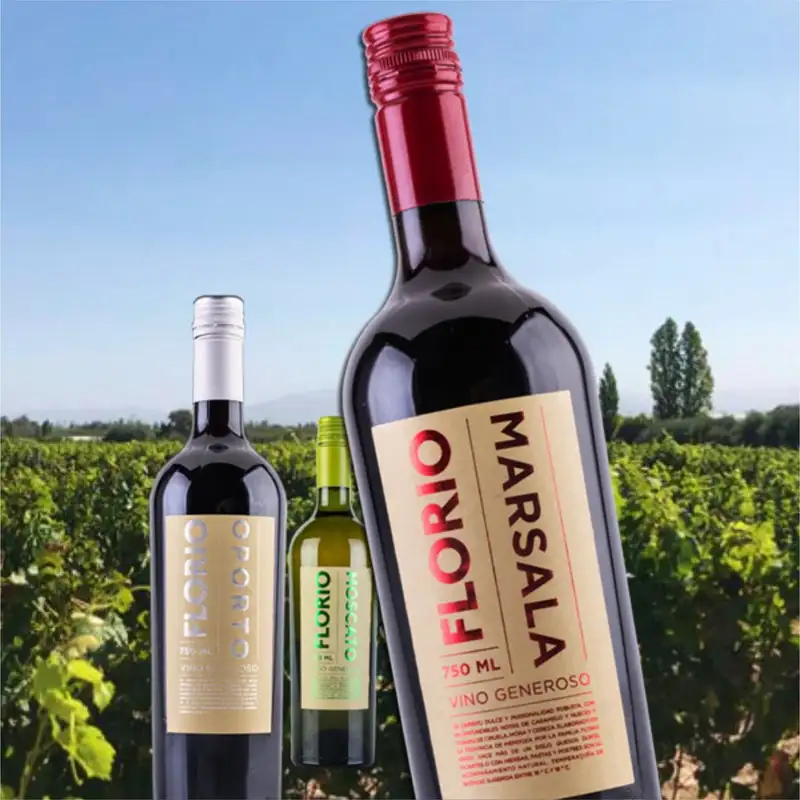
The winery’s history is deeply tied to the legacy of the European immigrants who transformed the Mendoza landscape. The institution’s very name refers to an anecdote from its origins: when Juan Muñoz arrived in these lands to dedicate himself to vine cultivation, a group of partridges accompanied him in his daily work. This connection with the local wildlife and the area’s dry climate became the symbol of its identity. The winery seeks not only to produce wine, but also to reflect that territorial rootedness, using effort and adaptation to the environment as pillars for building its portfolio, which today includes around 70 different labels.
Process and the expression of terroir
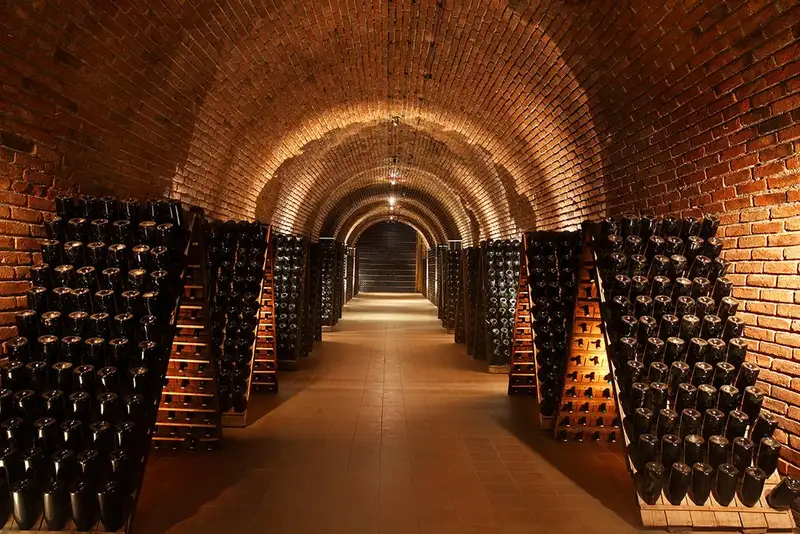
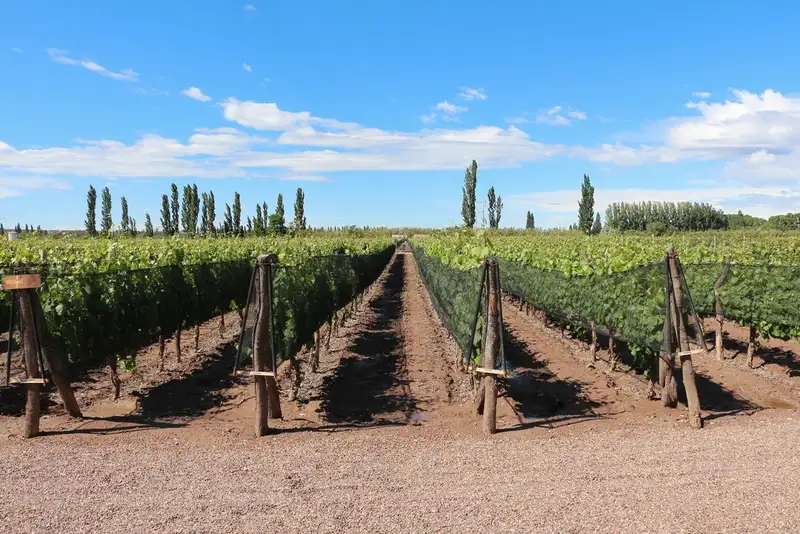
Viña Las Perdices’ approach centers on technical innovation applied to the identity of the soil. The winery employs vinification processes aimed at highlighting both classic varieties and explorations of less traditional ones, which lends a notable diversity to its offering. Work in the vineyard is the starting point for producing wines that capture the essence of Agrelo, an area recognized for its exceptional quality. The winery’s physical structure, visible in its production buildings, functions as the core where the raw material harvested from its own vineyards is processed.
Context in Luján de Cuyo
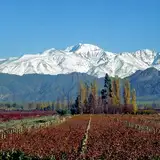
Within Mendoza’s viticultural map, this winery acts as an important node in the Agrelo area. Its presence reinforces Luján de Cuyo’s character as a region where quality is measured by the ability to express terroir in every bottle. Situated at the foot of the Andes, the natural environment directly influences the production logic, integrating the scale of the landscape with the precision of winemaking. The winery represents that transition between the history of the first viticulturalists and an industry that looks toward the future through constant experimentation.