RJ Viñedos
RJ Viñedos is a winery located in the heart of Luján de Cuyo, Mendoza, built around the pursuit of the fullest expression of terroir through the technical and dedicated management of its vines. The project grew out of the vision of Raúl Jofré, who in 1998 decided to consolidate a wine venture inspired by his French family heritage and the desire to create a way of life tied to the land. The winery’s focus lies not only in production but in the rigorous selection of plots that can capture the identity of each growing zone.
The setting and growing conditions
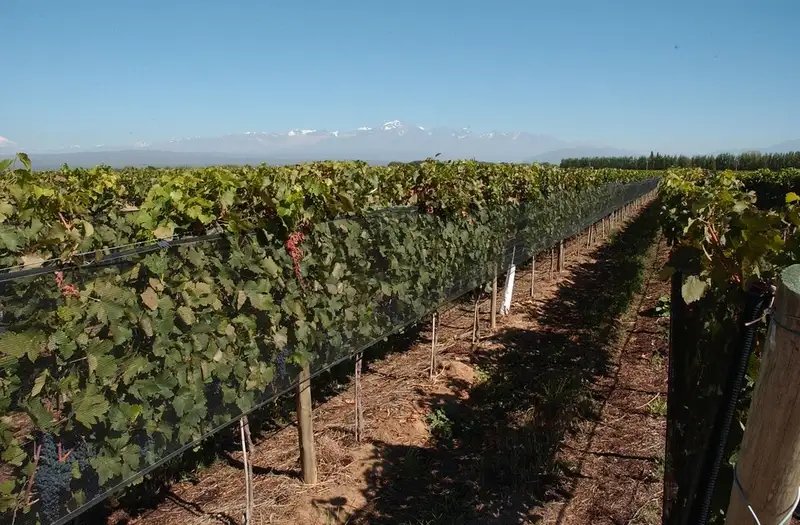
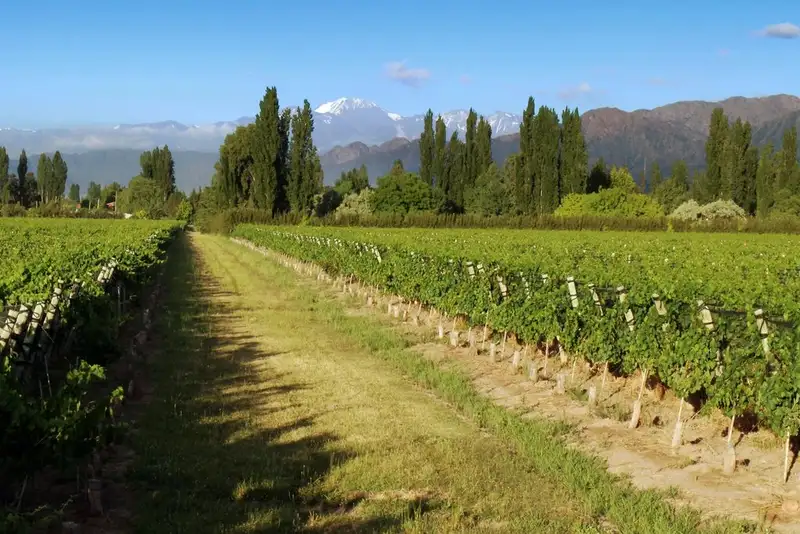
The winery’s production draws on the exceptional climatic characteristics of the Mendoza region. Set in a continental desert climate with no oceanic influence, the vineyards receive intense sunlight that promotes the formation of the aromatic and polyphenolic compounds essential to a wine’s structure. The location on the piedmont of the Cordillera de los Andes allows the vineyards to benefit from a wide diurnal temperature range: warm days followed by cool nights. This cycle is key to achieving a gradual ripening, allowing the tannins to develop fully while preserving the acidity and aromatic complexity of the grapes.
Terroir management and vineyard extent
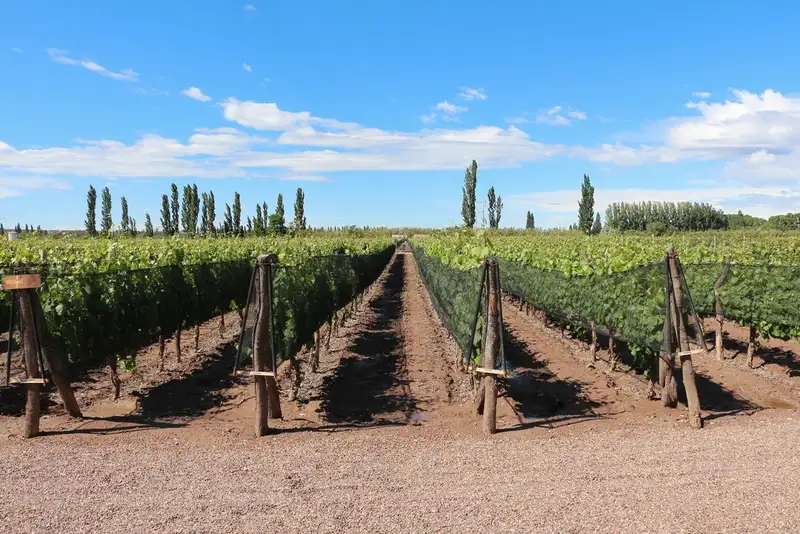
The identity of RJ Viñedos is built through a constant exploration of soils and microclimates. The winery manages a total of 120 hectares spread across different strategic locations, combining the tradition of vineyards planted by European immigrants with modern plots designed according to precision agronomy criteria. In Mendoza, its activity is concentrated mainly in the most renowned zones: Luján de Cuyo, Maipú, and the Valle de Uco — areas recognized for their capacity to produce high-end wines.
This pursuit of quality extends beyond the borders of the Mendoza province. The winery also maintains a presence in Salta, specifically in the Cafayate region within the Valles Calchaquíes. There, at an altitude of approximately 1,750 meters above sea level, it manages a plot of around 10 hectares devoted to Torrontés, taking advantage of the particular conditions of this terroir to bring out the qualities of this native white grape.
Winemaking identity
The work at the winery is defined by respect for the vine’s genetics and the importance of finding soils that yield something surprising in each harvest. The process involves a detailed study of each plot’s history — from vineyards that emerged from the empirical knowledge of immigrant families to more recent projects driven by scientific research. This diversity of origins allows the final result to reflect the complexity of the Mendoza landscape and its capacity to produce wines with a character of their own, underpinned by a technical framework that understands the workings of the natural environment.