Divisadero Largo Nature Reserve
Located in the north-central part of the province of Mendoza, a few kilometres from the provincial capital, Divisadero Largo Nature Reserve is a key site for the preservation of the region’s geological heritage. This protected area, established under Provincial Law 004902/83, functions as a biodiversity refuge and a physical record of the earth’s history in the Capital department, extending toward the boundaries with Luján de Cuyo.
Geology and landscape
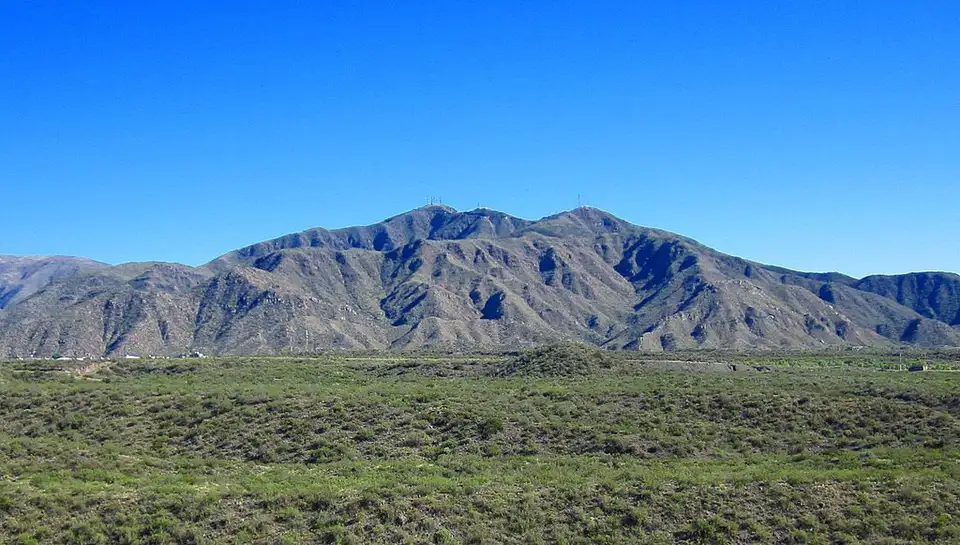
The primary value of this reserve lies in its topographic composition. The area is distinguished by geological formations of notable colours, the result of sedimentary processes dating from the Triassic and Tertiary eras. These structures offer a visual testimony to the evolution of the Mendoza terrain, where rock strata and landforms allow the transition between distinct geological periods to be observed.
The landscape is defined by markedly xerophytic vegetation, adapted to the arid conditions characteristic of the region. This type of flora, composed of species that have developed mechanisms to retain moisture, forms a dry but biologically significant ecosystem within the context of the province’s protected areas.
Surroundings and territorial context
The reserve is integrated into a natural corridor connecting transition zones between the piedmont and the more urbanised areas of the province. Its proximity to the Carrodilla area allows this space to act as a green lung and a vantage point for observing local geomorphology, without straying far from the main axes of the central Mendoza region.
Since its creation in 1983, the primary objective has been the protection of these complete series of formations. The presence of landforms such as Cerro Arco, visible from the surrounding area, reinforces the visual identity of the site and links it to the rest of the mountain structures that characterise the Mendoza landscape.
The significance of Divisadero Largo extends beyond its territorial scale; although it is one of the smaller protected areas compared to other national or provincial parks in the country, its relevance lies in the specificity of its physical features and in the need to safeguard a heritage that would otherwise be exposed to degradation through the advance of human activity.