Olivícola Laur
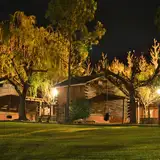
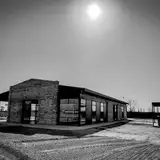
Located in the heart of Cruz de Piedra, within the department of Luján de Cuyo, Olivícola Laur represents a fundamental pillar in the history of olive oil production in Mendoza. What began as a pioneering initiative in the late nineteenth century has consolidated into a benchmark of technical excellence and sensory quality, earning a place in the most demanding rankings of the global industry. Its importance lies not only in production volume, but in its capacity to maintain a quality standard that has led it to claim the top position in the EVOO World Ranking.
Legacy and history in the region
The estate’s trajectory dates to 1889, when Don Francisco Laur, a French immigrant from the Loire region, decided to settle in this part of Mendoza. His arrival marked the beginning of olive grove cultivation in the province, introducing practices and knowledge that laid the foundations for what is today a consolidated industry. Over the decades, the property has undergone significant transformations — from its founding to the current management by the Millán family — while always maintaining a close bond with the Mendoza territory.
This historical process is intertwined with the sector’s technological evolution. Although its roots are deeply traditional, from 1996 onward the estate entered a modernization phase through the introduction of continuous centrifugal extraction systems. This transition allowed classical cultivation methods to coexist with cutting-edge machinery, ensuring that the oil extraction process preserves the organoleptic properties that earned it international prestige.
Recognition and global excellence
The relevance of Olivícola Laur extends beyond local borders to take its place on the map of world-class quality. The most notable recognition comes from the EVOO World Ranking, where the brand has achieved milestones placing it in the Top 100 best olive oil producers in the world. In recent editions, its performance was such that it reached first place globally — an achievement that positions Mendoza as a key player in the production of world-class extra virgin olive oils.
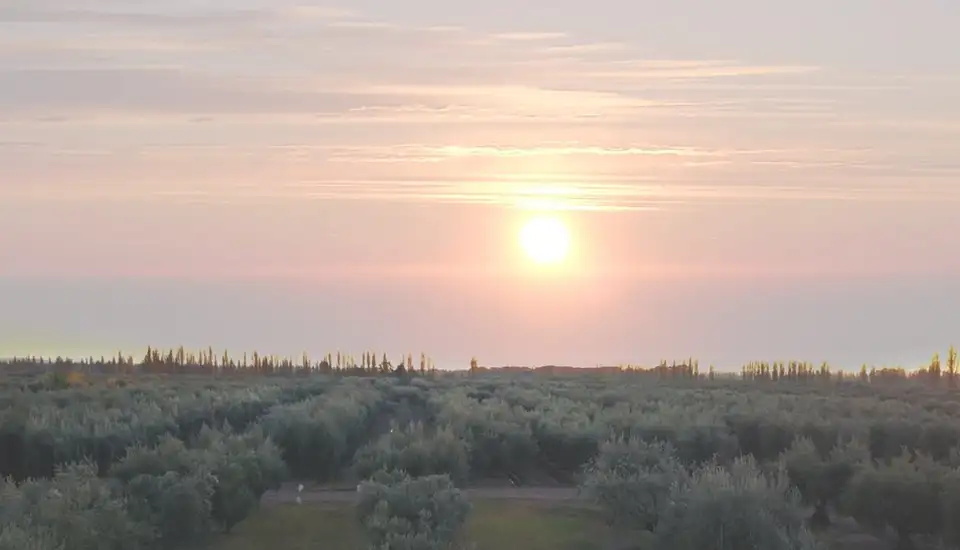
A visit to this estate offers an understanding of how the combination of a specific terroir and rigorous technical management produces exceptional results. The productive structure, which encompasses everything from tending the olive groves to the final extraction processes, stands as a living testament to the region’s capacity to compete in high-end markets. The work of professionals such as the current estate manager is an essential part of this cycle of innovation and respect for the raw material.
Productive context in Luján de Cuyo
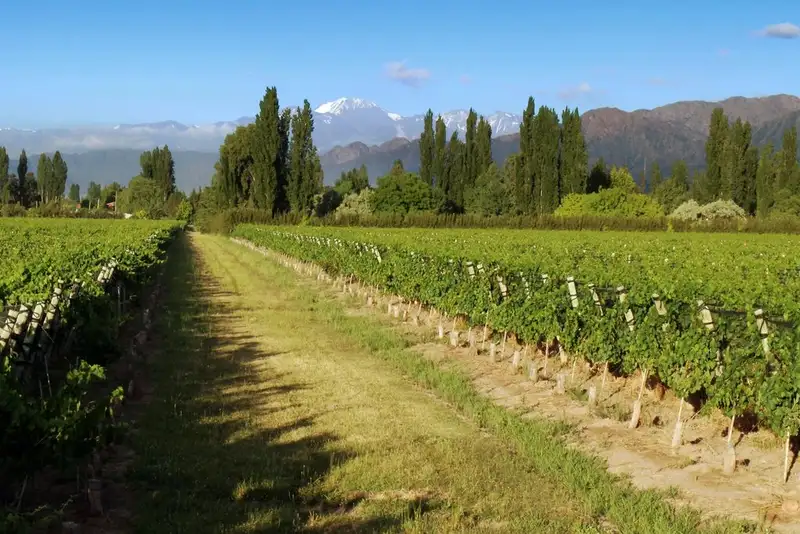
The presence of the olive estate in Cruz de Piedra helps define the productive landscape of Luján de Cuyo, an area where agriculture and viticulture coexist in a cultural and economic symbiosis. Laur’s work is not an isolated fact, but part of a production ecosystem that values the history of the immigrant and the technological adaptation to the Mendoza climate. This environment, characterized by its capacity for innovation and its respect for foundational traditions, is the framework within which one of the continent’s most respected productions takes shape.