Bodega Septima
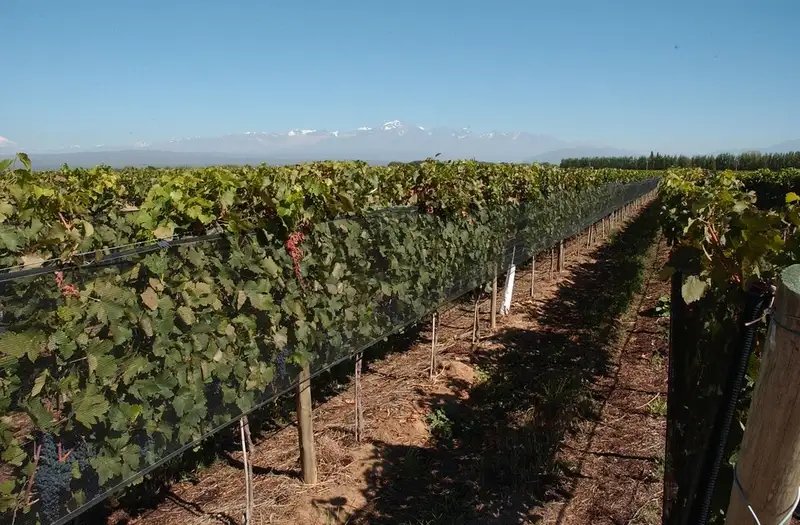
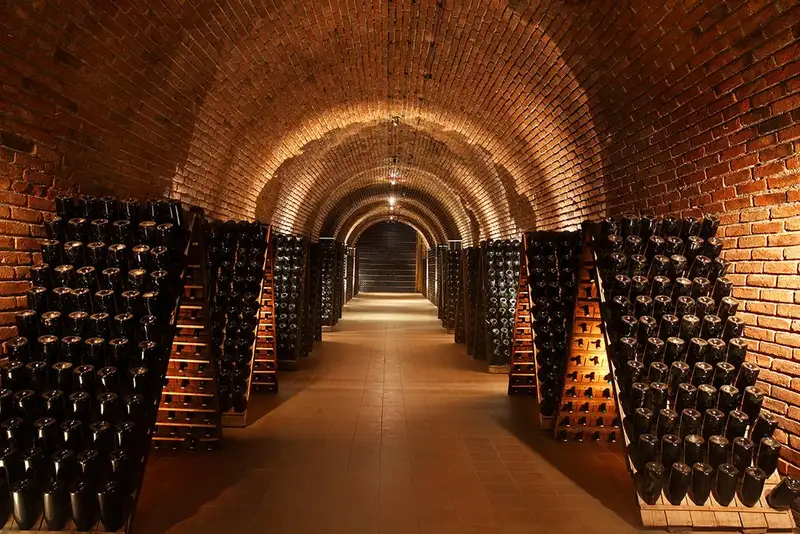
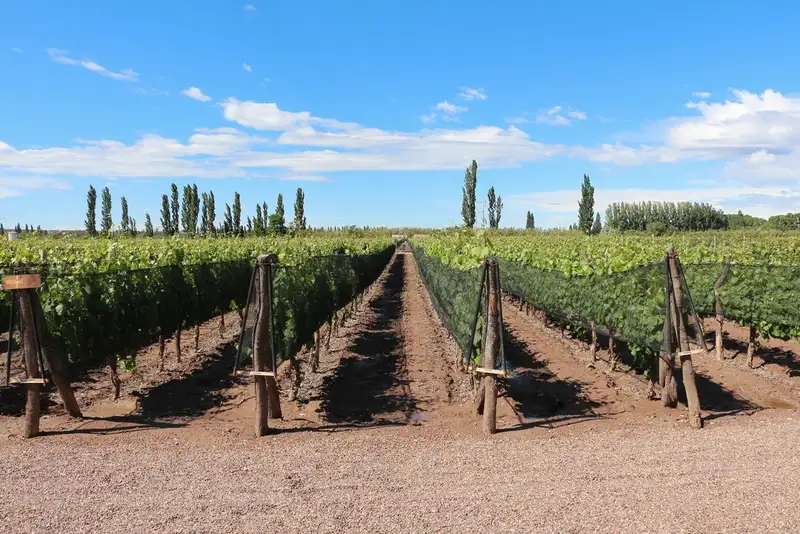
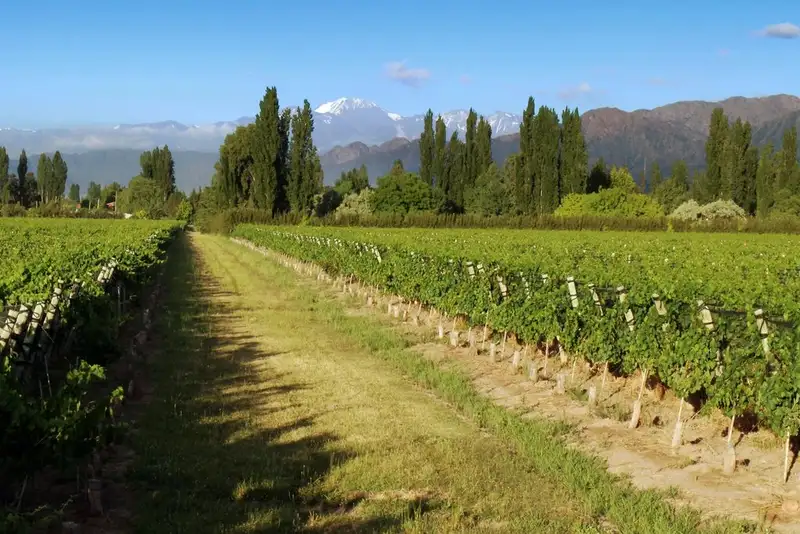
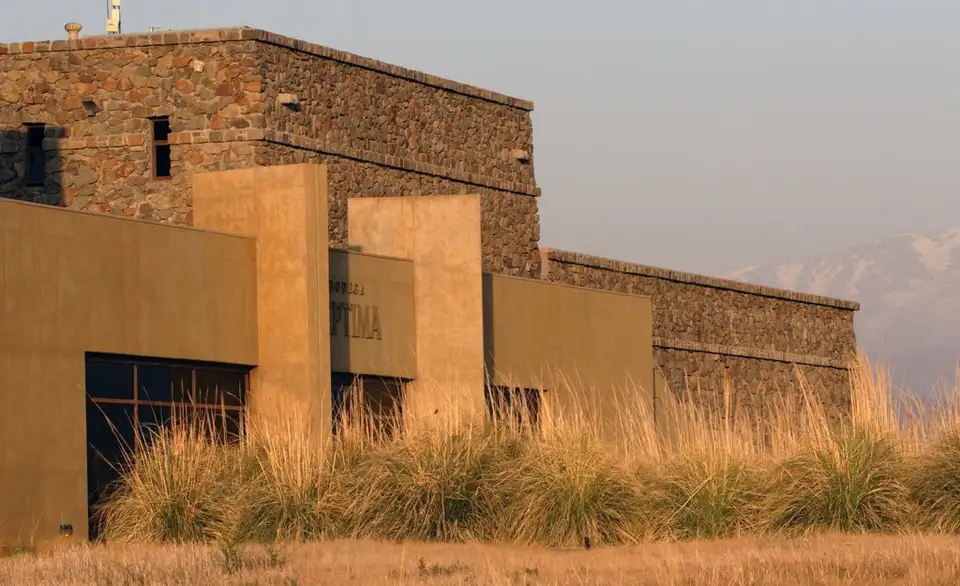
Located in the heart of Luján de Cuyo, Bodega Septima stands as a meeting point between Mendoza’s winemaking tradition and an approach that seeks to integrate production with a sensory experience. The winery functions not only as a production facility but also as a space where the vineyard landscape connects with a specific food offering through its culinary sector. ## The estate and winery tour A visit to this establishment allows guests to understand the winemaking process from its origins in the land. The tours are designed for visitors to walk through the estate and the winery facilities, guided by hosts who explain the stages of production. This itinerary aims to show how work in the vineyards translates into the distinct profiles of its labels, allowing direct contact with the day-to-day workings of an active winery. The route includes the areas where raw materials are managed and vinification takes place, offering a close look at the technical infrastructure required to produce varieties such as Malbec, Cabernet Sauvignon, Cabernet Franc, and Tannat. The experience centers on understanding the identity of each grape variety through contact with the productive environment. ## Culinary space and flavor offering Beyond traditional tastings, the winery has a culinary space that complements its wine tourism offering. This sector functions as a restaurant where the kitchen is presented as an extension of the estate’s identity. The integration of food with wine production allows visitors to experience local flavors in a setting that respects the scale of the Luján de Cuyo landscape. The approach aims to make the visit more than a technical tour — a complete experience where food and wine coexist. This focus helps establish the winery as a destination within the Luján de Cuyo circuit, offering a place to pause and connect with the products that come from its own soil. ## Winemaking identity in Luján de Cuyo Bodega Septima’s presence in the region is defined by its ability to maintain focus on the quality of its principal varieties, such as Malbec and its various lots and reserves. Situated in a key area for high-end production, the winery acts as a reflection of Mendoza’s winemaking development, where barrel management and aging processes are fundamental to achieving the complexity that characterizes its wines. The winery’s surroundings, marked by the expanse of its vineyards and its strategic position on the main road, allow visitors to perceive the scale of the Mendoza territory. The winery’s structure — with its production areas and gathering spaces — constitutes a key element of the cultural landscape of Luján de Cuyo, integrating agricultural work with the reception of visitors.