Bodega Kaiken
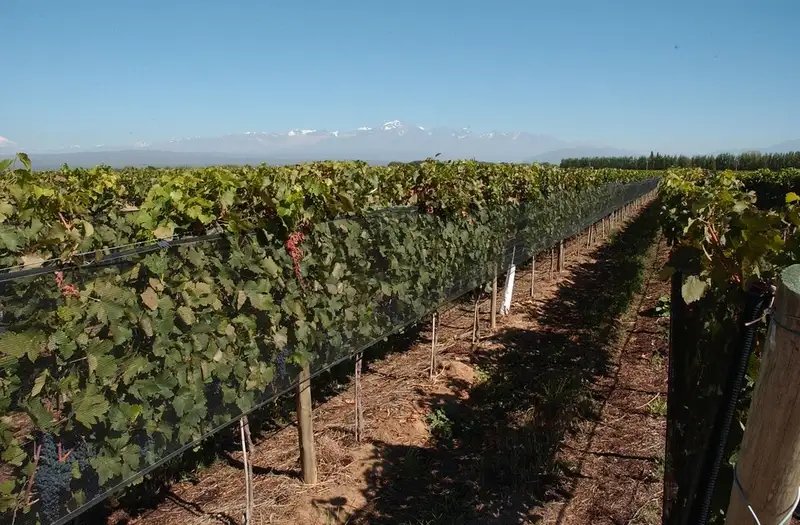
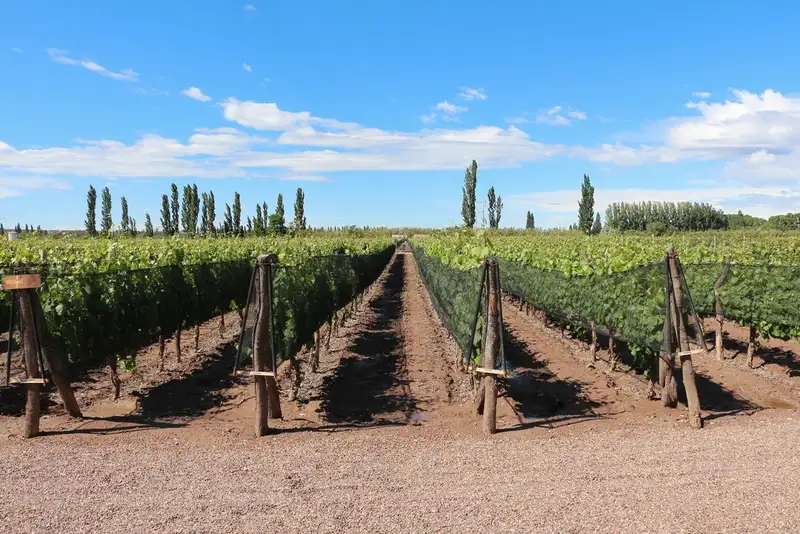
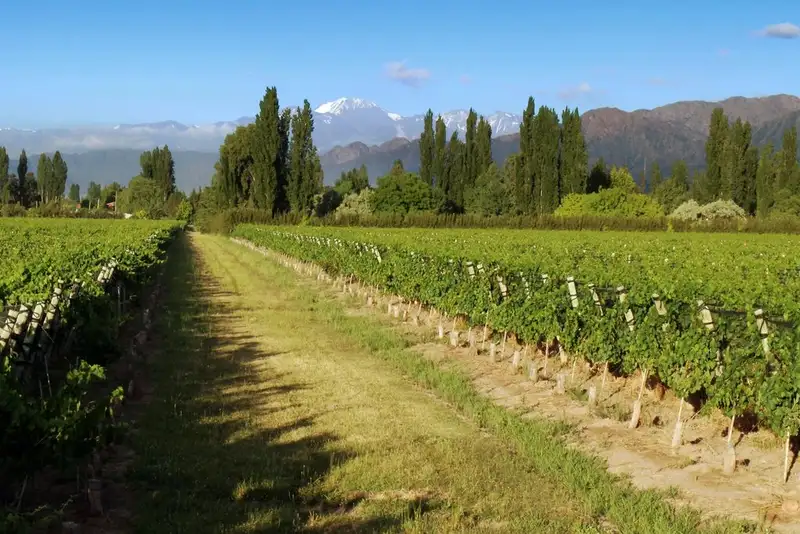
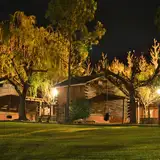
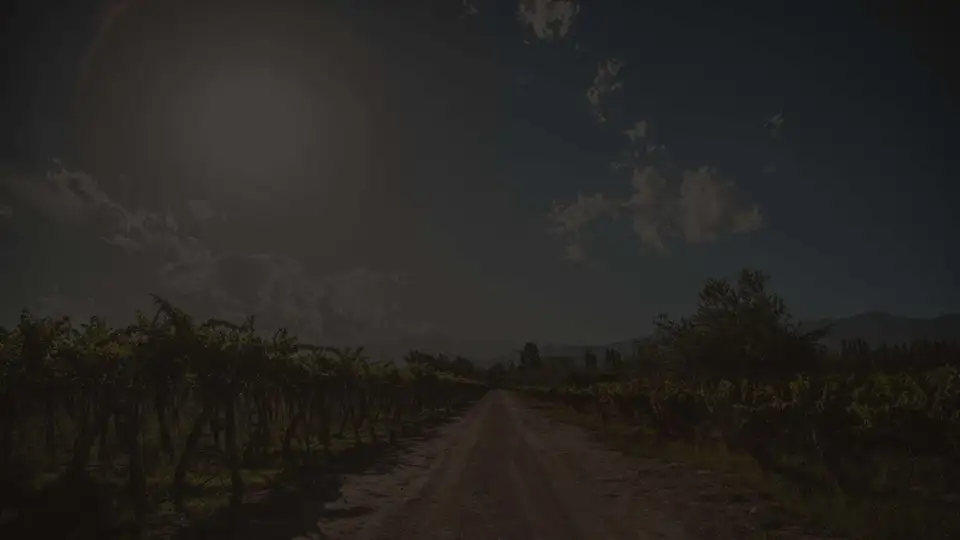
Located in the heart of Vistalba, within the department of Luján de Cuyo, Bodega Kaiken stands as a meeting point between Argentine winemaking tradition and Andean geography. The winery’s name refers to the kaikén, a wild goose that migrates between Chile and Argentina, symbolizing the crossing of borders and cultures that defines its identity. The property sits on soils in a highly regarded area, where the landscape is marked by the imposing presence of the Andes Mountains on the horizon and vineyards that seek to capture the essence of the Mendoza terroir.
Identity and territory
The winery’s approach is grounded in a commitment to sustainability and harmony with the natural surroundings. Work in the vineyards aims not only for excellence in wine production, but also to reflect the climatic and geological particularities of Luján de Cuyo. The winery’s structure incorporates practices that respect nature, drawing on the heritage of generations of winemakers to develop a distinct identity. This approach results in a production that emphasizes the intrinsic quality of the fruit, making use of the conditions of an ecosystem where mountain and cultivation coexist closely.
The wine and gastronomy experience
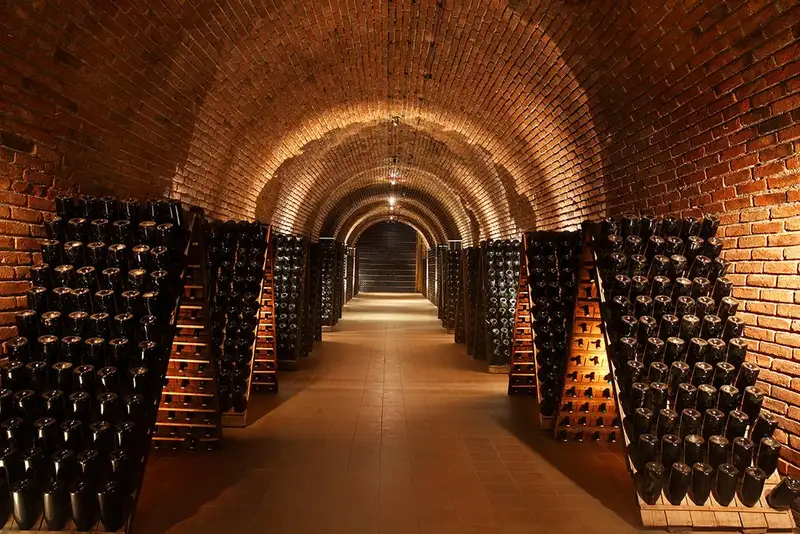
Beyond being a production center, the space functions as an all-encompassing destination for those looking to deepen their understanding of wine culture. The winery tour offers insight into the processes that transform grapes into premium products, combining observation of the vineyards with tastings of its labels. This experience is complemented by a culinary offering that has gained recognition in the region, distinguished by the use of grilling techniques and a focus on local ingredients. The aim is for the visit to be not merely a technical observation, but a sensory encounter where wine and food converse under the influence of the Mendoza landscape.
Winemaking context in Luján de Cuyo
Kaiken’s presence in Vistalba reinforces Luján de Cuyo’s standing as a key area for the development of prestigious wines. By situating itself in this location, the winery connects with a network of producers who share a common history of adapting to the arid climate and making use of mountain water resources. The integration of elements such as architecture, gastronomy, and landscape stewardship contributes to consolidating a wine tourism model that goes beyond simple tasting, making the winery a reference point for how the industry can align with territorial identity and the preservation of the natural environment.