Torre Monumental
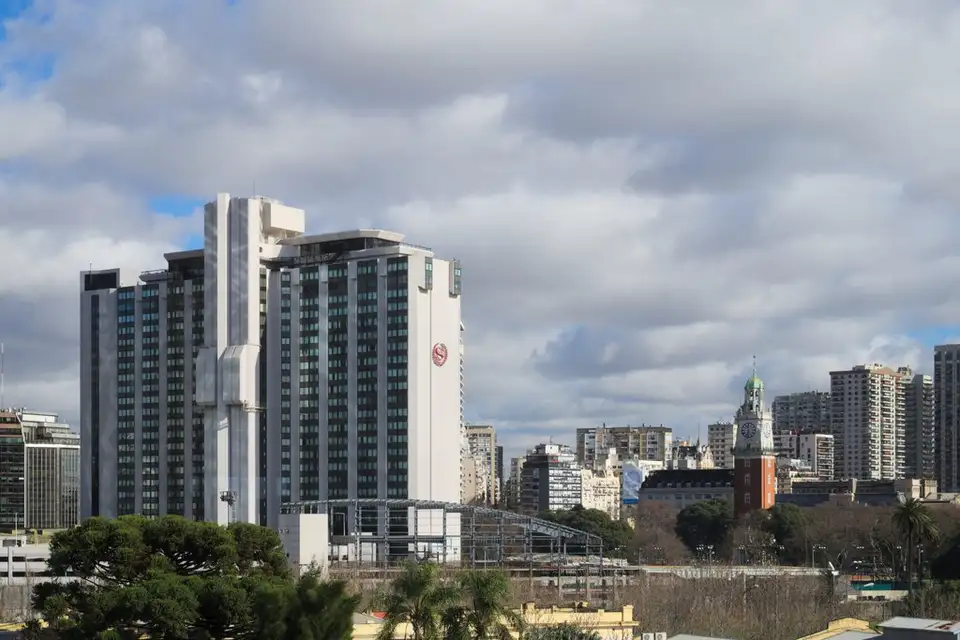
Located in the bustling neighbourhood of Retiro, the Torre Monumental stands as a physical testament to the historical ties between Buenos Aires and the British community. Originally known as the Torre de los Ingleses, this structure is not only an architectural landmark but also a commemorative gift from the city’s British residents to mark the centenary of the May Revolution. Its presence in the urban fabric of the San Nicolás area brings a note of classical elegance that contrasts with the constant movement of the surrounding port city.
British legacy and construction
The tower’s history formally began following the passage of a law by the National Congress in 1909. The design was the responsibility of British architect Sir Ambrose Macdonald Poynter, whose vision called for materials imported directly from the United Kingdom to ensure the desired quality and style. The construction used Portland stone and Leicester bricks, elements transported across the Atlantic to give shape to the structure. Although the laying of the foundation stone took place in 1910, the logistical challenges arising from World War I delayed its completion until 1916, the year it was inaugurated in the presence of notable figures including President Victorino de la Plaza.
Architecture and symbolism
From an aesthetic standpoint, the tower is a prominent example of the Palladian style. Standing 59 metres tall across eight floors, its facade features intricate details that pay homage to the nations that make up the British Isles. In its friezes, representative symbols can be identified: the thistle for Scotland, the Tudor rose for England, the red dragon for Wales, and the shamrock for Ireland. This ornamentation turns the monument into a cultural map carved in stone.
A central element of its identity is the clock set at 45 metres height, manufactured by the English firm Gillett & Johnston of Croydon. This mechanism, which operates by pendulum and weights, is complemented by five bronze bells. The carillon, which chimes every quarter hour, produces a sound that evokes the atmosphere of Big Ben, integrating a fragment of London’s sonic tradition into the soundscape of Buenos Aires.
Urban context and surroundings
The tower functions as a visual reference point within the urban grid of Retiro. Its vertical structure offers a pause in the horizontality of the port city’s movement, connecting the memory of the early twentieth century with the current identity of the city. Walking through its surroundings, one perceives how the monument acts as a nexus between the colonial past and the European influences that shaped the architecture of the Argentine capital, maintaining its relevance as an object of historical and architectural study in the heart of Buenos Aires.