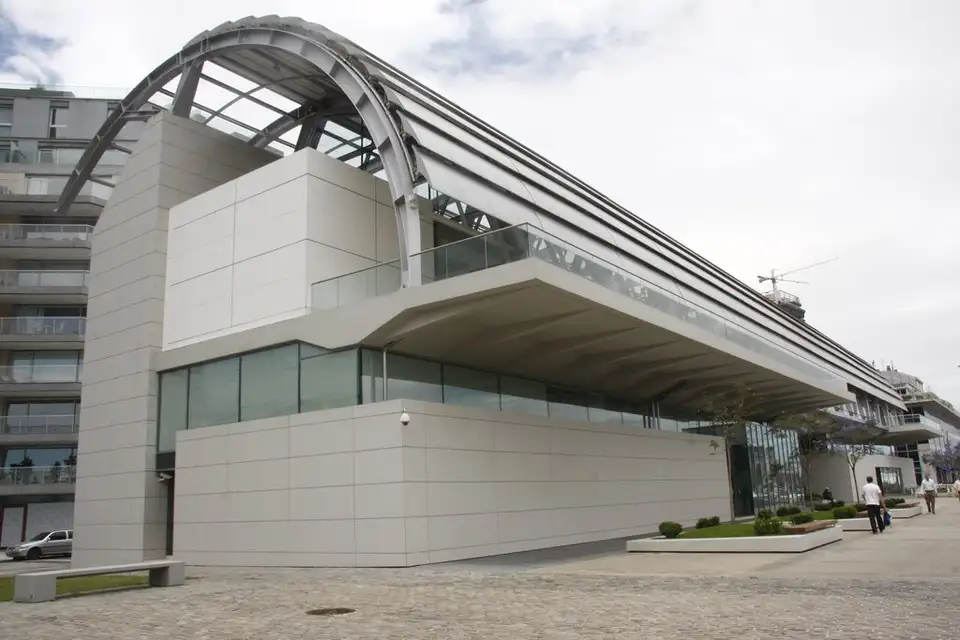
Amalia Lacroze de Fortabat Art Collection
Located in the heart of Puerto Madero Este, the Amalia Lacroze de Fortabat Art Collection is one of the most significant cultural hubs in Buenos Aires. The space functions not only as a repository of visual heritage but as a meeting point between contemporary architecture and the history of national and international art. The collection, which originated from Amalia Lacroze de Fortabat’s private holdings, offers a deep look at the aesthetic evolution of different eras, establishing itself as a reference point for understanding the artistic identity of the region.
The visual heritage and its composition
The collection is organized around two main axes that allow visitors to move through different origins and styles. The first core is dedicated entirely to Argentine art, tracing the trajectory of key figures who have defined the country’s visual language. Among the most notable works in this section are pieces by Prilidiano Pueyrredón, including “Apartando en el corral” and “Los Capataces”, alongside the expressive force of Emilio Pettoruti with “La resistencia” and “El indeciso”. The presence of artists such as Antonio Berni, with his work “El almuerzo”, Xul Solar, Carlos Alonso, and Fernando Fader gives the space a historical density spanning from costumbrismo to the more complex avant-garde movements.
In a second register, the collection extends into the international sphere. This section presents works by great masters from various periods, enabling a dialogue between local production and global movements. A notable example is Peter Brueghel II’s “The Census at Bethlehem”, which brings a classical and universal dimension to the galleries. This alternation between the local and the foreign constructs a narrative in which Argentine art is placed within a context of ongoing cultural exchange.
Architecture and urban setting
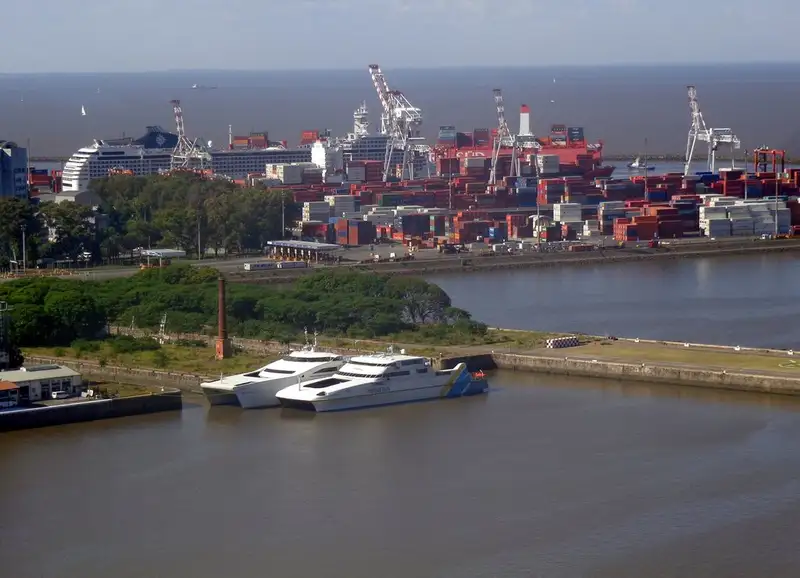
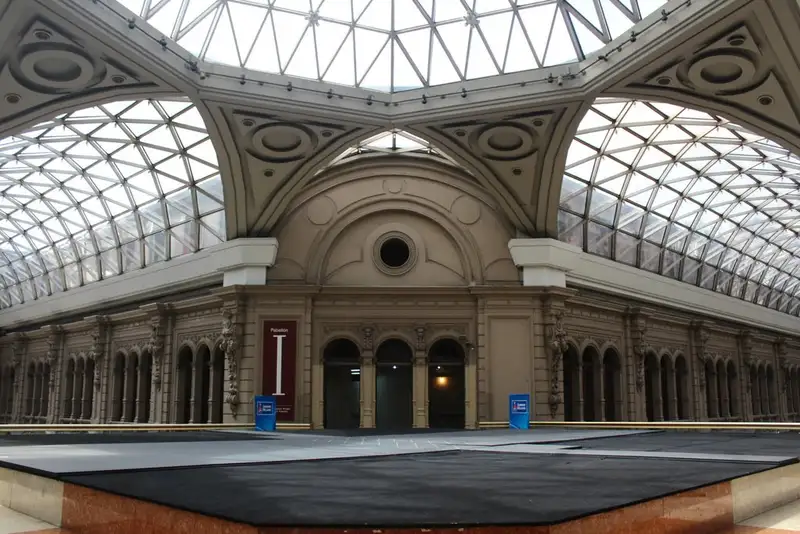
The building, designed by architect Rafael Viñoly, is an essential part of the visiting experience. With a floor area of 7,000 m², the structure integrates into the modern landscape of Puerto Madero, a district defined by its urban renewal and its connection to the river. The museum’s architecture acts as a container that amplifies the scale of the works, allowing the visitor’s path to flow through spaces designed for contemplation.
The location on Olga Cossettini street places visitors in an area of Buenos Aires where the modernity of the docks meets cultural memory. The Fortabat Collection does not stand as an isolated element; rather, it is woven into the fabric of a district that seeks to reclaim the waterfront, offering a counterpoint of reflection and quiet against the dynamism of the surrounding urban environment.