Museo de la Inmigración
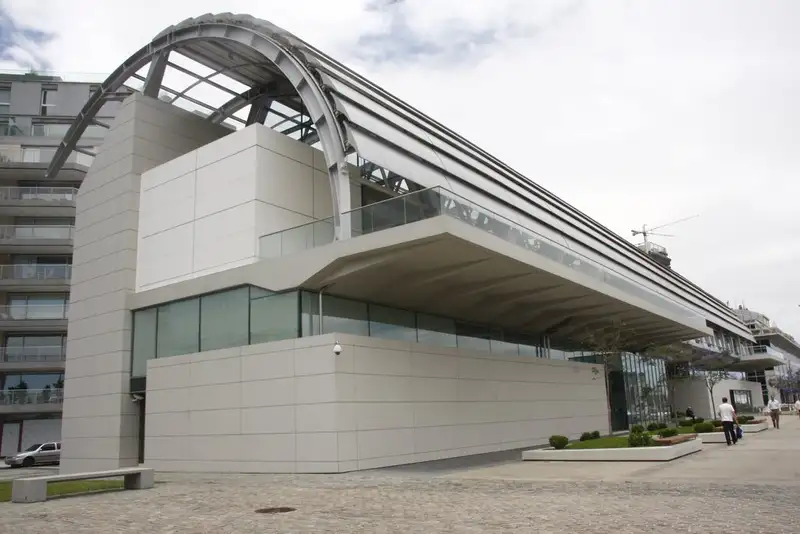
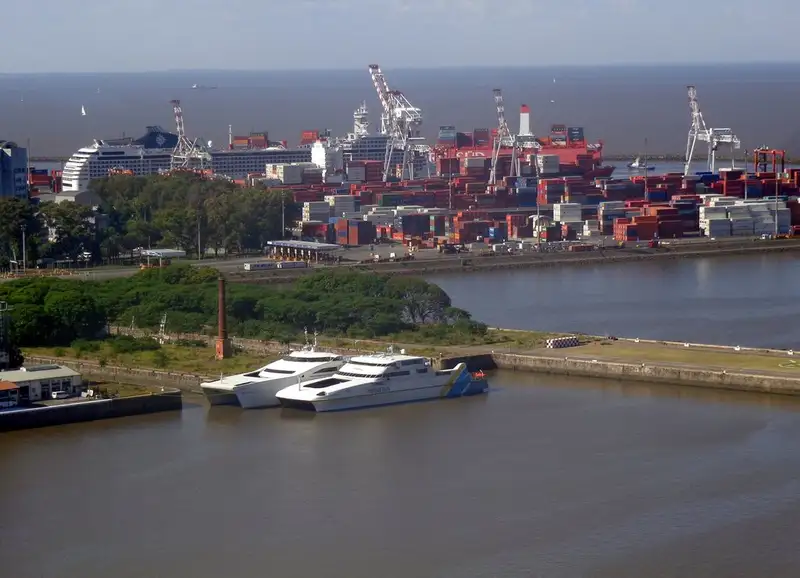
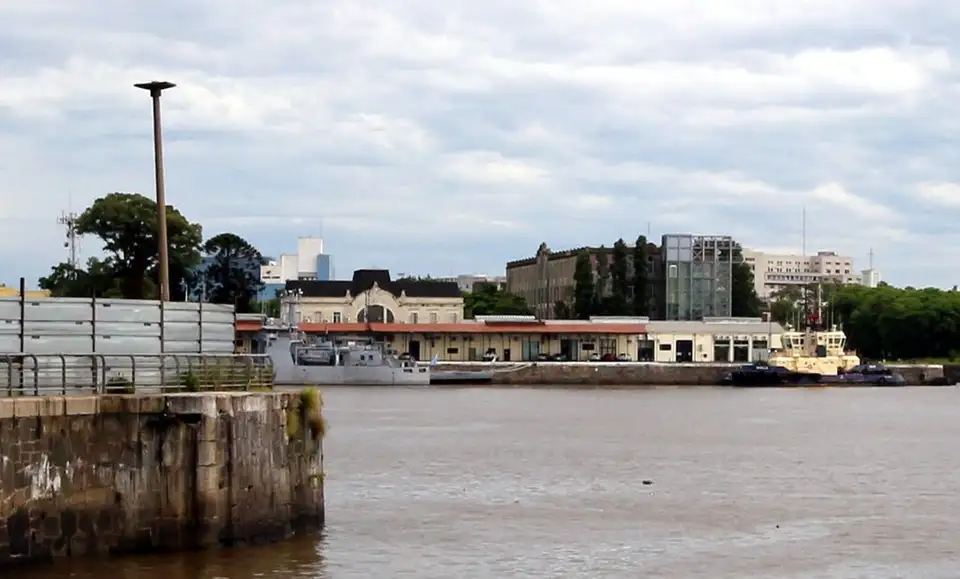
The Museo de la Inmigración occupies a strategic area of Buenos Aires, near the port and with direct views of the Río de la Plata. This space functions as a meeting point between the past and present of Argentine identity, making it possible to understand how diverse migratory flows shaped the country’s social and cultural fabric. Its location, in the vicinity of the Buquebus terminal and the Dirección Nacional de Migraciones, gives it a symbolic connection to the point of arrival for so many travelers who, generation after generation, sought a new beginning on these shores.
Memory and family roots
The core historical value of this museum lies in its ability to connect visitors with their own ancestors. One of its most distinctive features is a database that allows users to trace information about immigrant relatives; by searching by first name, surname, and year of arrival, it is possible to identify the ship that carried one’s forebears into the port of Buenos Aires, and even receive an arrival certificate. This component transforms the visit into a personal and emotional experience, where national history intertwines with individual genealogy.
The tour through the galleries offers a detailed look at the successive waves of migration that defined the territory. The content invites reflection on cultural heritage and the processes of integration that shaped porteño and Argentine society. The arrangement of the exhibitions allows visitors to move through different narratives, supported by guides that delve into the life stories of those who came to the country.
The tour and its surroundings
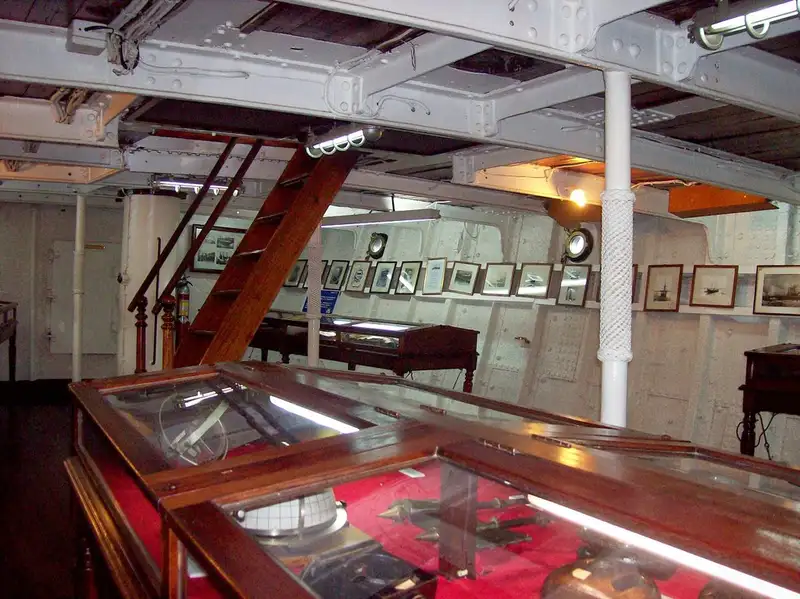
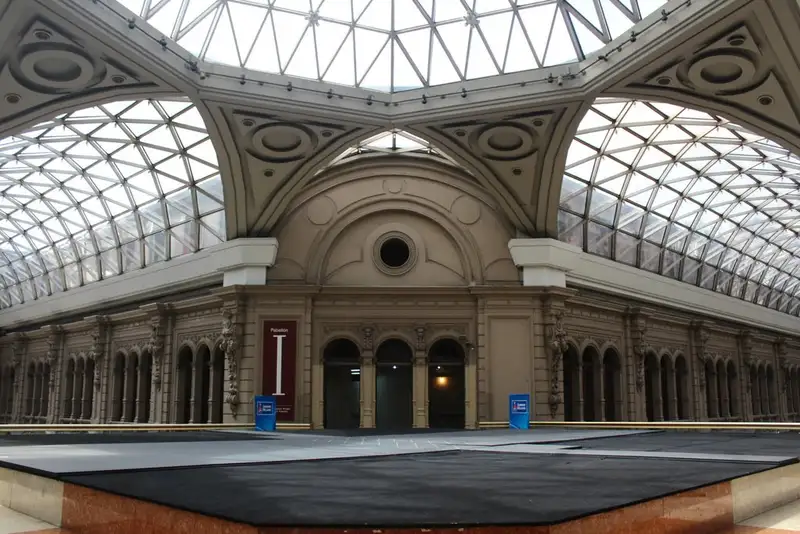
The experience inside the museum unfolds primarily on its upper floors, where the main exhibition occupies the third floor. In this space, the tour is typically accompanied by detailed explanations that help contextualize migratory movements and their impact on the region’s cultural development. In addition to the thematic galleries, the museum has a bookshop dedicated to immigration-related topics, allowing visitors to extend the knowledge gained during their visit into further research or personal interest.
The museum’s immediate surroundings also form part of the experience, as its proximity to the river provides a geographical frame that refers directly to historic maritime routes. The integration of this riverine landscape with the museum’s content reinforces the sense of a place that does not merely display objects or documents, but inhabits the very physical space through which the human flows that are now part of the national heritage once passed.