Muntref Centro de Arte Contemporáneo
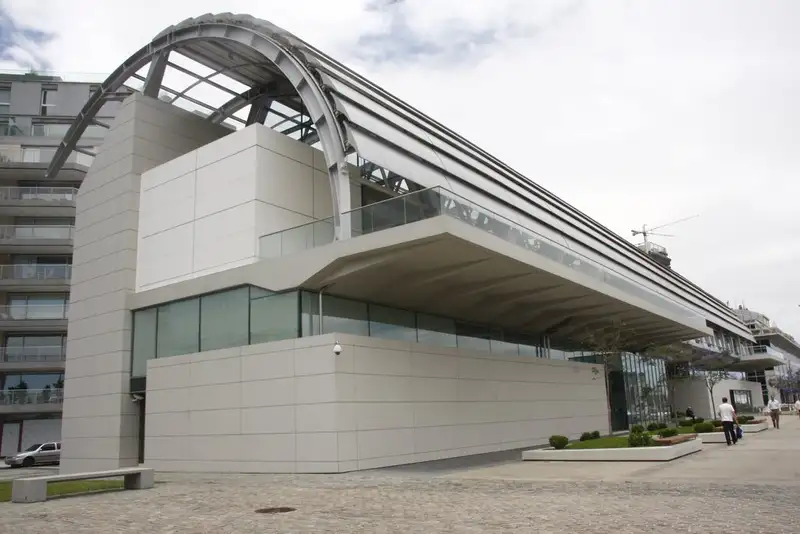
The Muntref Centro de Arte Contemporáneo functions as a node of reflection and visual experimentation in a key area of the City of Buenos Aires. Located on the boundary between the Retiro and Puerto Madero neighborhoods, this space is physically integrated into the building that also houses the Museo de la Inmigración. Its program is not limited to passive exhibition; instead, it is grounded in the creation of site-specific works, where research and dialogue between artists and curators seek to generate questions in the audience through direct interventions on the space.
Artistic Proposal and Research
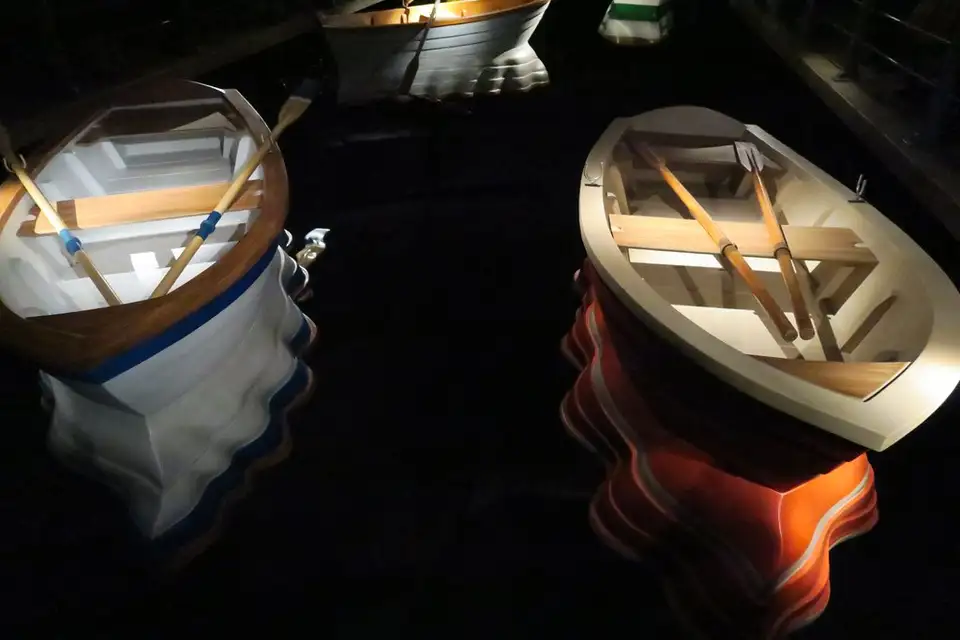
The center’s identity is shaped by a curatorial approach that prioritizes processes of inquiry. The exhibitions presented are typically the result of in-depth work that uses the environment to construct meaning. Throughout its history, Muntref has hosted interventions by internationally significant artists, including the French artist Christian Boltanski — whose work in this space drew large crowds — the Italian Rosa Barba, and the German Hito Steyerl. These exhibitions do not merely occupy the rooms; they transform the perception of the building through proposals that challenge the traditional gaze of the viewer.
Context and Port Surroundings
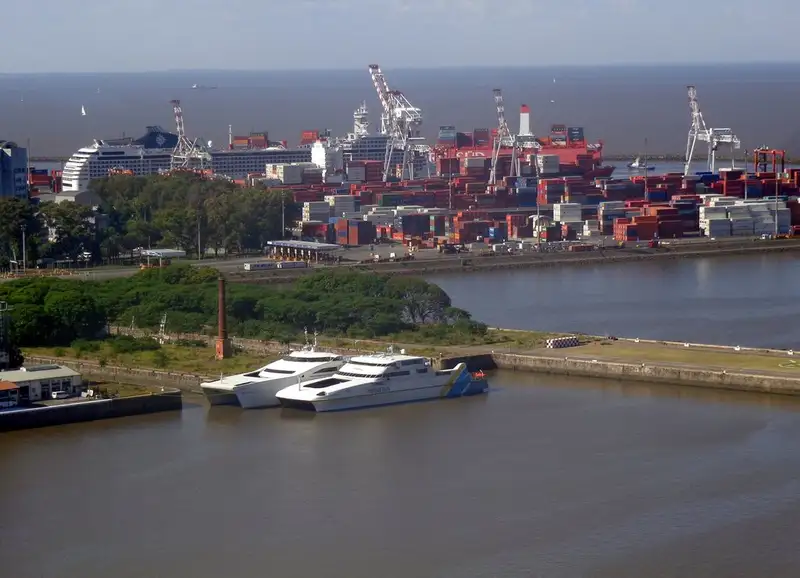
The center sits at a point of logistical and cultural convergence in the city, specifically on Avenida Antártida Argentina. Its location is strategic, positioned between transport terminals and access points to the Puerto Madero area, near the Dirección Nacional de Migraciones and the Buquebus ferry terminal. This insertion into an environment of constant transit and strong historical weight tied to the arrival of immigrants reinforces the character of the center, which uses its own architecture to connect the narratives of the past with the most current visual expressions.
Moving Through the Space
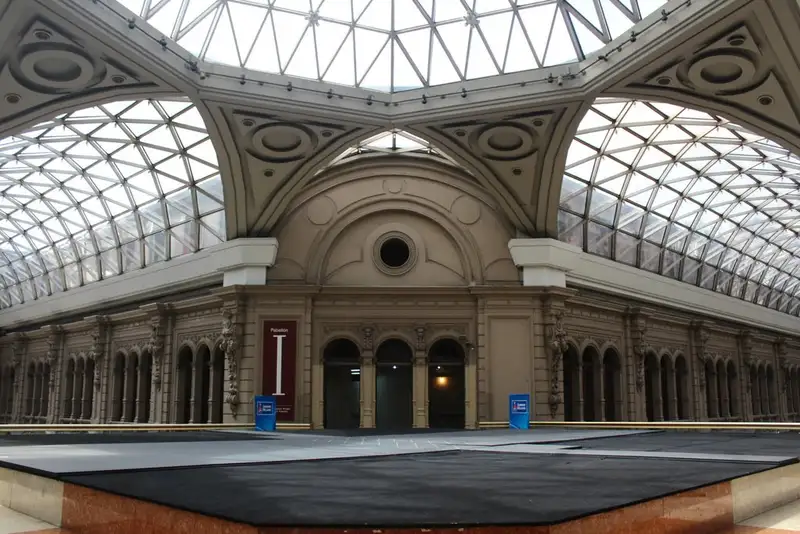
Visiting Muntref means moving through a space where architecture and contemporary art intertwine. By sharing its structure with other cultural centers in the area, the experience becomes part of a circuit that allows one to observe how art can engage in dialogue with the institutional memory of the building. The curatorial proposals are designed so that each exhibition is an opportunity to encounter complex artistic processes, where the scale of the works and their relationship to the building’s walls and light invite detailed and reflective observation.