Plaza Alemania
A green node in the fabric of Recoleta
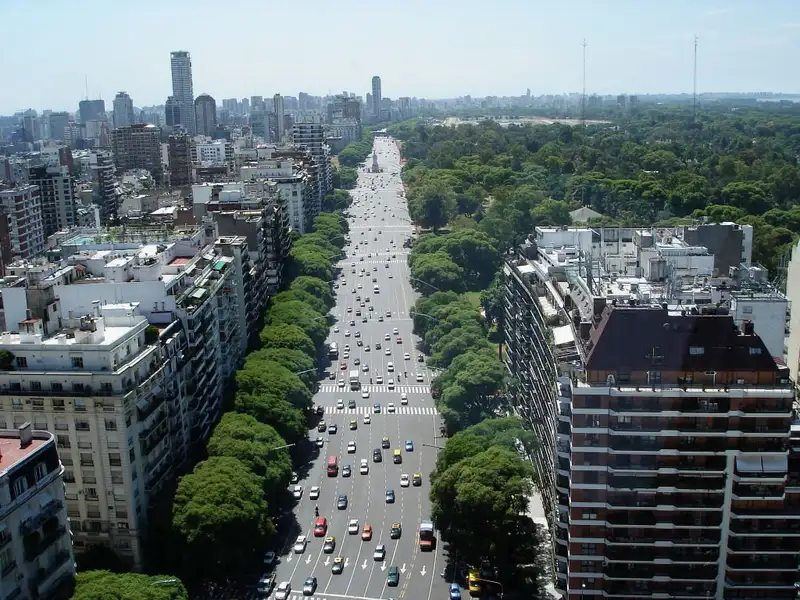
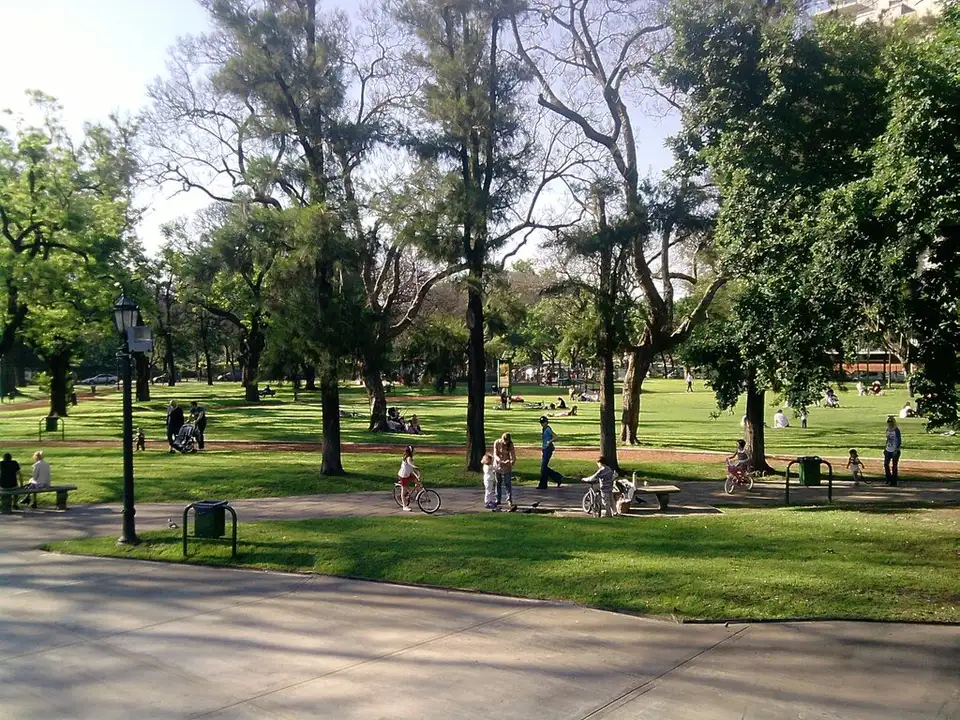
Plaza Alemania is woven into the network of green spaces that define Recoleta’s identity. Situated in an area where historic architecture coexists with the urban planning of parks, the square functions as a pause point along the route through the neighbourhood’s monuments and tree-lined areas. Its significance lies in belonging to a circuit of squares that, together with nearby spaces such as Plaza Mitre and Plaza Francia, forms a network of green lungs through which the scale and design of this part of Buenos Aires can be understood.
The surroundings are characterised by a calm atmosphere typical of high-density residential neighbourhoods with abundant vegetation. The square is not an isolated element; it connects with the logic of cultural itineraries that cross the area, allowing movement between landmarks such as the Eco Parque and the squares dedicated to other nations, reinforcing the international and cosmopolitan character of the district.
Moving through the public spaces
Exploring this sector means walking a layout of interconnected parks. Plaza Alemania offers a human-scale experience, where the vegetation and path design encourage an unhurried pace. As part of an itinerary that includes other notable points such as Plaza de la República de Chile and Plaza de la República de Italia, the visitor can follow a progression of urban landscapes that vary according to the arrangement of trees and proximity to historic monuments.
A visit to this space is usually incorporated into longer walks through the surroundings of Recoleta. Moving through the area allows one to observe how the design of the squares aims to provide shelter and shade, creating microclimates within the city. Well-maintained green areas facilitate fluid movement between the neighbourhood’s various points of interest, from iconic monuments to quieter corners.
Context and urban surroundings
The square sits in a context where architectural heritage takes centre stage. Around this green space, Recoleta’s urban fabric displays its historical richness, with buildings that evoke the city’s golden era. The connection with other landmarks — such as the Floralis Genérica or the palaces along Avenida Alvear — makes Plaza Alemania an essential component for understanding the territorial organisation of the neighbourhood.
This public space contributes to the continuity of the urban landscape, acting as a link in a chain of parks and thematic squares. Its integration with the surrounding green spaces — such as Parque Thays and the squares in the Barrio Norte area — consolidates a territorial identity grounded in the importance of public and natural space within one of Buenos Aires’s most emblematic districts.