Museo Nacional Ferroviario Raúl Scalabrini Ortiz
Located in the heart of Buenos Aires, the Museo Nacional Ferroviario Raúl Scalabrini Ortiz stands as a material record of the golden age of railways in Argentina. The space preserves more than 160 years of railway heritage, offering insight into the technological and social evolution that the rail network brought to the country’s development. Through its collection, visitors can follow the transition from the earliest steam engines to the consolidation of a network that connected the most remote points of the national territory.
Heritage on rails
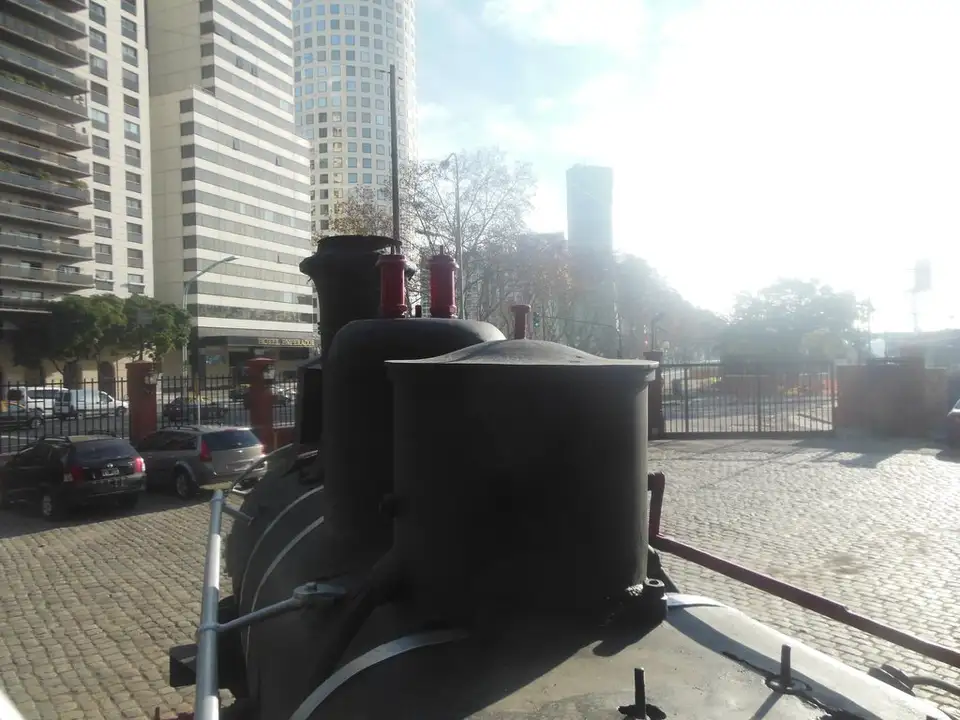
The main exhibition is distinguished by large-scale pieces that illustrate railway engineering across different eras. Among the most significant items are the broad-gauge steam locomotive known as “Patria,” built in 1896, and a 1919 Hunslet unit belonging to the Ferrocarril Económico Correntino. The tour also includes Presidential Coach OF1, a carriage that carried Pope John Paul II to the Basílica de Luján during his 1982 visit, as well as wooden presidential coaches built in the early twentieth century.
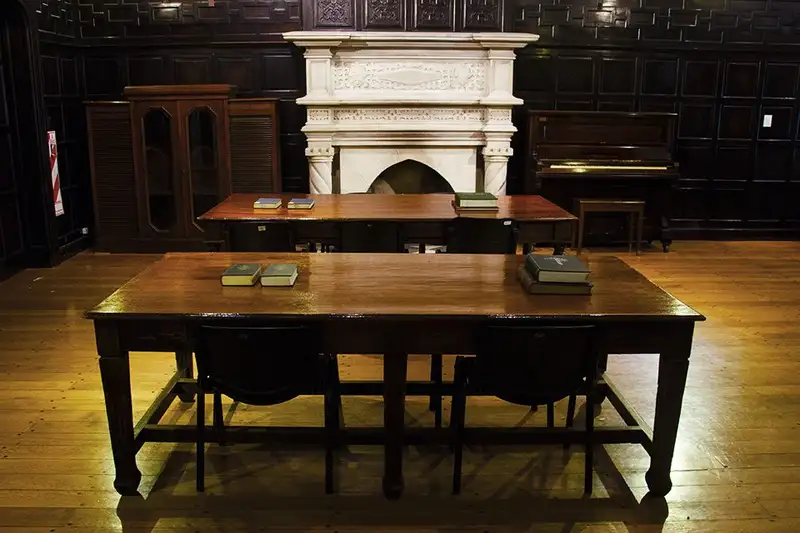
Beyond the large machines, the museum holds a range of technical artefacts that detail the day-to-day workings of stations and workshops. The collection includes telecommunications equipment — telegraphs, antique telephones, clocks, and signalling systems — alongside everyday objects such as locks, date-stamps, tickets, and original furniture from former railway offices. These items allow visitors to reconstruct the atmosphere of stations of the past and the operation of control and logistics processes.
Memory and railway technique
The space underwent a full renovation between 2017 and 2019, modernising the main hall and adding a mezzanine level that improves circulation and sightlines for the exhibits. This layout allows locomotives and scale models — which complement the site’s narrative — to be viewed from multiple angles. The presence of items such as railway velocipedes and other technical maintenance devices adds a layer of detail about track inspection work in earlier times.
The museum fits into the city’s cultural landscape as a point of reference for those seeking to understand Argentina’s industrial identity. By displaying objects that witnessed milestones such as the signing of the railway nationalisation in 1948, the venue goes beyond purely technical exhibition to become a space of historical memory concerning the country’s infrastructure and development.