National Museum of Fine Arts
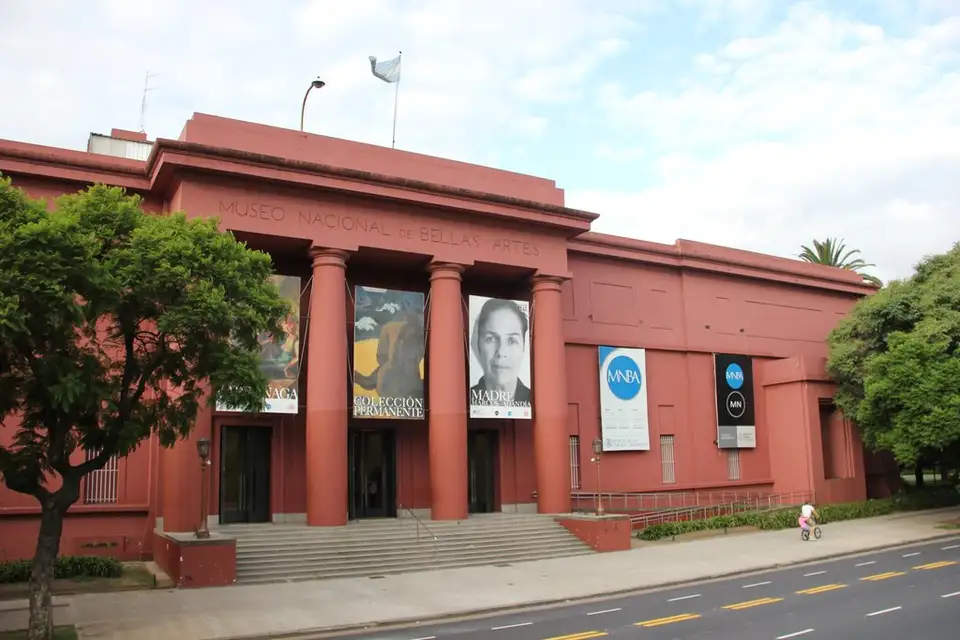
Located in the heart of Recoleta, on Avenida del Libertador, the National Museum of Fine Arts stands as the foundational nucleus of Argentina’s visual heritage. It is not merely a cultural institution; it is the repository where the country’s aesthetic history converses with the great milestones of universal art. Its importance lies in its capacity to house, under one roof, a narrative that connects local productions with the most influential currents of the European tradition.
A Journey Through Art History
The experience inside the museum is defined by the scale and diversity of its galleries. The itinerary allows visitors to move from works by international masters such as Goya, Rembrandt, Van Gogh, Roden, Manet, and Chagall, to a deeper exploration of the development of Argentine artistic identity. The collection, which numbers over 13,000 pieces, is structured to offer both a panoramic overview and a detailed analysis of specific periods. Visitors can opt for a quick approach to the most recognized highlights or dedicate time to exploring the sections devoted to modern and contemporary art, where national production takes on a central role.
The building’s architecture also adds a layer of meaning to the visit. The current structure, which occupies what was once a former pumping house built around 1900, offers a physical setting that contrasts the solidity of its industrial past with the delicacy of the works it holds. This contrast between the container and the contained is an essential part of the atmosphere one breathes while walking through its galleries.
Context and Cultural Relevance
The museum functions as a meeting point within the urban fabric of Buenos Aires, integrating naturally with the Recoleta neighborhood. Its presence in this district is not coincidental; it is situated in an area where culture and history intertwine, allowing the visit to become part of a broader itinerary through the city. As one of the most important museums in Latin America, its relevance extends beyond local boundaries, positioning Buenos Aires as a key node for the study of universal art.
The importance of this space lies in its role of preservation and dissemination. Through its galleries, one can observe the evolution of techniques and styles that have shaped the eye of generations. The capacity to integrate large-scale works with the minute details of artists from different centuries makes the museum a space of continuous learning, where the national heritage is placed in perspective against the great artistic movements of the world.