Palacio Legislativo de Buenos Aires
The Palacio Legislativo is the seat of the Legislative Branch of the Autonomous City of Buenos Aires. Located in the Monserrat neighborhood, this building serves not only as the center of the city’s legislative activity — where laws and resolutions are enacted to guarantee citizens’ rights — but also as a fundamental pillar of the city’s historical and cultural heritage. Its significance lies both in its current political function and in its symbolic value within the autonomous structure of Buenos Aires, consolidated following the constitutional reform of 1994.
Architecture and heritage value
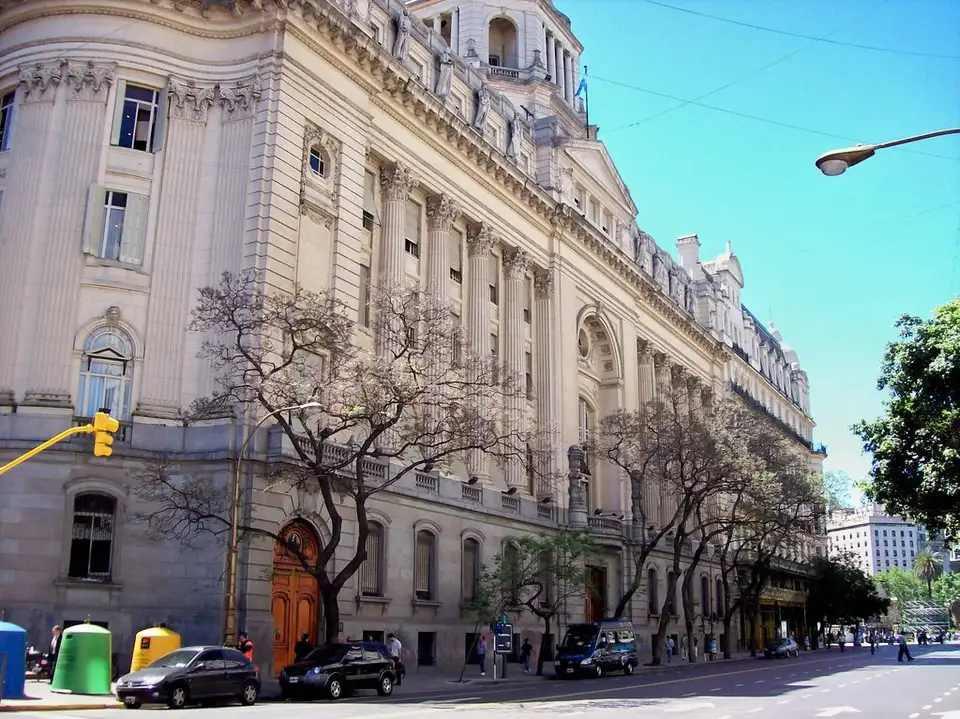
Designed in 1931 by architect Héctor Ayerza, the building is a notable example of neoclassical architecture. Its imposing facade is characterized by the use of Corinthian columns and is crowned by a majestic dome that stands out against the urban skyline of the microcentro. Due to its aesthetic relevance and its place in the collective memory, the Palacio was declared a National Historic Monument and also forms part of the Historical and Cultural Heritage of the City.
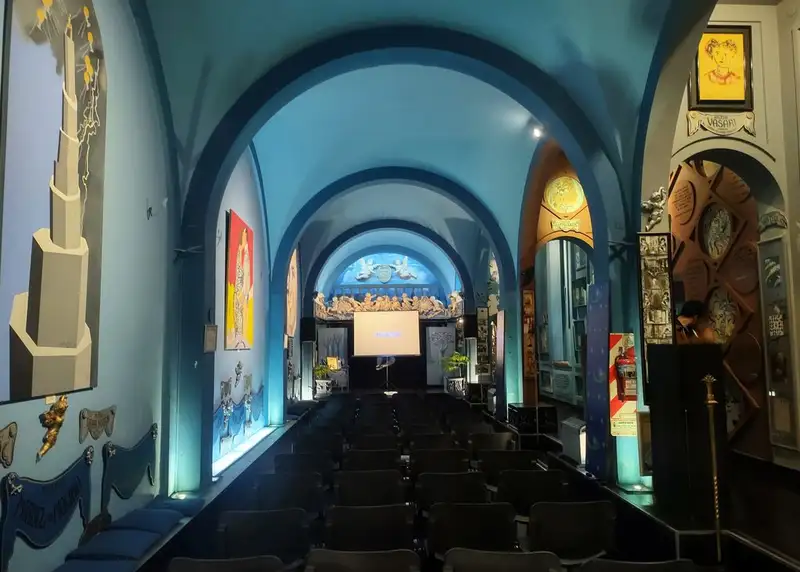
The building’s interior offers a tour through spaces of considerable opulence. Among its most notable elements are a main staircase that impresses by its scale, colorful stained-glass windows that filter natural light, and detailed frescoes that narrate episodes from Argentine history. These details make the palace a space where art and politics intertwine through monumental decoration.
Surroundings and urban context
The Palacio stands in a strategic location within the historic center, bounded by Hipólito Yrigoyen, Diagonal Julio A. Roca (known as Diagonal Sur), and Perú streets. Its position is key to understanding the dynamics of Monserrat, as it sits in the vicinity of Plaza de Mayo and is surrounded by other emblematic buildings.
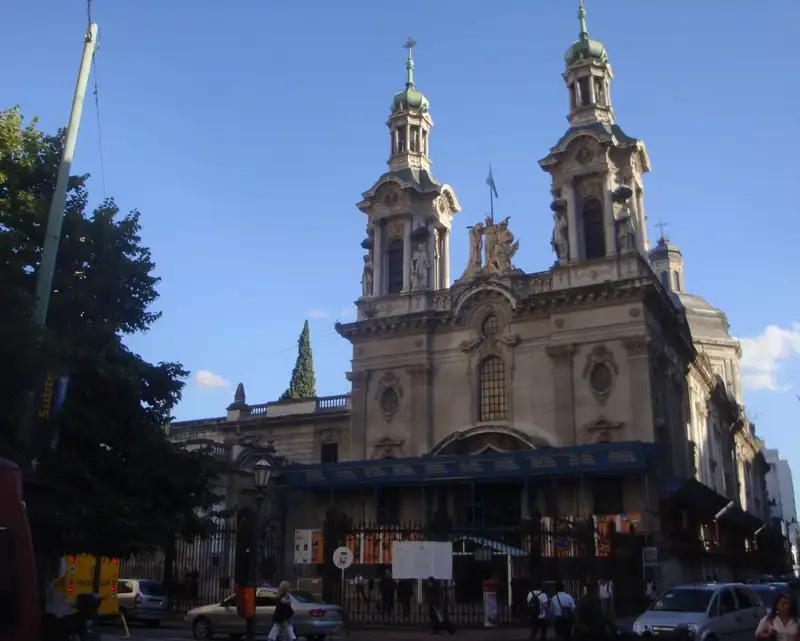
In its immediate surroundings, the building coexists with urban landmarks such as the Hotel Intercontinental and the church of San Juan Bautista, located at the intersection of Alsina and Piedras. This proximity to other centers of power and worship defines an urban landscape in which the institutional and religious architecture of the early twentieth century remains a defining presence. Walking through this area allows one to observe how the Palacio Legislativo fits into a network of streets connecting the oldest and most significant points of the Argentine capital.