Equestrian Monument to General Manuel Belgrano
Located at the historic epicenter of the City of Buenos Aires, within Plaza de Mayo, the Equestrian Monument to General Manuel Belgrano stands as a fundamental reference point for understanding national identity. This commemorative work is not merely a statue, but a testament to Argentina’s collective memory, situated in the very space that concentrates the country’s principal symbols of political and social power.
Composition and artistic details
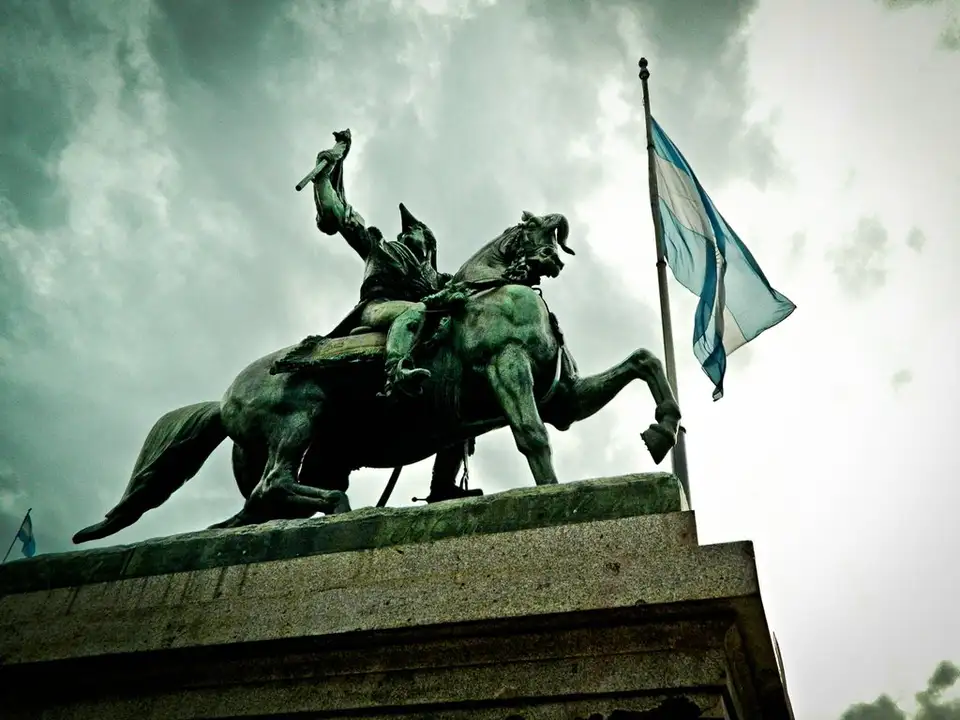
The structure stands out for its materiality and technique. It is a work executed in bronze, resting on an imposing pedestal of polished Rosa del Salto granite. The central figure depicts the statesman Manuel Belgrano mounted on his horse, captured in a moment of great symbolic weight: the general turns on his horse while holding the Argentine flag in his right hand, in a pose that evokes the gesture of administering an oath to the national banner.
The artistic execution is the result of collaboration between two key figures of the era. The portion comprising the figure of the general was designed by French sculptor Albert-Ernest Carrier-Belleuse, while the representation of the horse was carried out by Manuel de Santa Coloma, an Argentine artist who developed much of his career in France. This combination of European talent and local roots lends the monument a classical aesthetic characteristic of the late nineteenth century.
History and urban context
The inauguration of this monument took place on 24 September 1873, a date that coincides with the anniversary of the Battle of Tucumán. A notable detail about its origins is that its construction was made possible through “public gratitude” — meaning the work was financed through voluntary contributions from the population, reflecting the citizenry’s commitment to the statesman’s legacy.
Over the decades, the monument underwent changes in its orientation to better integrate with the urban surroundings. During the government of Marcelo Torcuato de Alvear, the granite base was raised and the piece was rotated. This adjustment was strategic: the aim was to ensure that the general’s gaze was directed not toward the Cabildo, but toward the north, thus preventing his back from facing the Casa Rosada and maintaining a more harmonious visual relationship with the surrounding buildings.
The Plaza de Mayo setting
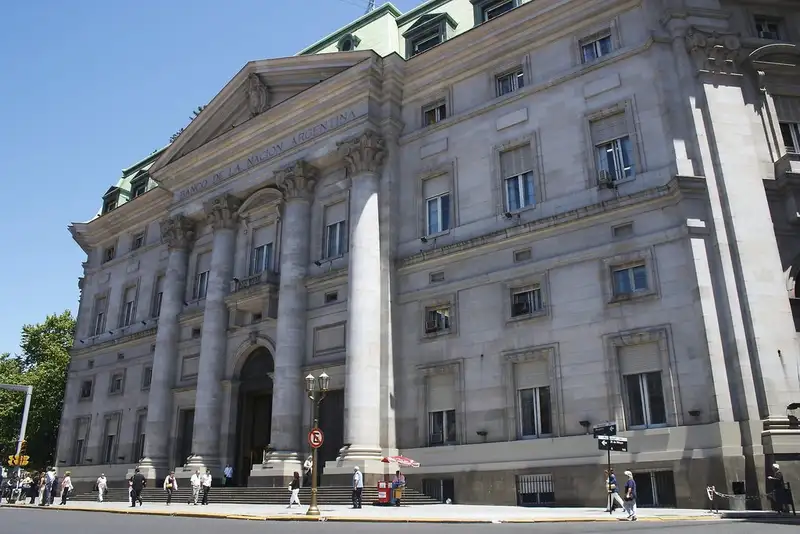
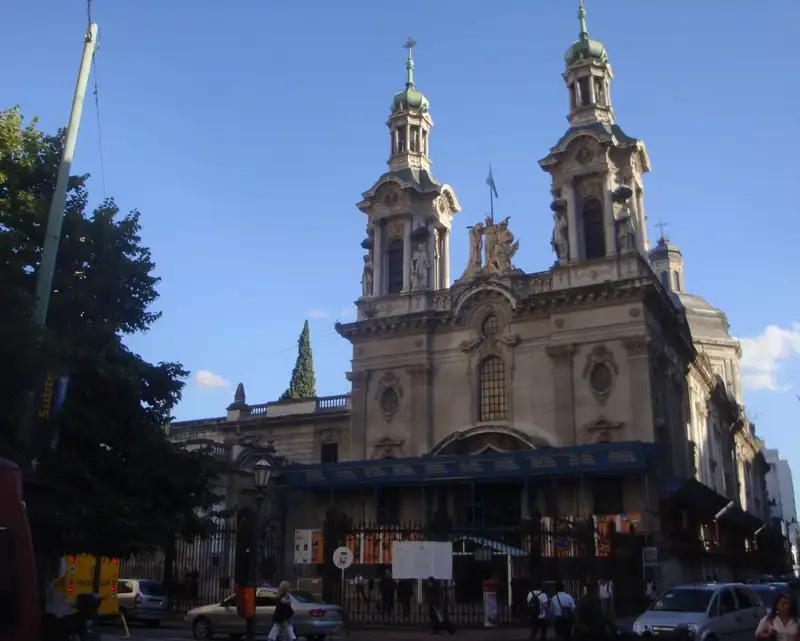
The monument is set within a territorial context of enormous historical significance. Plaza de Mayo, bounded by streets such as Rivadavia, Balcarce, and Bolívar, functions as Argentina’s political nucleus. Surrounded by landmark buildings such as the Catedral Metropolitana and the Cabildo, the Belgrano statue forms part of a landscape that has witnessed urban transformations from the founding plans of the sixteenth century to the most significant social movements of the modern era. Its presence in this space connects it directly to the history of the struggles for independence and the institutional evolution of the nation.