Mausoleum of General José de San Martín
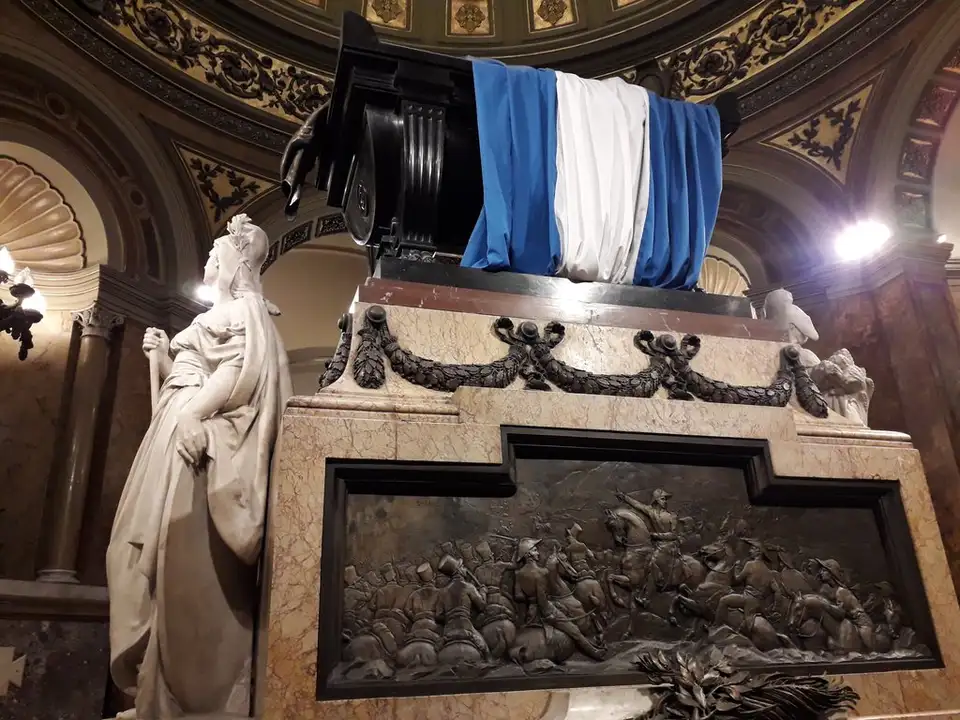
Located in the heart of the Monserrat neighborhood, the Mausoleum of General José de San Martín stands as one of the most symbolically and historically significant points in the City of Buenos Aires. It is not an isolated monument, but a space of memory integrated directly into the structure of the Metropolitan Cathedral. This site serves as the final resting place of the Liberator, establishing the cathedral not only as a religious center but as a fundamental node for understanding the political and social history of the region.
A space of historical memory
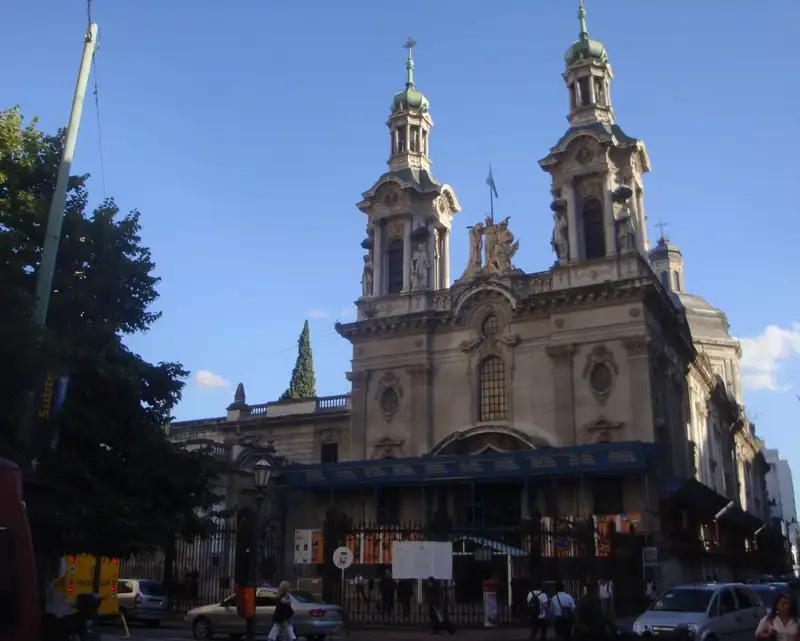
The mausoleum is housed within the Metropolitan Cathedral, in a location that connects the legacy of the national hero with the city’s sacred architecture. The significance of this site lies in its capacity to give physical, tangible form to the figure of San Martín. Situated in the Reconquista area, at the heart of the historic center, the mausoleum is directly linked to Buenos Aires’s foundational urban layout, allowing visitors to move through a space where the history of the independence struggles intertwines with the daily life of the old city center.
A visit to the mausoleum involves moving through the interior spaces of the cathedral, where the sobriety of the surroundings matches the solemnity of the place. The character of the site is one of respect and contemplation, removed from the commercial activity of the downtown area. The arrangement of the monument invites careful observation of its constituent elements, offering a sense of the enduring relevance of the General’s figure to national identity within this architectural enclave.
Context in the historic center
The presence of this mausoleum shapes much of the cultural experience in Monserrat. Integrated with the Cathedral, the site prompts reflection on the relationship between institutional power and national symbols. The immediate surroundings, characterized by emblematic streets of the downtown area, envelop this point of interest in an atmosphere of historical permanence. Its strategic location makes it a reference point for those moving through the main thoroughfares of the central zone.
This space does not function as an isolated attraction, but as part of an urban fabric where memory and religious architecture coexist. The scale of the monument and its integration into the cathedral building offer a distinctive perspective on how historical heritage is preserved in the oldest urban cores of the Argentine capital.