Iglesia de San Ignacio de Loyola
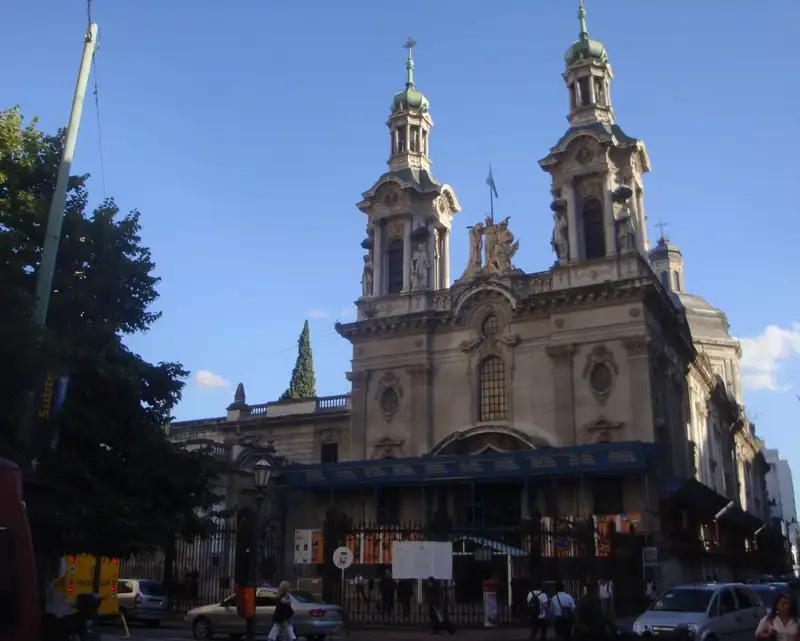
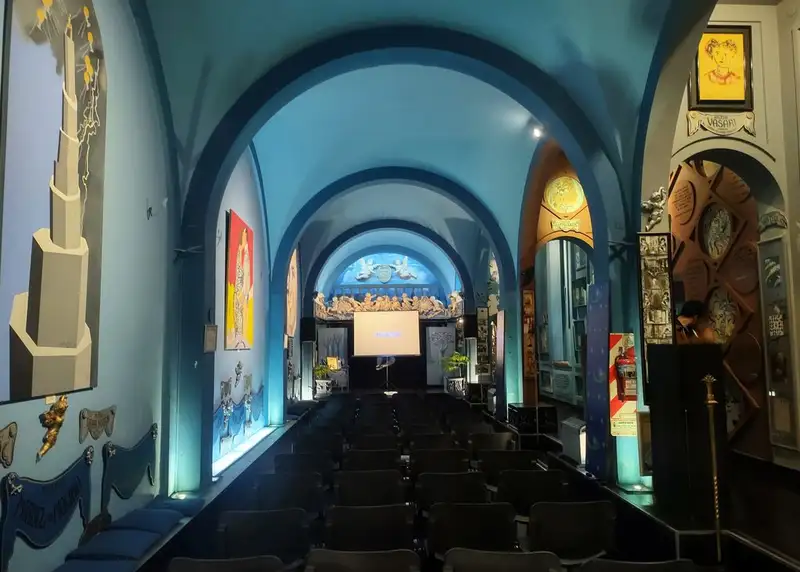
Located in the heart of the Monserrat neighborhood, the Iglesia de San Ignacio de Loyola is the oldest building still standing in the City of Buenos Aires. It forms an integral part of the Manzana de las Luces, an architectural and cultural complex that served as the intellectual center of the region for centuries. Its position at the corner of Bolívar and Alsina streets marks a direct point of contact with the city’s colonial origins, representing a material transition from the earliest adobe and reed structures to more permanent brick construction.
Architecture and construction history
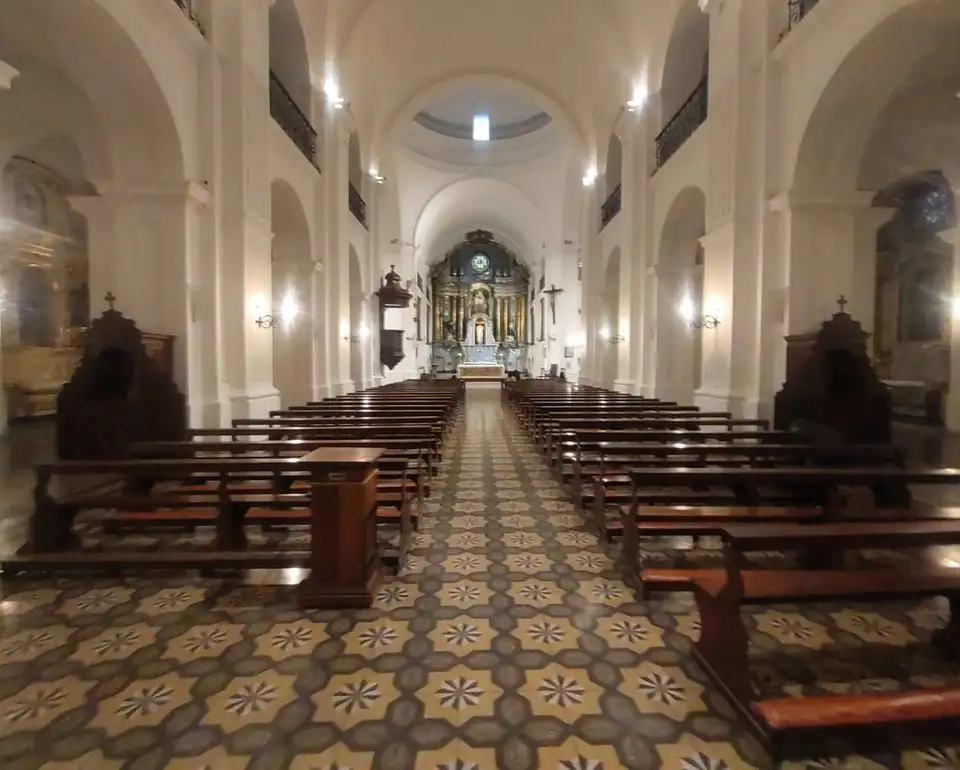
The church is the result of a building process that unfolded over several decades between the late seventeenth and early eighteenth centuries. Although earlier structures of precarious materials had existed on the site, the current building began to take shape around 1686, driven by the local production of the first bricks made by the Jesuits themselves. The original design, entrusted to Jesuit architect Juan Krauss, drew on the church of the Gesù in Rome, establishing a Jesuit Renaissance style expressed in its floor plan and spatial organization.
The facade presents a notable temporal asymmetry: while the southern tower dates from the eighteenth century, the northern tower was completed only in the nineteenth century by engineer Senillosa, and even incorporates a clock that had belonged to the Cabildo. This layering of periods is further reflected in a facade that combines several styles, with German Baroque elements among the most prominent. Inside, the nave is covered by a barrel vault and flanked by five side chapels. An architectural feature uncommon in Buenos Aires at that time is the presence of arcades supporting an upper gallery — a detail that gives the space a distinctive scale and structural complexity.
A center of memory and culture
Beyond its religious significance, the building has functioned as a node of social and political transformation. Following the expulsion of the Society of Jesus in 1767, its walls housed institutions fundamental to the formation of the country, including the School of Medicine, the National Library, and the University of Buenos Aires. During critical periods in Argentine history — such as the British invasions of 1806 and the subsequent resistance — the church also served military purposes as a barracks.
Its importance extends to civic life as well, having been the site of decisive open town council meetings during the years of independence. Today, the church endures as a physical record of the rise of Enlightenment thought in the area, connecting present-day Monserrat to the colonial and republican past of the city.