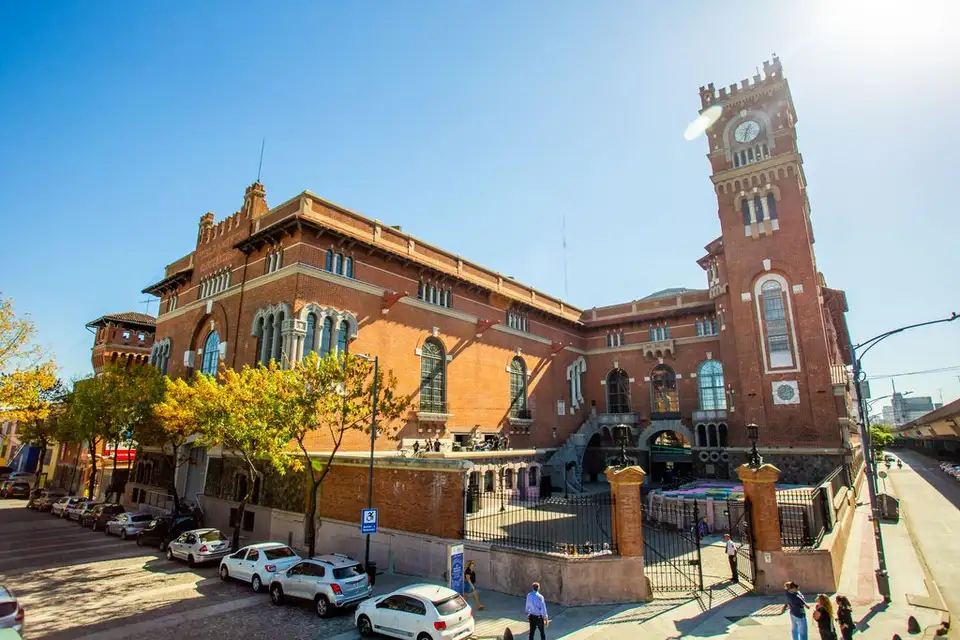
Usina del Arte
Located in the heart of La Boca, the Usina del Arte operates as an interdisciplinary cultural center bringing together diverse artistic expressions. The building, part of the former “Don Pedro de Mendoza” power plant, stands out for its scale and its capacity to host avant-garde programming in music, dance, and other disciplines. Its presence in the neighborhood adds a dimension of modernity and renewal to the historical surroundings of the southeastern corner of Buenos Aires.
Architecture and industrial history
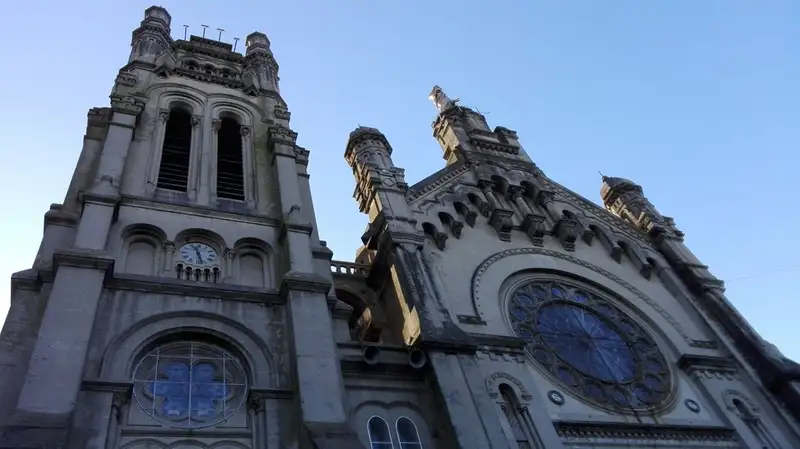
The building is a testament to the urban transformation of the area. Originally constructed between 1912 and 1916, its architecture presents an eclectic style with influences from Florentine neo-Renaissance. The original structure underwent a major renovation carried out between 2007 and 2013, which made it possible to adapt the former industrial infrastructure to the needs of a contemporary cultural center. Spanning approximately 15,000 square meters, the space preserves the monumentality characteristic of historic power plants, while offering an architectural resolution that invites gathering.
A space for contemporary culture
The center’s programming is defined by its interdisciplinary character. It features different halls designed for various types of exhibitions and performances, allowing music, dance, and other visual arts to coexist. As a space dedicated to avant-garde expression, the Usina acts as a node where contemporary culture meets the historical heritage of the neighborhood. The layout of its halls creates pathways that connect the building’s industrial memory with current artistic activity.
Context in the La Boca neighborhood
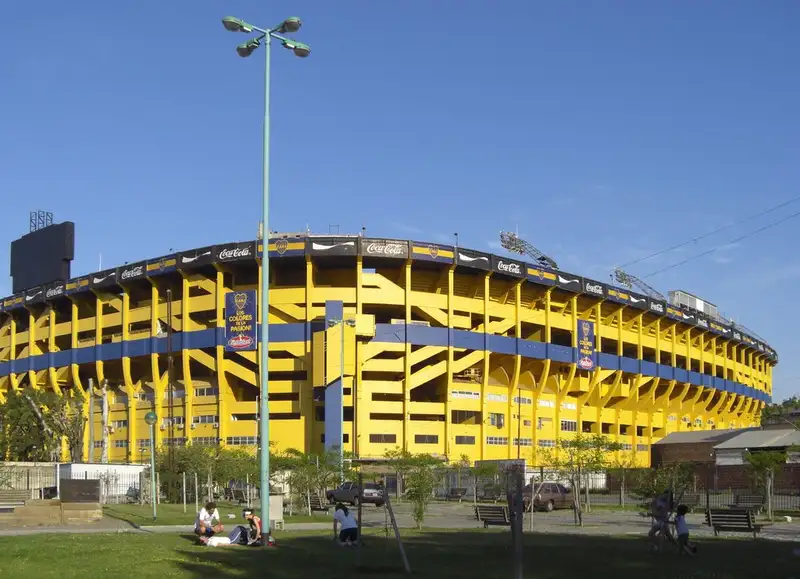
The Usina del Arte sits within an environment shaped by the identity of La Boca, a part of the city deeply tied to the mythology of tango and football. Its location near landmarks such as Caminito and the Riachuelo area allows visitors to incorporate a high-caliber cultural offering into a tour of the most traditional and picturesque sectors of the southern city. The building functions not only as an events venue, but as a key element in the cultural landscape of this part of Buenos Aires.