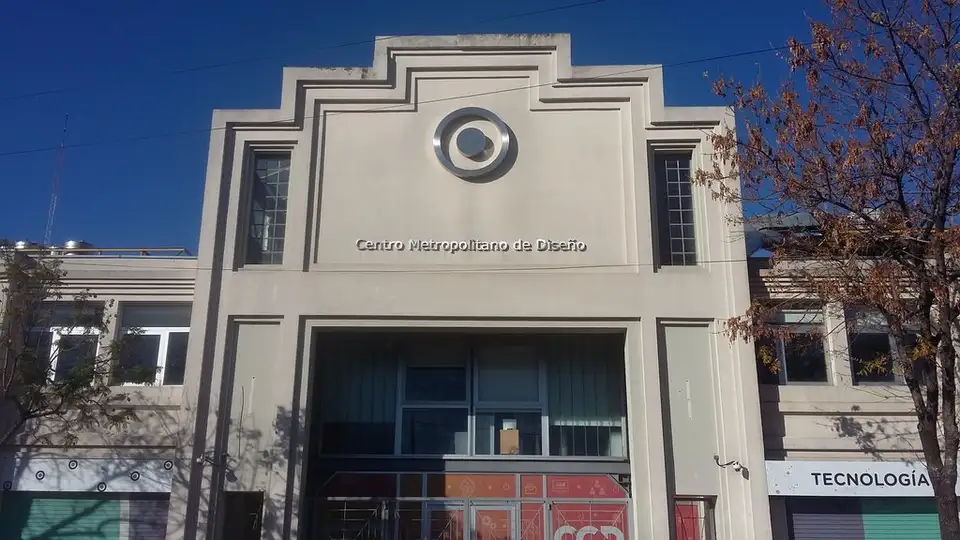
Centro Metropolitano de Diseño
The Centro Metropolitano de Diseño (CMD) operates as a strategic hub for culture and creative production in the City of Buenos Aires. Located in the Barracas neighborhood, this government body has established itself as a reference point for design in Latin America, promoting the work of professionals and entrepreneurs through innovation and knowledge exchange. Its significance lies not only in its institutional role, but in its capacity to integrate creative economies with local productive development.
Architecture and history of the space
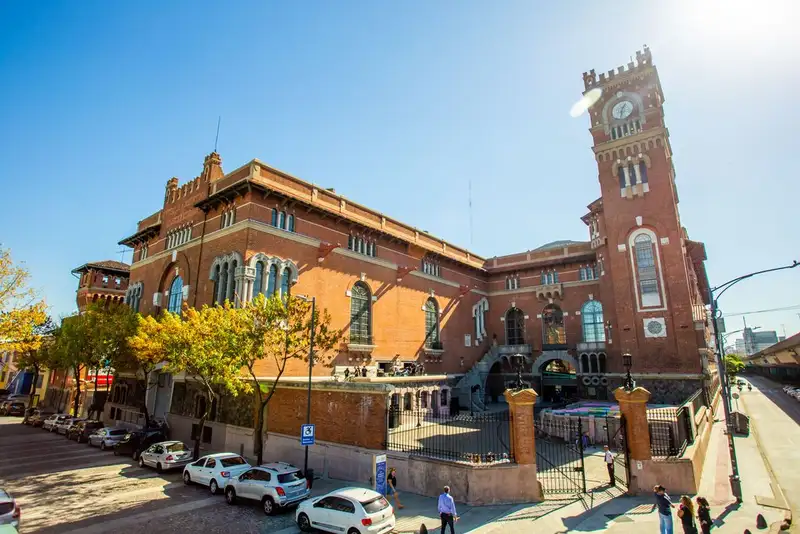
The building that houses the CMD carries considerable historical and architectural weight. Since 2010, the institution has occupied a 14,000-square-meter space that previously served as the Mercado del Pescado. This structure, which operated as a market from 1934 to 1983 — the year it was relocated to the Mercado Central — has been repurposed to put design at the service of culture and productive development.
The architectural approach achieves a balance between the contemporary and the historic. Moving through the facilities, visitors can see an internal cobblestone street that preserves the style of the former market, maintaining the memory of the place while integrating with the new training and work functions. This monumental scale allows the space to function as a conducive environment for exchange among the sector’s various stakeholders.
An engine of creative economies
The center’s purpose is articulated through pillars aimed at strengthening the work of designers, managers, academics, and business owners. The institutional effort focuses on research, outreach, and internationalization, supporting both local entrepreneurs and companies with growth potential. Through tools such as workshops, seminars, and trade schools, the CMD fosters an ecosystem where innovation is the central axis.
The space acts as a meeting platform for those looking to develop projects linked to design in the City. By integrating training processes with the promotion of private and public initiatives, the center becomes an engine that drives the competitiveness of the creative sector within an urban context seeking to position itself as a trend-setter.